

What is Considered a Fixture When Selling a House?
- Published on
- 9 min read
-
 Jennifer Schmidt, Contributing AuthorClose
Jennifer Schmidt Contributing Author
Jennifer Schmidt, Contributing AuthorClose
Jennifer Schmidt Contributing AuthorJennifer Schmidt is a freelance writer based in Vancouver, Washington, who specializes in real estate, human resources, and technology. When not writing, you’ll find her scanning real estate listings for the latest housing trends and decorating ideas.
-
 Richard Haddad, Executive EditorClose
Richard Haddad Executive Editor
Richard Haddad, Executive EditorClose
Richard Haddad Executive EditorRichard Haddad is the executive editor of HomeLight.com. He works with an experienced content team that oversees the company’s blog featuring in-depth articles about the home buying and selling process, homeownership news, home care and design tips, and related real estate trends. Previously, he served as an editor and content producer for World Company, Gannett, and Western News & Info, where he also served as news director and director of internet operations.
A dining room chandelier, the crown jewel of your home, convinced potential buyers to write an offer because they fell in love with it.
Hey, wait a minute!
You’re only selling the house, not the chandelier, and don’t want to leave your treasured heirloom behind. But, if it’s considered a fixture when selling a house, the buyer could be correct in thinking your gem should glisten over their future family dinners.

Get Expert Help Handling Home Fixtures
An experienced agent knows the ins and outs of fixtures, helping you avoid surprises and protect your sale. Don’t leave your home sale to chance. Connect with a trusted agent today and sell with confidence.
We have done extensive research and interviewed top real estate agents, Deana Corrigan from Doylestown, Pennsylvania, and Colleen Toner from Lynn, Massachusetts, about fixtures in the context of a home sale. Corrigan and Toner are both top-rated home sales experts, working with over 75% and 68% more single-family homes than the average agent in their respective areas.
Both agreed to share their expertise in determining what a fixture is, and all the things a seller should know before opening their home to potential buyers.


What is a fixture?
A fixture is typically defined as an object that is physically attached to real property that would require tools to remove it. The way this item is attached is usually with nails, screws, bolts, adhesive, pipes, or cement. A fixture is intended to become part of the property and not easily detached.

For example, a dishwasher that’s built into your kitchen cabinet would be considered a fixture, unlike a portable dishwasher that can simply roll away to your next home when you sell and move. For outdoor landscaping, trees that are physically planted into the ground are considered fixtures, whereas potted plants could be carried out without digging them up.
Sometimes, there are gray areas as to whether an object qualifies as a fixture or not, such as a wall-mounted television. This is because part of the TV bracket is physically mounted to the studs, but the television itself is held by other parts of that bracket extending from the wall.
Corrigan explains, this is why TV brackets will often stay with the house, and the television itself will be removed, unless the seller decides to include both items as part of the sale.
The legal definition and the five tests of a fixture
Legally, a fixture is personal property that becomes part of the real property once it’s attached to the home. How this is determined varies in each state and is usually spelled out in the purchase agreement.
“As a listing agent, we have to prepare a multiple listing service (MLS) informational sheet once the property is on the market. [At that point], all buyers and buyers’ agents assume, or have the understanding, that a fixture is anything that is built in or attached. In our purchase and sales agreement, there’s also a paragraph that specifies fixtures,” Toner explains.
MARIA is an acronym that is often on real estate exams and referenced by many agents in helping to determine if an item is a fixture or not. The five tests below are useful in helping to clarify each situation.
- M – Method of attachment: How is your fixture attached to the property? If tools are needed to attach the item to the property, then it’s typically considered a fixture.
- A – Adaptability: Is the fixture an integral part of the property? For instance, a toilet that is bolted to the floor and not easily removed is expected to stay as part of the house.
- R – Relationship of the parties: What is the relationship of the parties for this transaction? In a buyer-seller relationship, this would usually mean the buyer expects fixtures that are attached to be included in the sale. As opposed to a landlord-tenant relationship, when a tenant installs a shelf, it typically goes with them, and the landlord doesn’t expect it to stay as part of the property.
- I – Intention: When the object was originally attached, was it supposed to be temporary or permanent? If the intention for the item was to be permanent, then it would usually be considered a fixture.
- A – Agreement: Does the buyer and seller state that the object is a fixture in their agreement? If both agree the item is a fixture, then it’s generally considered one.
What are the most common fixture misunderstandings?
Not all fixtures are as obvious as they seem. These common misunderstandings can create confusion for sellers and buyers alike during a transaction:
- Chandeliers: These are attached to the ceiling, but the seller added them after purchasing their home and considers them a personal item.
- Storage sheds: They are attached to the property, but also removed since they’re in the backyard and not inside the house.
- Wood stoves: They’re a freestanding source of heat that was purchased by the seller as an addition to their fireplace.
What are the most common examples of fixtures?
Some items in your home are considered real property because they’re attached to the structure. Knowing these common examples helps sellers set expectations and avoid disputes:
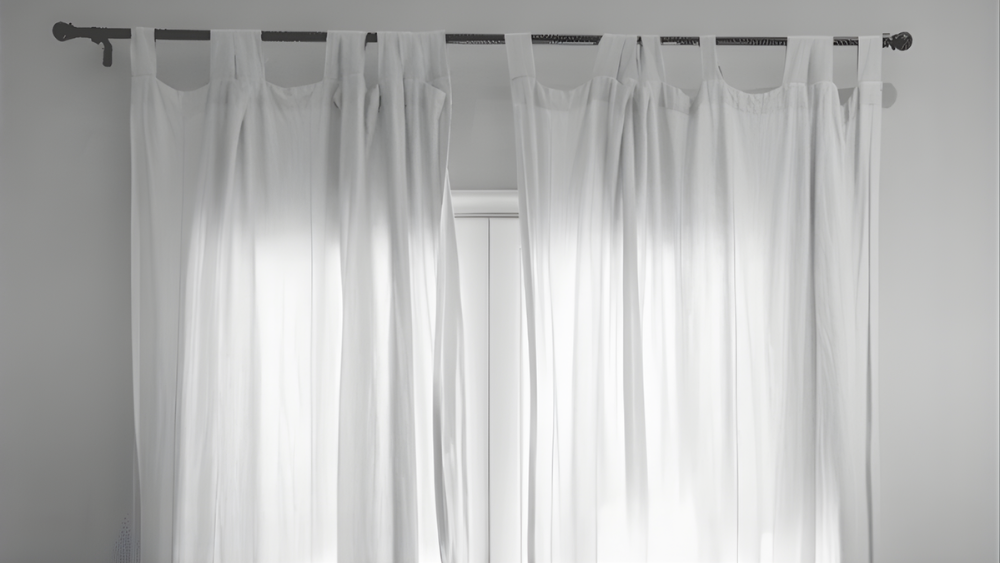
- Curtain rods: attached to the wall
- Light fixtures: wired in and mounted to the ceiling
- Towel racks: affixed to the wall
What things are not considered a fixture?
Not everything in a home is a fixture. Some items remain personal property since they’re unattached. Recognizing these helps you know what you can take when you move:
- Bookshelves: a unit that stands against the wall but isn’t attached to it
- Curtains: the fabric that hangs from the curtain rod and can easily be removed
- Wall-mounted TV: the TV that’s not affixed directly to the wall
What things can go either way? (Attached or unattached)
- Fountains: If the fountain is freestanding, it could be removed. If it’s attached to the ground, then it would usually stay.
- Refrigerator: When a refrigerator is physically built into the kitchen, it typically stays. If it’s a self-contained appliance that can be moved, then it tends to go.
- Security system: If the cameras are affixed directly to the house, they could be considered a fixture. If they’re held in place by brackets, then they could possibly be removed.
What if you want to keep your fixture?
Corrigan says that if a seller wants to keep their chandelier or other item that is considered a fixture, she recommends removing and replacing it with something else prior to putting the house on the market.
“What I basically tell them is anything they want to take that’s attached, take it down now, so no one sees it,” says Corrigan.
By doing this, the buyer won’t be expecting a particular fixture to be part of the sale. Corrigan also cautions sellers not to take everything nailed down and really consider what’s important to them. Because you don’t want to remove all the best features of your house and make it harder to sell.
Also, if you decide to take certain items and it leaves a big hole (e.g., no wood stove and only the ceiling pipe remains), the buyers might hesitate to submit an offer, knowing they have to buy a replacement.


What to consider when removing a fixture
Corrigan explains that if a seller wants to take a particular fixture, it should also be detached with care and not be obvious that it used to be there. Otherwise, the buyer could ask for an entire room to be painted to match the touch-up paint from a TV bracket that was removed.
Think twice before removing something, as it could prompt the buyer to request a replacement due to the damage left behind.
“They’ll take, say, the door knocker off the front door because they like it, and now you’ve got a door that’s got this big hole, and people are like, well, now you have to buy me a new front door.”
Also, while freestanding appliances like refrigerators can usually be removed, stoves are often left behind because some home loans require them to stay with the property.
What’s an exclusion list?
If you don’t want to strap on your tool belt and remove your chandelier before the sale, then Corrigan recommends having an exclusion list as part of your agreement. This list includes every fixture that will be removed from the house, so the buyer knows what stays with the home before making their offer.
In one example, Corrigan explains how a seller removed their $12,000 storage shed before the final walkthrough because they didn’t remember it wasn’t excluded and weren’t supposed to take it.
“Most of them haven’t sold a home in twenty years, and so they don’t know how things have changed. In the old days, this wasn’t such a big deal, but today it is.
“We have seller’s disclosures that we fill out. We have a lot to go through with them, so they do forget when we go through it. A lot of them will say, oh, I didn’t remember that.”
How fixture disputes are settled
When both the buyer and seller are expecting to keep the same item, and the written agreement isn’t followed, that could halt the deal, and negotiations are often done at the table to resolve the issue.
“It gets, you know, ridiculous when you’re talking about a $500,000 home, and they’re arguing over a light fixture. But normally, they’ll figure it out, maybe say, okay, we’ll take a thousand dollars less for the home, and we want to keep that fixture,” says Corrigan.
Sometimes not removing a fixture, such as heating oil, could also be a costly mistake for the seller. In Pennsylvania, whatever fuel is left behind with the house is considered free at the time of settlement. Corrigan explains that even when $1,000 worth of oil is left in a fuel tank, if the seller fails to remove it in time, it becomes the buyer’s oil, and they aren’t legally obligated to reimburse the seller.
Also, sellers can’t randomly decide to leave non-fixtures behind and shouldn’t assume the buyer will want to keep them.
Some sellers think that buyers would really love the blue paint that they had on their dining room wall, or that they could use their rakes that were in the shed. But at the walkthrough, if the buyer does not want those, then the seller is asked to have the cleanup crew come back and remove that or do a credit, and then the buyer takes care of it.
 Colleen Toner Real Estate AgentCloseColleen Toner Real Estate Agent at Toner Real Estate5.0

- Years of Experience 40
- Transactions 707
- Average Price Point $374k
- Single Family Homes 509


If the buyer has to pay someone to remove unwanted items, they could ultimately take the seller to small claims court to get reimbursed. But according to Toner, it doesn’t escalate to that level and usually gets resolved amicably.
Toner also explains that sellers who didn’t realize they weren’t supposed to take a particular fixture will often correct the issue by either returning the item, providing a substitution, or giving the buyer a credit. The credit essentially discounts the buyer’s closing costs by the value of the missing fixture.
Be Smart about Fixtures and Home Value
Fixtures can influence buyers’ perception and your final sale price. Use HomeLight’s Home Value Estimator to understand your home’s worth and maximize your return.
Key takeaways for understanding fixtures
A home sale can be tricky if fixtures aren’t handled properly. Understanding which items are attached and which aren’t gives you control over the process. With this clarity, you can prevent disputes and ensure a smooth transition for both you and the buyer.
Remember to carefully read your agreement, choose your fixtures wisely, and be cautious when removing them. Ensure a smooth transition by partnering with a top agent who can help you sell your home. Use HomeLight’s Agent Match tool to find a reliable professional in your area today.
Header Image Source: (Simona Sergi / Unsplash)
At HomeLight, our vision is a world where every real estate transaction is simple, certain, and satisfying. Therefore, we promote strict editorial integrity in each of our posts.