
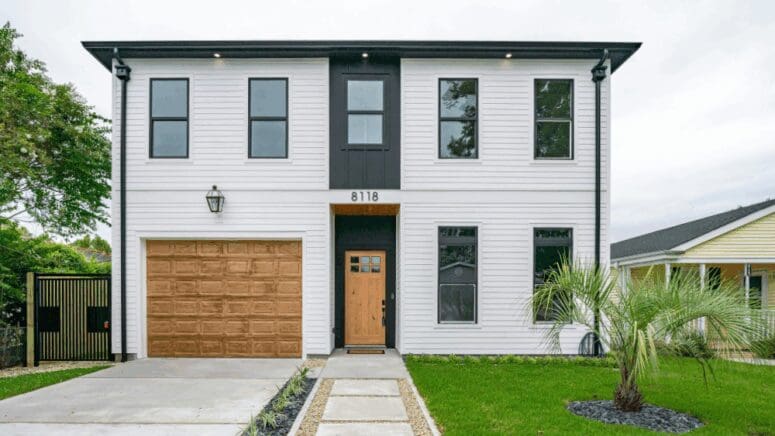
The 7 Best States to Move to in 2026
- Published on
- 9 min read
-
 Cheyenne Wiseman Associate EditorClose
Cheyenne Wiseman Associate Editor
Cheyenne Wiseman Associate EditorClose
Cheyenne Wiseman Associate EditorCheyenne Wiseman is an Associate Editor at HomeLight.com. Previously, she worked as a writer for Static Media (Mashed.com and Chowhound.com) and as an editor for CBR.com. Cheyenne holds a bachelor’s degree in English from UC Davis, where she also founded and led a literary magazine called Open Ceilings. She has four years of experience writing and editing on topics including real estate, financial advising, and pharmaceuticals.
Deciding where to move is a big decision — and the landscape is shifting fast. As costs, job markets, and lifestyle trends evolve, some markets are emerging as clear standouts. To help you sort through the noise, we’ve rounded up the best states to move to in 2026, based on the factors that shape everyday life most.

Find a Top Buyer’s Agent to Guide You
HomeLight can connect you with a top-rated real estate agent familiar with mortgage contingencies and home listings in your area. The most experienced agents know how to safeguard your earnest money and time.
From strong economies to cleaner air, safer communities, and expanding job opportunities, each state on our list brings something unique to the table.
If you’re weighing a relocation or simply curious about the best places to live in the U.S. in 2026, this year’s top contenders offer a compelling mix of stability, opportunity, and quality of life.
Best state for maximum affordability: South Dakota

South Dakota stands out as one of the cheapest states to live in 2026, with everyday costs that stay surprisingly manageable. In its Best States Rankings list, U.S. News ranked South Dakota 8th overall, with an affordability ranking of 4th. The state’s cost-of-living index sits well below the national average, and typical homes sell for around $289,000 — far under the U.S. median of $377,367.
However, what really sets South Dakota apart is how stable those costs remain. SmartAsset found that the income needed to live comfortably barely budged over the past year, even as many states saw sharp jumps. That holds true for the state’s two biggest metro areas, Sioux Falls and Rapid City. The state’s no-income-tax policy also helps keep budgets predictable.
With a median household income of $71,810 and a poverty rate below the national average, South Dakota also offers strengths beyond affordability. The state ranks well for environmental quality, with cleaner air and water, and fewer industrial toxins than much of the country. Infrastructure is reliable, higher education is strong, and agriculture and a growing tourism sector anchor the economy.
Best state for strong job growth: Utah
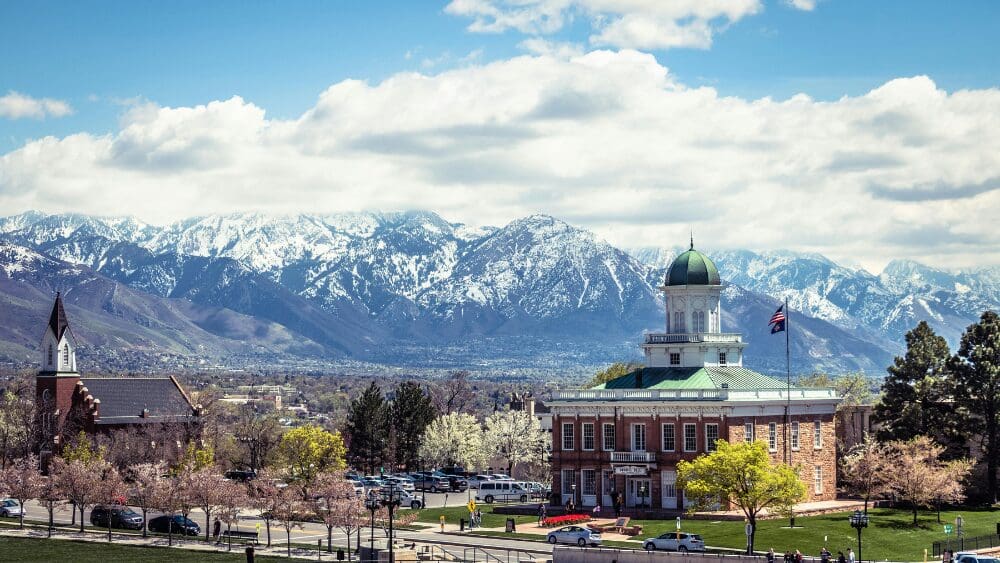
Utah has one of the strongest job markets in the country. U.S. News ranks it the #1 best state overall, with high marks for both its economy and employment strength. Recent labor data shows Utah has more open positions than available workers, putting it just ahead of the national average.
Over the past year, Utah added nearly 40,000 new positions, with especially large gains in education, health services, and construction. The state’s job growth rate sits at 2.1%, ahead of the 1.5% national average, and its unemployment rate remains lower than the country as a whole.
A major reason behind this momentum is the state’s focus on innovation. Utah attracts more venture capital per GDP than most states, bringing new companies and industries into the region. You can see that growth in places like Lehi and Draper, where tech hubs keep expanding, and in Salt Lake City, where medical and research centers continue to grow.
Together, these trends create an economy that feels both strong and stable. With a higher-than-average median household income, strong schools, low crime rates, and reliable infrastructure, Utah becomes a compelling option for 2026 movers looking for solid job opportunities.
Best state for education and health: Massachusetts
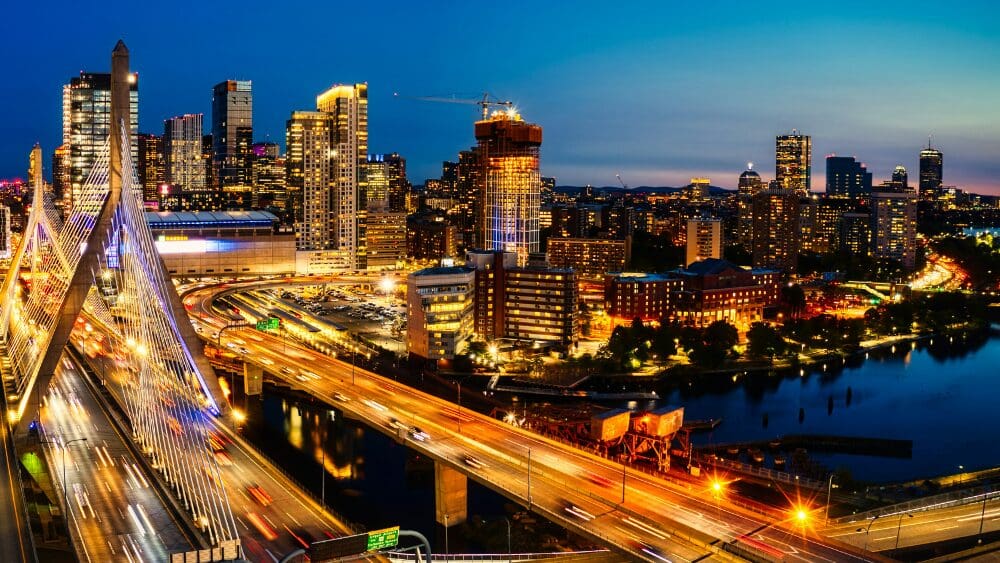
Massachusetts is known for its excellent schools and top-tier healthcare system — a combination that’s hard to beat. That’s helped it earn WalletHub’s ranking as the #1 best state to live in.
Massachusetts has the lowest premature death rate in the U.S., and nearly everyone has coverage — 97.4% of residents are insured, the highest rate in the country. Much of that access comes from its network of world-class hospitals, including Mass General, Brigham and Women’s, and the state’s many teaching and research institutions.
The state’s school system is just as strong. U.S. News ranks Massachusetts 5th in the nation for education, with a high school graduation rate and NAEP math scores that exceed national averages. A dense concentration of universities — from UMass to Harvard and MIT — helps shape the state’s academic culture and contributes to some of the highest long-term outcomes in the country, including a median household income of around $100,000.
Public health metrics round out the picture, showing lower obesity rates and more affordable healthcare than in many parts of the U.S. The Bay State also excels in terms of public safety and air and water quality, making it a well-rounded choice if you’re buying a house in 2026.
Best state for safety and stability: New Hampshire
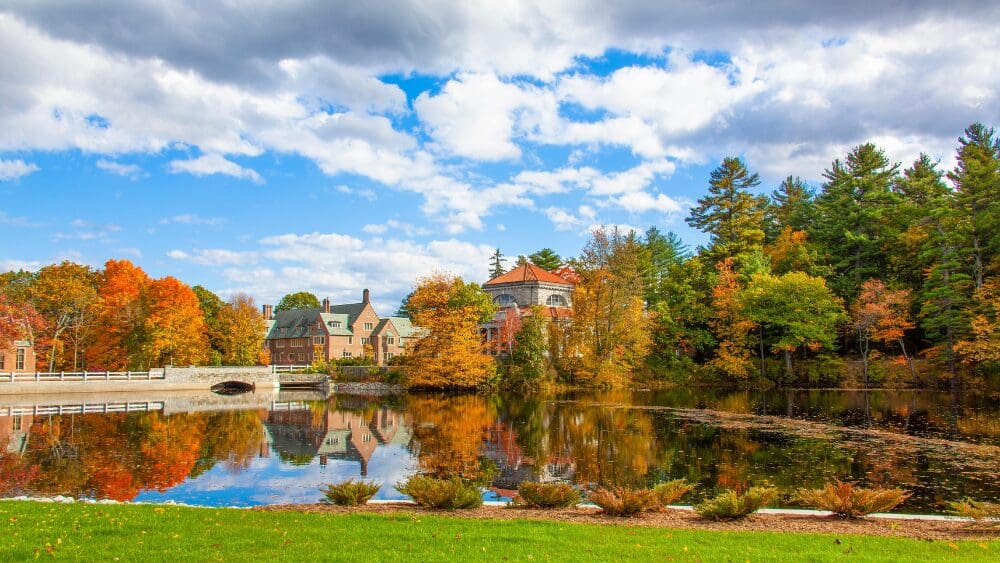
Like its neighbor to the south, New Hampshire is one of the safest places to live in the nation. U.S. News ranks the Granite State #1 in public safety and #2 for best states overall.
Crime rates here remain exceptionally low. USAFacts reports 110 violent crimes per 100,000 residents — far below the national rate of 359 — and both violent and property crime have dropped sharply over the past two decades.
The justice system tells a similar story. The state’s incarceration rate is less than half the national average, and juvenile incarceration is among the lowest in the country.
Beyond crime statistics, New Hampshire ranks high in pre-K–12 education, offers wide healthcare access, and benefits from low pollution levels and healthy air quality. The cost of living runs slightly above the national average, but so does the median household income.
If you enjoy the outdoors, the state’s rivers, lakes, and the White Mountains offer plenty to explore. For 2026 movers prioritizing safety and stability, New Hampshire easily rises to the top.
Best state for overall quality of life: Nebraska
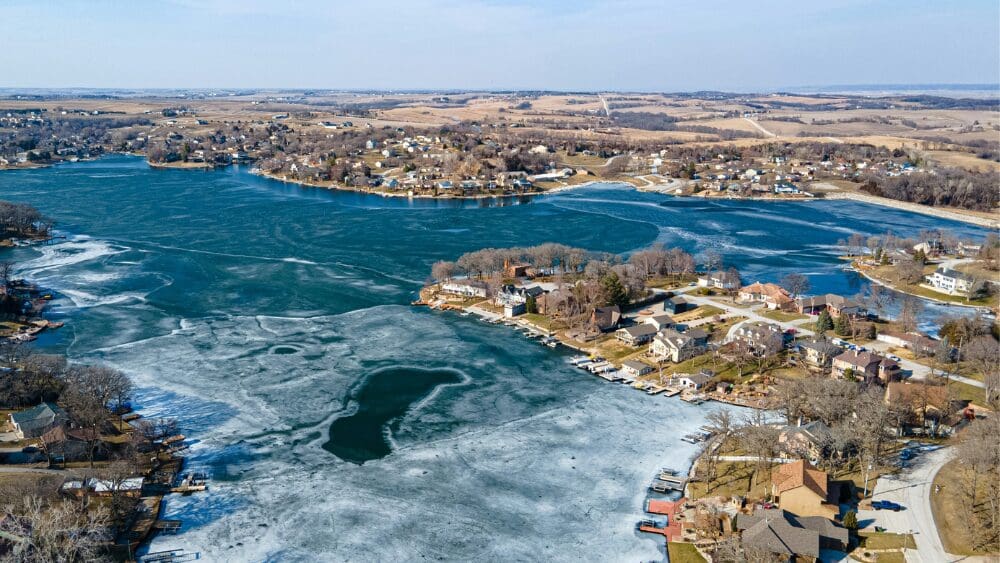
Nebraska offers a calm, steady quality of life that consistently ranks among the best in the country. U.S. News places the state #5 overall, supported by strong scores in fiscal stability, natural environment, and infrastructure. With a cost-of-living index well below the national average, daily expenses stay relatively low.
Nebraska shines when it comes to day-to-day livability. Residents enjoy quick commutes, reliable road conditions, and cleaner air, with fewer unhealthy air days and lower industrial pollution than the U.S. average.
Safety is another bright spot. CNBC reports Nebraska has the sixth-lowest violent crime rate in the nation. Education outcomes are strong, too, across both pre-K–12 schools and higher education. There’s also plenty of space to enjoy the outdoors, thanks to Nebraska’s hundreds of lakes, miles of trails, and a network of state parks.
Together, these strengths make Nebraska one of the best places to buy a home in 2026.
Best state for climate safety and low environmental risk: Vermont
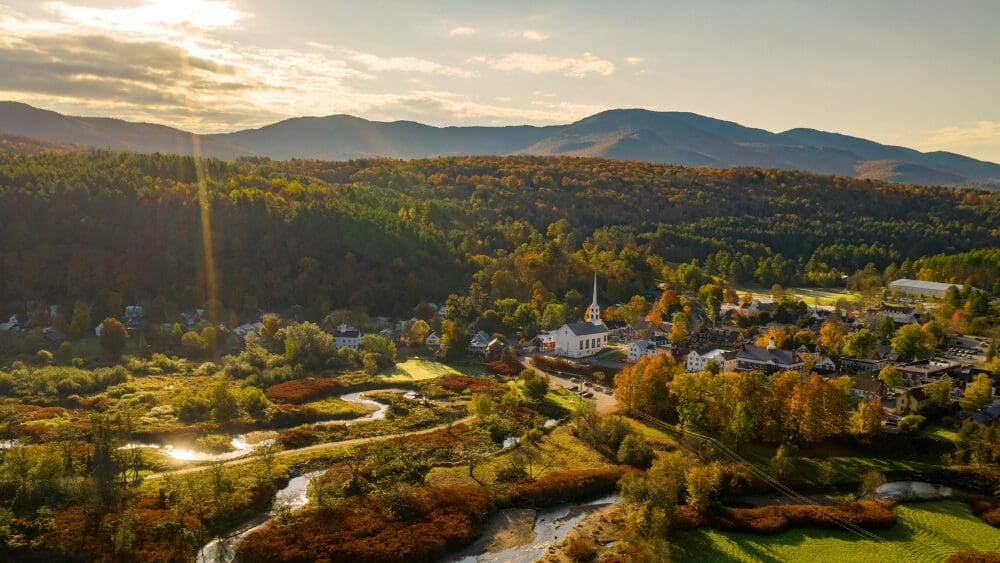
Vermont is one of the safest states when it comes to climate risk and environmental stability. FEMA’s National Risk Index places every county there in the “very low” or “relatively low” risk category — something only a few states can claim. And over the past four decades, Vermont has seen far fewer major weather or climate disasters than states like Florida, California, or even nearby Massachusetts.
WalletHub ranks Vermont the #1 most environmentally friendly state, citing clean air, low greenhouse gas emissions, and strong climate-forward policies. The state also leads the nation in alternative fuel stations and has the highest share of organic farm acreage — a reflection of Vermont’s deep, long-standing commitment to sustainability.
But the appeal goes beyond data. Vermont’s lifestyle is shaped by the Green Mountains, small towns, and communities that take land stewardship seriously. The state also scores well in public safety, job growth, healthcare access, and opportunity, according to U.S. News.
For 2026 homebuyers seeking climate safety and an overall healthy environment, the Green Mountain State is a clear winner.
Best state for remote workers who can live anywhere: Idaho
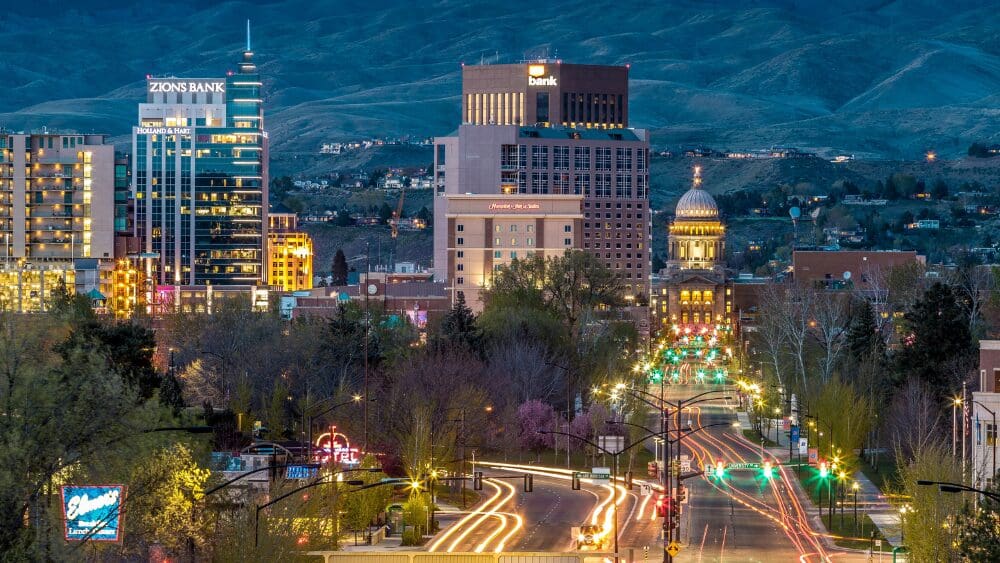
Idaho has quickly become a favorite for remote workers looking for affordability and a high quality of life. WalletHub ranks it the #2 best state to live in, citing its low taxes, safety, and steady growth in median household income. With one of the lowest property tax rates in the country and a cost of living well below the U.S. average, Idaho gives remote workers plenty of financial breathing room.
Idaho also stands out for its everyday livability. Air quality is cleaner than in many states, the roads are well-maintained, and Idaho has the lowest property crime rate in the nation. And even though remote workers aren’t tied to local job markets, the state’s 2.3% job growth rate points to long-term stability and strong, healthy communities.
These strengths show up across Idaho’s cities and towns. Boise has a growing tech and startup scene, Coeur d’Alene offers lake views and quiet neighborhoods, and places like Twin Falls and Idaho Falls combine affordable housing with easy access to trails, rivers, and wide-open spaces.
For remote workers who can live anywhere and want both manageable costs and room to enjoy their surroundings, Idaho makes a strong case.
Methodology
To determine the best states to move to in 2026, we narrowed down our criteria to seven main categories: affordability, job growth, education and health, public safety, quality of life, climate and environmental risk, and remote-work readiness. Of course, every state offers its own strengths, and for most categories, multiple states ranked highly.
In our final selection process, we evaluated each category on its own but also considered how states performed overall. If a state ranked highly in one area but very poorly in several others, it didn’t make the cut. Instead, we focused on those that scored strongly in their primary category and held up relatively well across the board.
Curious What Your Home Is Worth?
Get a near-instant real estate house price estimate from HomeLight for free. Our tool analyzes the records of recently sold homes near you, your home’s last sale price, and other market trends to provide a preliminary range of value in under two minutes.
If you’re planning a move to one of these states — or anywhere else — having a skilled real estate agent on your side can make the transition much easier. The right local expert can help you understand neighborhoods, compare prices, and navigate an unfamiliar market with confidence.
And if you’re buying a new home while preparing to sell your current one, HomeLight’s Buy Before You Sell program lets you move first and list later, giving you more flexibility as you plan your next chapter.
Header Image Source: (Chad Populis/ Pexels)
At HomeLight, our vision is a world where every real estate transaction is simple, certain, and satisfying. Therefore, we promote strict editorial integrity in each of our posts.