
The 7 Best Cities to Live in 2026
- Published on
- 9 min read
-
 Cheyenne Wiseman Associate EditorClose
Cheyenne Wiseman Associate Editor
Cheyenne Wiseman Associate EditorClose
Cheyenne Wiseman Associate EditorCheyenne Wiseman is an Associate Editor at HomeLight.com. Previously, she worked as a writer for Static Media (Mashed.com and Chowhound.com) and as an editor for CBR.com. Cheyenne holds a bachelor’s degree in English from UC Davis, where she also founded and led a literary magazine called Open Ceilings. She has four years of experience writing and editing on topics including real estate, financial advising, and pharmaceuticals.
For many Americans, 2026 feels like a reset button. After years of volatile housing markets, rising costs, and changing priorities, the question isn’t just where can I afford to live? — it’s where can I actually thrive? Some cities are answering that question better than others, offering a mix of stability, opportunity, and day-to-day quality of life that’s increasingly hard to find.

Find a Top Buyer’s Agent to Guide You
HomeLight can connect you with a top-rated real estate agent familiar with mortgage contingencies and home listings in your area. The most experienced agents know how to safeguard your earnest money and time.
To identify the best cities to live in, we looked at how different places work for real people with real goals. What works for a first-time buyer doesn’t always work for a growing family, a career-driven professional, or someone planning their retirement. Each city on this list stands out for a specific type of homebuyer.
The cities on this list aren’t just popular — they’re performing. Recent housing and economic data show why each one is worth considering in the year ahead.

Best city for first-time homebuyers: Oklahoma City, OK
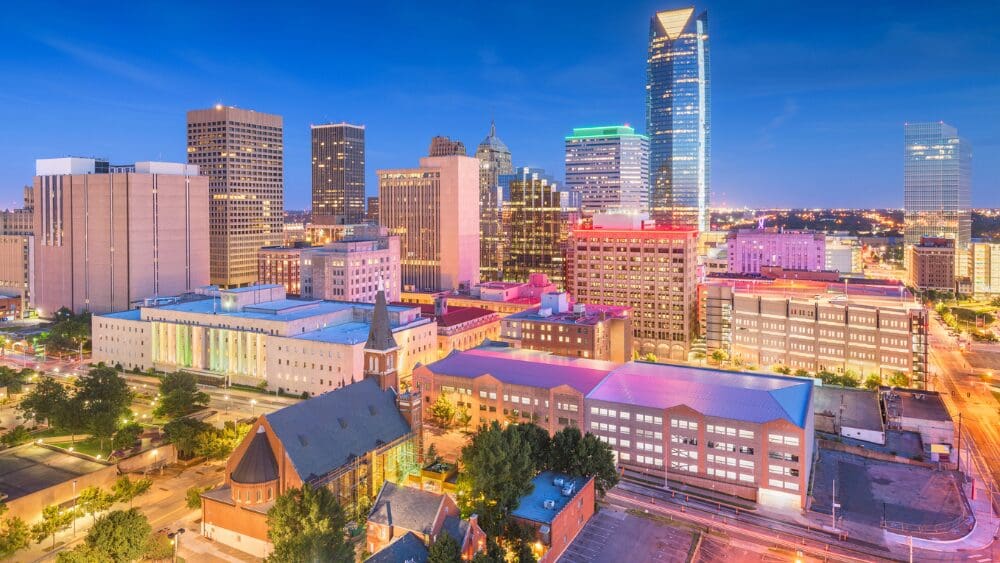
Oklahoma City often ranks near the top of 2026 lists for first-time homebuyers, largely because it remains affordable. The median home price in the Big Friendly is around $314,900, while the national median sales price is $396,800. Add in a cost of living that’s roughly 14.5% lower than the U.S. average, and buying a first home feels far more attainable than in many large metros.
Beyond prices, the city offers closing cost and down payment assistance programs that can help reduce upfront barriers for eligible buyers. For example, Oklahoma City’s First-Time Homebuyers Program provides up to $18,000 in down payment and closing cost assistance through a forgivable, deferred loan, which can make the difference for many buyers entering the market.
The local housing market is also more balanced than in many metros. Prices are rising at a steady pace, and inventory has improved. Buyers have more choices and less pressure to rush or compete in bidding wars.
With short commutes, growing neighborhoods, and an easygoing pace of life, Oklahoma City pairs affordability with everyday livability, making it a smart, realistic place for first-time buyers in 2026.
Best city for growing families: Cary, NC
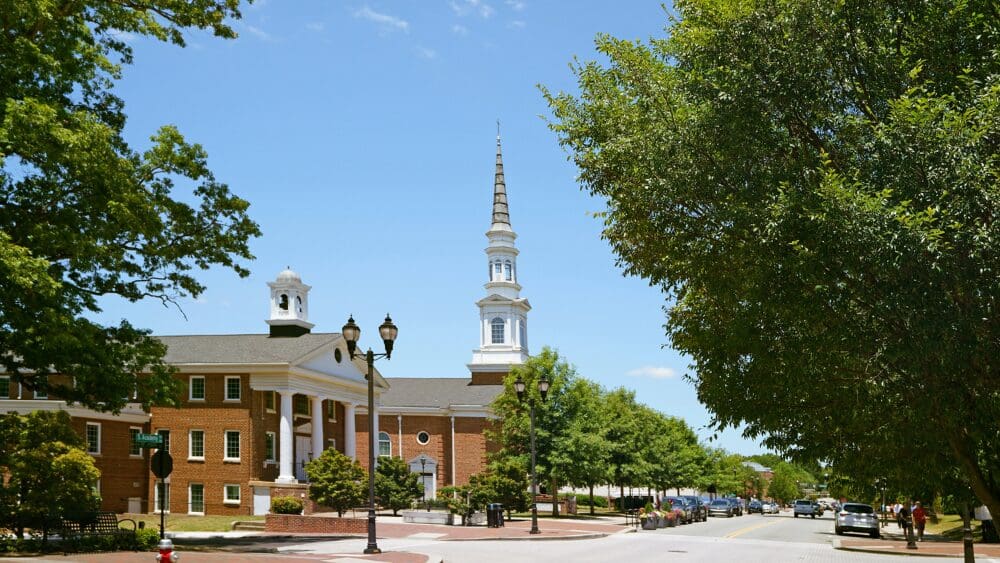
A town in name only, Cary is one of the largest municipalities in North Carolina with a population of about 190,000. The combination of city-level amenities and suburban charm makes Cary one of the best places for families looking to settle down. The local housing market remains strong, with a median home price around $571,294, while rising inventory has given buyers more flexibility and breathing room than in recent years.
Cary consistently ranks among the safest places in the country, with very low crime rates, a strong police presence, and high marks for pedestrian safety. Families also have access to the Wake County Public School System, one of the largest and highest-rated public school districts in the U.S.
Beyond schools and safety, Cary’s many parks and sports venues, connected by more than 80 miles of greenway, give kids plenty of space to play and make it easy for families to get outside and stay active.
It’s no surprise that U.S. News places Cary in the top five best places in the nation to live. With Raleigh, Durham, and Chapel Hill close by, families can enjoy a close-knit community while still being near major employers and universities.
»Learn more: Curious how far your budget can take you in the country’s top cities? Use our Home Affordability Calculator to see which of the best areas to live in fits your lifestyle and finances.
Best city for remote and hybrid workers: Chattanooga, TN
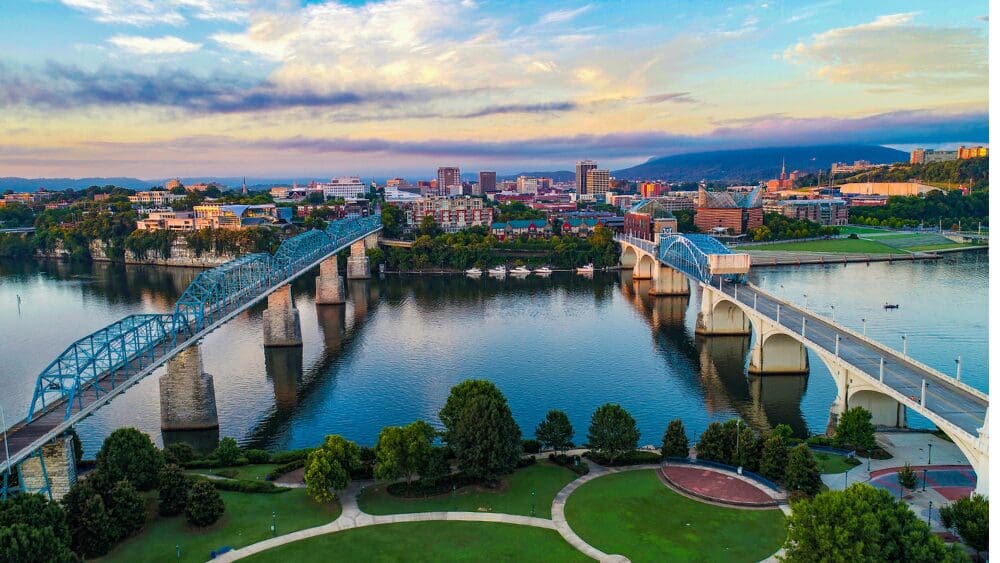
Chattanooga is one of the best cities to live in for remote and hybrid workers, thanks to its mix of solid infrastructure, reasonable home prices, and a high quality of life. Compared with many similarly sized cities, the housing market remains approachable, with median home prices around $325,946. This makes it easier to find space for a home office without stretching your budget.
Fast, reliable internet is a must for remote workers, and Chattanooga delivers on that front. Nicknamed “Gig City,” Chattanooga was one of the first cities in the U.S. to build a citywide gigabit-speed fiber network. For people who work from home, this means smoother video calls, quicker uploads, and fewer connection issues. The network has also helped attract new businesses and innovation, contributing to the creation of more than 10,000 local jobs.
Outside of work, Chattanooga offers a lower cost of living than most tech hubs, easy access to outdoor spots like the Tennessee Riverfront and Lookout Mountain, and a lively, walkable downtown. Together, these factors make Chattanooga a strong pick for remote workers planning their next move in 2026.
Best city for career-focused buyers: Austin, TX
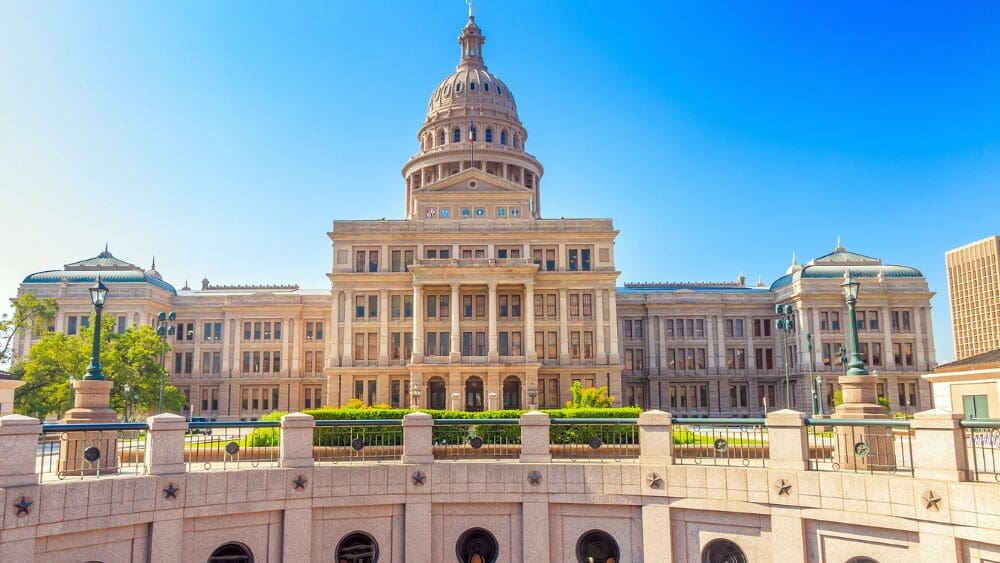
Austin may be best known for its live music and food trucks, but it’s also built a reputation as a place where careers can grow. The local economy isn’t centered around a single industry, which gives workers more flexibility to change roles, switch fields, or take on new opportunities without leaving the city.
Major employers, including Apple, Dell, Google, Oracle, and Tesla, have a strong presence in the area, alongside healthcare systems and the University of Texas at Austin. Those economic conditions are reflected in the housing market, where the median sale price is about $581,104.
In 2025, the Austin region gained 14,133 jobs, reflecting 1.0% growth. This pace was slower than Texas’ overall growth rate of 1.3% but slightly ahead of the U.S. rate of 0.9%. Employment picked up in December 2025, with 2,900 jobs added since November in the seasonally adjusted data. With this increase, Austin’s total job gains over the past year reached 10,100, representing 0.7% growth as of December 2025.
Outside the office, Austin makes it relatively easy to build a professional network. Universities, coworking spaces, industry events, and a busy social scene all create opportunities to meet people and stay connected. For career-focused buyers, Austin offers a healthy balance of job access and city life.


Best city for retirees and downsizers: Sarasota, FL
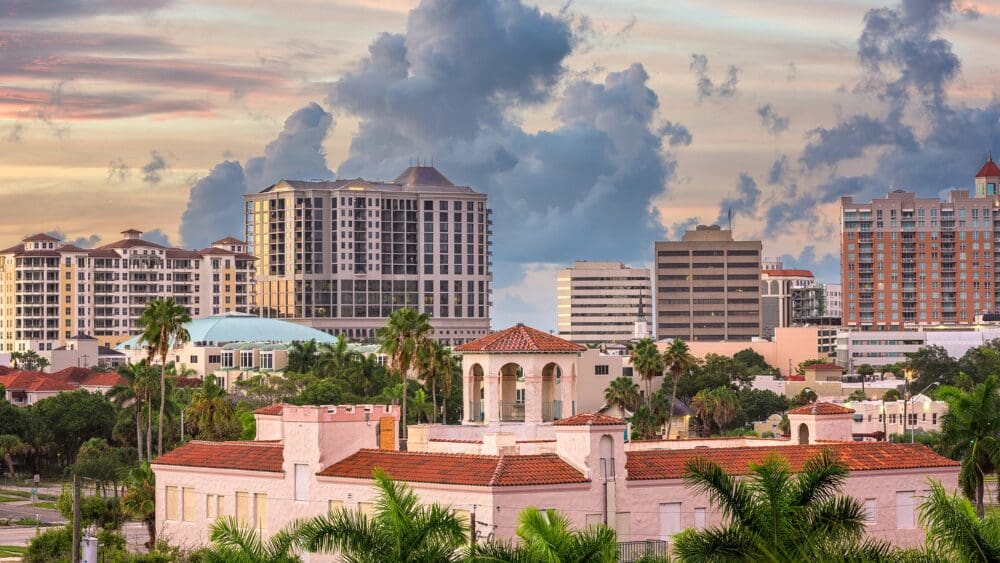
With its year-round warm weather and relaxed coastal lifestyle, Sarasota is a top choice for retirees and downsizers. The housing market offers a range of lower-maintenance options, from beachfront condos to age-restricted communities designed for simpler living. The median value for homes sit around $555,362.
Healthcare access is another major draw. Facilities like the Sarasota Memorial Hospital and nearby specialty clinics provide access to high-quality care, a priority for older residents.
Lifestyle plays a big role, too. Gulf Coast beaches, year-round outdoor activities, and a vibrant arts and cultural scene support an active, social retirement. Add in Florida’s lack of state income tax and retiree-friendly tax policies, and it’s easy to see why Sarasota continues to attract retirees and downsizers in 2026.
Best city for long-term stability seekers: Madison, WI
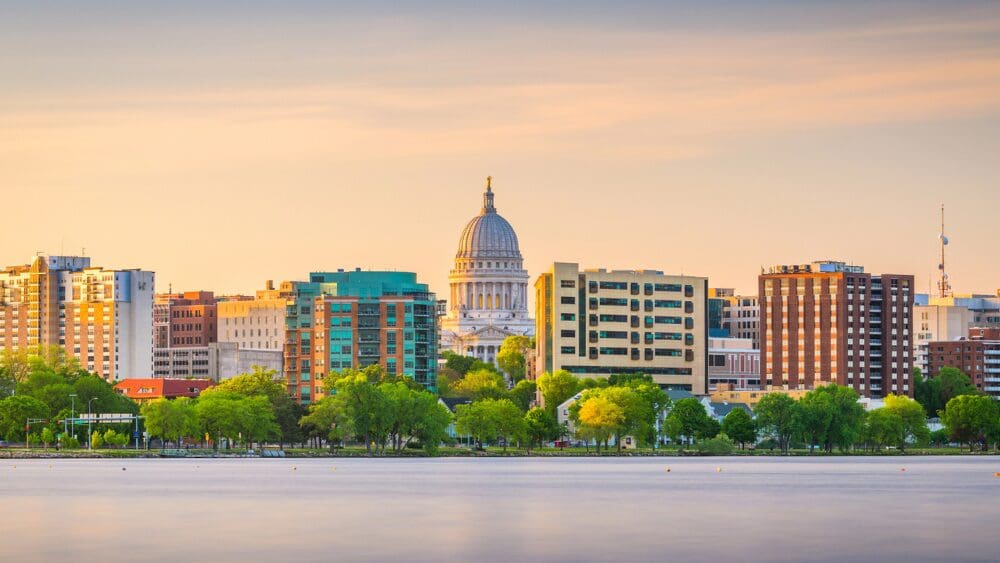
Madison stands out for buyers who want a place that feels steady and reliable over the long haul. Home values sit around $382,379. While inventory is still tight, it’s slowly improving. The market remains competitive, but the pace has become more measured, reflecting a market that’s active without feeling overheated.
Additionally, population trends in Madison show things are holding steady. The city’s population is expanding at an annual rate of 0.9% and has grown by 5.68% since the last census in 2020. It keeps drawing people in with jobs in education, healthcare, and tech, as well as the great quality of life and plenty of fun things to do.
For anyone thinking long-term, this steady population growth is a good sign that the local economy is solid. More people moving in also helps keep the housing market stable. And with more residents, the city keeps investing in amenities and services, making it an even more sustainable and appealing place to live.
Beyond the numbers, Madison offers everyday livability with its chain of lakes, extensive bike paths, a walkable downtown, and a strong food and farmers market scene. Combined with lower exposure to extreme weather and predictable insurance costs, Madison gives stability-focused buyers confidence as they plan for the long term.


Best city for lifestyle-driven buyers: Seattle, WA
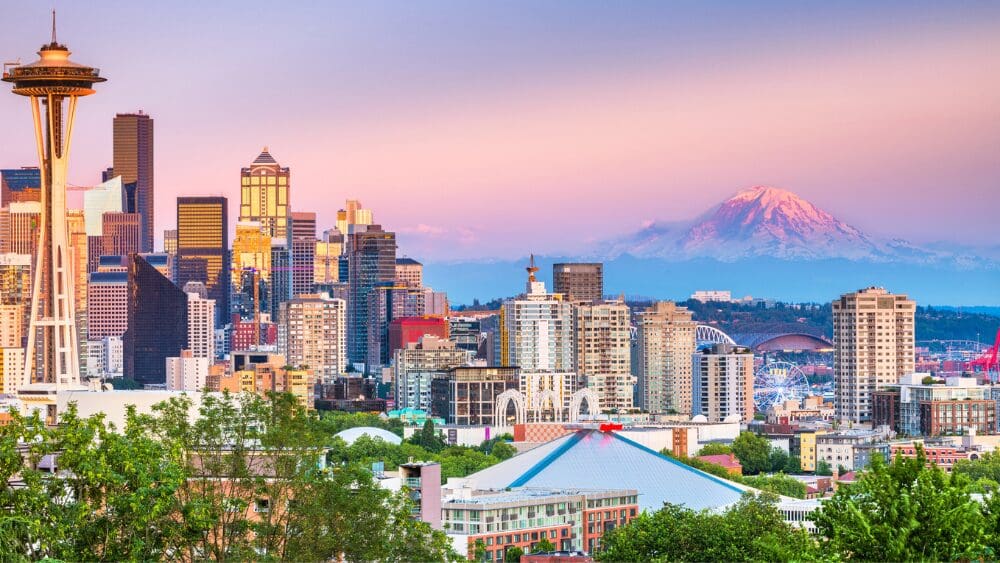
Seattle continues to appeal to lifestyle-driven buyers who want city living without giving up access to nature. Many neighborhoods are highly walkable, with places like Pike Place Market, Belltown, and Capitol Hill offering restaurants, shops, and entertainment close together, making it possible to manage daily life without relying on a car.
While median home prices are currently high, at around $920,561, the city’s housing market is gradually becoming more balanced. Inventory is higher than it’s been in recent years, giving buyers more choice, while well-priced homes continue to sell steadily, indicating that demand remains strong.
What really sets Seattle apart is how well urban life blends with the outdoors. Lakes, parks, and trail systems are built into the city, while mountains and Puget Sound are a short drive away. The city also delivers a steady stream of cultural events, from film festivals and food events to live music and neighborhood markets.
Together, Seattle’s rich cultural scene and easy access to the outdoors give the city a strong appeal that continues drawing lifestyle‑driven buyers.
Methodology
To determine the best cities to live in for 2026, we evaluated U.S. metros through the lens of seven distinct homebuyer types. Each category reflects a different set of priorities, from affordability and job access to healthcare, long-term stability, and overall livability.
We assessed cities using a mix of housing market data, economic indicators, demographic trends, and quality-of-life factors. Of course, “best” isn’t one-size-fits-all. Ultimately, the right city depends on your priorities, lifestyle, and stage of life.
Curious What Your Home Is Worth?
Get a near-instant real estate house price estimate from HomeLight for free. Our tool analyzes the records of recently sold homes near you, your home’s last sale price, and other market trends to provide a preliminary range of value in under two minutes.
If you’re planning a move to one of these cities — or anywhere else — working with an experienced real estate agent can make the process far smoother. A knowledgeable local expert can help you evaluate neighborhoods, understand pricing, and feel confident in a market that’s new to you.
If you’re buying your next home while getting ready to sell your current one, HomeLight’s Buy Before You Sell program allows you to purchase first and sell later, giving you added flexibility as you make your move.
Header Image Source: (iriana88w / Deposit photos)
At HomeLight, our vision is a world where every real estate transaction is simple, certain, and satisfying. Therefore, we promote strict editorial integrity in each of our posts.