
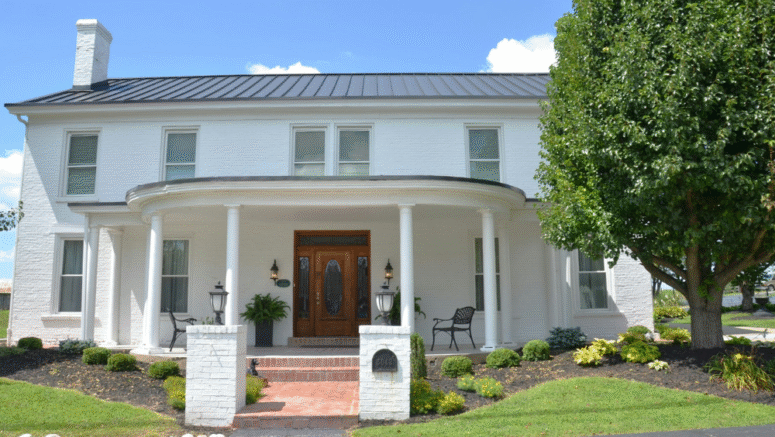
How Bridge Loans in Raleigh, NC Can Help You Buy Before You Sell
- Published
- 10 min read
-
 Chloe Chahrouri Associate EditorClose
Chloe Chahrouri Associate Editor
Chloe Chahrouri Associate EditorClose
Chloe Chahrouri Associate EditorChloe Chahrouri is an associate editor for HomeLight. She holds a bachelor’s degree in creative writing, with a minor in professional and technical writing, from San José State University. She most recently worked as a copy editor on Reed Magazine's Issue 158 and won first place in fiction from Leaf by Leaf Magazine. When she’s not writing, she’s usually trying a new craft or experimenting with a recipe.
If you’re researching bridge loans in Raleigh, NC, you could be looking for a more predictable sale.
Around 41.9% of listings in the Raleigh-Cary metro are new construction, so you might be buying a home that’s ready before your current one is sold. Maybe you’ve found the right location near work or are upsizing to better fit your family’s needs. If your equity is tied up in your current home, you might be feeling stuck when you want to secure a home that’s right for you.
A bridge loan can be a great solution, but it isn’t the only one available. If you want to strengthen your offer and avoid juggling two different transactions, there are other ways to do so.
We’ll guide you through how bridge loans in Raleigh work, what yours might look like, and how modern Buy Before You Sell programs can help you make your next move with more flexibility.

Here's How You Can Buy Before You Sell in Raleigh
With HomeLight Buy Before You Sell, you can make a strong, non-contingent offer on your new home without waiting to sell your current home. This modern bridge solution unlocks the equity in your existing property, streamlining the entire process so you win the home you want — and move only once.
What is a bridge loan, in simple words?
A bridge loan is a short-term loan used to “bridge” the timing gap between buying a new house and selling your current one.
You may also see it called bridge financing, interim financing, gap financing, swing loans, or bridging loans. They all serve the same purpose: to give you a clean way to move by letting you access your home equity to use as a down payment on your next one.
One problem it can solve is protecting you from losing out because of a home sale contingency, since you’re able to buy before your current house sells. Then, you use the proceeds from the sale of your old home to pay off the bridge loan.
However, keep in mind that bridge loans are specialized products, so the interest rates are typically higher than traditional mortgages.
Raleigh buyers have plenty of directions to take their home search, like staying within the city or looking elsewhere in Wake County. If you’ve found a home that’s right for your commute or growing family, you may find that the cost of a bridge loan is worth it if you don’t want your current sale to control when you can buy.
How do bridge loans work in Raleigh?
A common scenario is finding the right home in Cary, Apex, or another Triangle community before your current property has sold. Bridge financing can let you access your existing equity for the down payment and closing costs on the new purchase.
Oftentimes, the lender handling your new mortgage will also offer a bridge loan. They usually require that your current home be actively listed for sale and will typically extend the bridge loan for six months to one year.
In general, these are the requirements to qualify for a bridge loan in Raleigh:
- Significant home equity
- Good credit
- Sufficient income
- An active listing for your current home
Your lender may also need to calculate your debt-to-income (DTI) ratio, which could include your old mortgage payment, your new mortgage payment, and any interest-only payments on the bridge loan.
If your current home is already under contract and the buyer has final loan approval, your lender might only count your new mortgage payment. If the sale ends up being delayed, this would ensure you don’t have to carry two payments.
What does a bridge loan look like?
There isn’t one specific way to structure a bridge loan, but the example calculator below can help you visualize what a bridge financing solution might look like.
Adjust the values to see an estimated monthly interest payment, available proceeds, and the balloon payment due when the loan is repaid.
Is a bridge loan the best way to buy before you sell in Raleigh?
For a long time, bridge loans were pretty much your only option if you wanted to tap into your home’s equity before you sold, but you’ll find a lot more to choose from today.
In addition to traditional bridge financing, some companies now offer modern Buy Before You Sell programs designed to tackle the challenges of buying and selling at the same time.
These programs can help homeowners:
- Easily access home equity before selling
- Make non-contingent offers
- Only have to move once
- Prepare and market their old home after moving out
These newer programs may be especially useful if you’re trying to line up the purchase of a newly built home or move closer to Research Triangle Park without waiting for your current home to sell.
In a recent HomeLight Lender Insights survey, 35% of loan officers identify modern Buy Before You Sell programs as the most effective approach for homeowners buying before selling — beating out contingent offers, traditional bridge loans, and HELOCs.
A simpler alternative: HomeLight Buy Before You Sell
HomeLight’s Buy Before You Sell program was made to help homeowners unlock equity from their current property so they can purchase their next home before selling. It’s different from a traditional bridge loan since you’ll have both financing and selling support in one.
Along with your real estate agent, HomeLight can help you:
- Unlock equity from your current home
- Make a stronger offer on your next home
- Move prior to listing your old property
- Stage and market your home once you’ve moved out
How HomeLight Buy Before You Sell works
- Apply without obligation
Find out if your home qualifies and receive an equity unlock estimate.
- Buy your next home with more certainty
Use this unlocked equity to make a more competitive offer, without waiting for your current home to sell.
- Sell your former home on your own terms
After settling into your new home, you can list your previous property once it’s vacant and potentially stage it to bring in a stronger offer.
Selling after you’ve moved can be especially useful in a market like Raleigh with lots of listings competing for buyers’ attention. Having a vacant home can give you more flexibility to get the property ready the way you want before it hits the market.
To learn more or get started, visit homelight.com/buy-before-you-sell.
The benefits of bridge financing
| What bridge financing offers | What Buy Before You Sell can add |
| Unlocking your home equity upfront | Guidance and a streamlined process |
| Making competitive, contingency-free offers | Moving decisively when the right house appears |
| Eliminating the cost of moving twice and renting temporarily | Selling your previous house after you’re settled in your new one |
| Controlling the timing of your transaction | Positioning your home to potentially maximize your sale price |
While both solutions allow you to buy your new home before selling your current one, which one you choose ultimately depends on your personal priorities. If you want an all-in-one process — combining equity financing with selling support from top Raleigh experts — HomeLight’s Buy Before You Sell program could be worth considering.
What should you consider before using a bridge loan?
Bridge loans can be useful to avoid the uncertainty about when your current home will sell, but take a look at some of the compromises.
- Higher borrowing costs: Expect higher interest rates and closing fees compared to a standard mortgage.
- The bar is higher to qualify: Lenders look for excellent credit, high income, and enough existing equity before approving a loan on your current property.
- Overlapping payments: You could temporarily carry the costs of two homes at the same time, depending on the way your loan is structured.
- Your sale may take time: If you carry a bridge loan longer than expected, you’ll generally pay more in total interest.
- Fewer lender options: Not all lenders in Raleigh offer bridge loans, so finding the right program can take some more research.
Partner with a top agent who knows your Raleigh market and has experience with bridge loan programs. HomeLight can connect you with an experienced buyer’s agent who can help you navigate your entire homebuying journey.
Find a Top Raleigh Agent With Experience in Bridge Loans
When is a bridge loan a good solution in Raleigh?
This option could make sense if you:
- Need equity from your current home for a down payment
- Have already found the home you want to buy
- Are upsizing or moving to another Wake County community
- Find that your offers aren’t strong enough to compete against non-contingent buyers
- Are relocating for work under a tight schedule or want to live closer to a major employment center like RTP
- Want to move out before preparing your current home for sale
- Prefer to move into your new house right away
- Can comfortably qualify for both transactions
How much does a bridge loan cost in Raleigh?
Bridge loans typically carry interest rates between 8% and 12%, with origination and closing fees adding an extra 1% to 3% to the total loan amount. Where your rate falls within that range can depend on your credit, available equity, loan-to-value ratio, property, and lender.
Your selling timeline can affect the final cost, too. The median DOM (days on market) in Raleigh is 54 days as of July 2026. However, this doesn’t include the time needed to close, and the best time to sell a house in Raleigh can also fluctuate. You may need to carry the loan longer than expected, especially with buyers having more homes to choose from.
Also, remember that these loans are temporary and specialized, which typically makes the rates more expensive.
If you’d like an idea of how different amounts and rates can affect your monthly payments and payoff costs, use the bridge loan snapshot tool above.
Who provides bridge loans in Raleigh?
Since bridge loans have strict underwriting requirements, they aren’t offered by every financial institution. When shopping for one in Raleigh, your best bet to get one is usually:
- Mortgage lenders
- Regional banks
- Credit unions
- Hard-money lenders
- Non-qualified mortgage (non-QM) lenders
Each lender structures bridge loans differently, so you may need to compare quotes from several providers.
Are there other alternatives to bridge loans in Raleigh?
A bridge loan isn’t the only way to access equity before buying your next home. Your own timeline, financial standing, and equity position might make one of these alternatives a better fit.
If your next move involves trading a starter home or townhome for a larger single-family home, comparing these equity alternatives can help you decide the best way to fund your purchase before selling.
Home equity loan
A home equity loan lets you borrow a lump sum of cash upfront, using your home’s earned equity as collateral. You’ll then repay it in fixed monthly installments.
It’s worth considering if you know your exact costs and want more certainty with your budget, but it does mean handling an extra loan until your current home sells.
Home equity line of credit (HELOC)
A HELOC works more like a credit card backed by your home. Instead of receiving one lump sum, you’ll be able to access a revolving line of credit that you can take from as needed.
While HELOCs usually have lower upfront costs than bridge loans, their interest rates fluctuate, so your monthly payments can change over time.
Cash-out refinance
A cash-out refinance resets your mortgage into a larger loan so you can take out the difference in cash.
This is a great option when borrowing rates are low, but it might not be worth it for Raleigh homeowners who’ve already locked in a low rate years ago and don’t want to trade it for a more expensive mortgage.
80-10-10 (piggyback) loan
A piggyback loan combines a first mortgage and a second mortgage so you can buy your next home with just 10% down.
Buyers often use this strategy to avoid private mortgage insurance (PMI), but it can also mean taking on multiple loan payments until your existing home closes.
Home sale contingency
You can also make an offer that has a home sale contingency. While this lowers risk, since you won’t be buying a new home until your existing one sells, many sellers find these offers to be less desirable.
The problem is that you might end up missing out on a home you love, which might be why you wanted to pursue a bridge loan in the first place.
Solutions like HomeLight’s Buy Before You Sell bypass this issue by letting you remove a home sale contingency without selling your house first.
In a recent HomeLight Lender Insights survey, 41% of loan officers nationwide reported an increase in home purchases falling through because of contingency clauses.
Key takeaways for Raleigh homeowners
Where you buy in Raleigh, NC, can shape everything from your commute to how much space you can get for your budget. If you’ve found the right home before yours is sold, having your buying power tied up in your current property can make the timing frustrating.
Bridge financing can make the timing easier, but you’ll still need to consider the added costs and qualification requirements. You should also know that you have other options, like a Buy Before You Sell program, which can also unlock equity, strengthen your offer, and help you transition without moving twice.
If your aim is just to unlock equity before selling, both options can work for you in different ways.
You could try to get a bridge loan if you prefer something more traditional and already know a lender that offers it. Keep in mind that it’s often harder to qualify, but you may meet these requirements. In that case, it’s worth considering.
You could go with a BBYS program if you think having support with both selling and financing would be useful. If you want more flexibility while you house hunt, want to move before listing, and prefer to avoid managing two transactions, it can be a great choice.
If you’re curious about HomeLight’s Buy Before You Sell program in Raleigh, consult with an expert who knows the market. There’s no obligation, and you’ll get an accurate estimate of how much equity you can get from your current home.
In the end, as long as you compare the costs, timelines, and qualification requirements of each option, you’re on the right track to find what’s best for your situation.
Editor’s note: As a friendly reminder, this post is intended for educational purposes, not financial advice. If you need assistance navigating a bridge loan in Raleigh, HomeLight encourages you to reach out to your own advisor.
Header Image Source: (Roger Starnes Sr / Unsplash)
At HomeLight, our vision is a world where every real estate transaction is simple, certain, and satisfying. Therefore, we promote strict editorial integrity in each of our posts.