
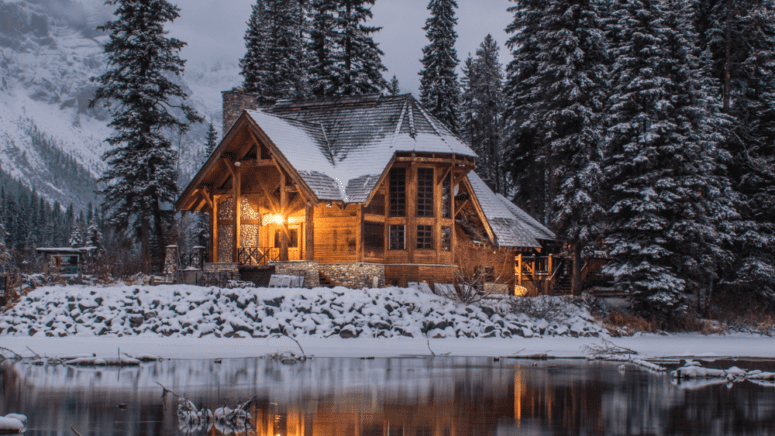
The Complete 35-Point Home Winterization Checklist To Get Your Home Ready For Winter
- Published on
- 5 min read
-
 Melissa Holtje, Contributing AuthorClose
Melissa Holtje Contributing Author
Melissa Holtje, Contributing AuthorClose
Melissa Holtje Contributing AuthorMelissa enjoys using her experience as a house flipper, investment buyer, and waterfront home owner to help buyers and sellers thrive in the housing market. When not scouting real estate, you’ll most likely find her at the beach.
-
Jedda Fernandez, Associate EditorClose
Jedda Fernandez Associate Editor
Jedda Fernandez is an associate editor for HomeLight's Resource Centers with more than five years of editorial experience in the real estate industry.
There’s something wonderful about winter. Imagine curling up in front of the fireplace of your new home with some hot chocolate and a good book. Sounds nice, doesn’t it? Only if you’ve already ticked off all the items on your home winterization checklist … those cozy, cold-weather vibes only go so far.
If you’re not careful, freezing temperatures can do significant damage to your new home. And there’s nothing like a broken pipe or a leaky basement to kill those winter-wonderland daydreams!
Maria Walley, a top-performing real estate agent in Cincinnati, Ohio, knows all about the toll that winter can take on a home. Her firsthand knowledge, combined with national winter-safe protocols, helped us compile this comprehensive winterization checklist.
Don’t let winter ruin your new home. We’ll guide you through best practices to keep your home functioning as the year-round haven you always wanted it to be.

Get Your Ultimate Home Winterizing Checklist!
Winter is coming! Get ready for cold weather with our comprehensive home winterizing checklist, including exterior, interior, system, and storm-readiness.

Exterior winterization
1. Inspect the roof for loose singles or tiles
If you’re able, break out the ladder and do a visual inspection of your roof. Check for any loose shingles or tiles, especially around vents and at seams where expansion and contraction seem to affect the integrity of the roof to a greater degree.
If you notice any cracked or broken areas, you may be able to fix them yourself using a watertight, tar-like sealant. Otherwise, definitely contact a professional roofer to patch it up.
2. Clean the chimney
While you’re up on the roof, take the opportunity to inspect your chimney. Make sure there are no loose bricks and check that the vent is clear. Look for an overabundance of soot, which could indicate the need for a cleaning.
The Chimney Safety Institute of America recommends chimney sweeping when there is a one-eighth-inch buildup of sooty deposits in the flue. If in doubt, the National Fire Protection Association says it’s best to schedule a yearly inspection for safety’s sake.
3. Clear out gutter blockages
Walley says gutter cleaning is her No. 1 winterization tip for homebuyers. Gutters should be free of leaves and debris in order to function properly. Clogged gutters can lead to foundation issues, basement leaks, or water seepage into the soffits and fascia. Plus, if water freezes in your gutters, the heavy ice could cause them to break away from your home.
“I see it happen all the time — water backs up and comes inside. You start to see spotting and think there are big problems with the house. But in reality, if you take the time to clean the gutters, all that can be avoided.”
4. Install and clean leaf guards
Consider installing leaf guards, especially in sections near tall trees. Choose the type of leaf guard depending on the debris that accumulates around your property: micro-mesh for blocking small debris like pine needles, mesh screens for larger debris like leaves and twigs, or gutter helmets and foam inserts to channel water into the gutter while blocking leaves and debris. If you already have leaf guards installed, clean them regularly to avoid the accumulation of fine debris.
5. Clean dryer roof vents
Don’t put away your ladder just yet! If you’ve got a roof vent for your dryer, now’s a great time to clean it out. Remove all lint to keep air flowing throughout the winter. After all, you don’t want to get up on the roof again when it’s below zero degrees!
6. Store outdoor furniture indoors
Once you’re safely back on the ground, it’s time to take a look at the deck and patio areas. First, pull in all outdoor furniture that could be damaged over the winter. If you have wrought iron furniture, take care not to leave it outside to prevent rusting and corrosion.
7. Store decorative rugs and planters
Decorative rugs and seasonal planters will last you another year if you take care of them during winter. Clean and dry them before storage. For decorative rugs, roll them up and store them vertically in a well-ventilated area.
8. Seal and waterproof the deck
Because of the variety of materials and climates, there’s no real rule of thumb for how often a deck needs to be sealed. To determine if your deck may need to be sealed before the snow falls, spray some water onto the surface. Does it soak in or bead up on top? If water isn’t beading, you’ll want to seal and waterproof the deck in order to prevent winter damage.
9. Read outdoor appliance guidelines for winterization
If you’ve got an outdoor kitchen, now’s the time to pull out those manufacturer guidelines for winterization. Some outdoor appliances can be used safely throughout the colder months, while others will need to be drained of fuel and covered up until spring.
10. Winterize pool and water features
Similarly, pools and water features will need to be winterized according to professional guidelines and your climate. In states that expect freezing temperatures, winterizing pools and water features usually means draining water, adding chemicals, clearing pipelines, and installing a thick cover. States with milder winters can take fewer precautions. Ask your local pros if you need guidance.
11. Drain gas-powered lines
You’ll also want to think through which lawn care items you won’t be using anymore. To avoid fuel freezing in the lines, most gas-powered items will need to be stabilized and drained. Again, consult manufacturer specifications for guidance on your specific tools.
12. Turn off water supply to outdoor faucets
Walley also reminds clients to turn off the water going to the hose spigots. “Typically in the basement, there’s a valve for the outdoor faucets. You’ll want to shut that off so you don’t have a burst pipe.”
13. Keep outdoor hoses and window screens in storage
Before the first freeze, be sure to bring in hoses to prevent them from cracking. The basement or garage is a good place to keep hoses and window screens throughout winter. Removing the window screens can improve the energy efficiency of your home and reduce condensation.
14. Stake the driveway
Stake the driveway, so you don’t “lose” it (and can protect your lawn) in the first snowfall. For a single residential driveway, you will need 8-12 stakes, placed every 20-30 feet. For high-snow areas, use stakes every 10-15 feet for better visibility.
15. Switch out seasonal decor
As you store out-of-season decor, it’s time to take out winter-appropriate decor to keep your curb appeal throughout the winter. Aim for a cozy look with holiday lighting, but refrain from flashy, blow-up decorations.

Interior winterization
16. Check for drafts
The weather outside is getting frightful … so keep it out there! Guard against chilly drafts by checking that doors and windows are properly sealed. The U.S. Department of Energy recommends holding a lit incense stick near closed windows and doors. If the smoke wavers, you’ve got a gap that will let warm air out and cold air in. Install weatherstripping or use caulk to seal up doors and windows.
17. Insulate electrical outlets
You may also want to consider insulating your electrical outlets, especially those located on exterior walls. Foam sealers can often help reduce airflow around outlets and switches. For additional measures, you can also caulk around outlet edges.
18. Clean fireplace components
Indoor fireplaces help keep your family cozy through the winter — as long as they’re safe! Get your fireplace in tip-top shape for winter by cleaning all fireplace components and testing the damper. Make sure you have dry wood or gas ready for use.
19. Test your thermostat
Get ready for the change in temperature by testing your thermostat and setting it for optimal heat usage. The U.S. Department of Energy advises setting your thermostat for 68 degrees while you’re home and awake, then setting it even lower while you’re asleep or away.
20. Change air filters
Filters need to be changed more frequently in winter, ideally monthly. Your furnace is working harder this time of year, which means your filter accumulates more dust, allergens, and pet dander if you have pets.
21. Reverse ceiling fan direction
In summer, ceiling fans work more efficiently by turning counterclockwise. In winter, you’ll want to reverse this direction to clockwise to push warm air down and cool air up. Run your ceiling fan at its lowest speed to evenly distribute warm air around the room.
22. Wash and change bedding
Get beds and bathrooms ready for wintertime comfort. Wash and change bedding, putting on warmer sheets such as flannel or fleece. Pull out thicker blankets, quilts, and down comforters that you may have had in storage.
23. Inspect bathroom exhaust fan
Your bathroom exhaust fan should be vented properly and cleaned regularly to remove dirt. Exhaust fans help prevent mold and remove humid air, but when not maintained properly, they can cause heat loss.
24. Add a towel warmer
Imagine having a nice, hot bath in winter only to finish it off with a cold towel! Adding a towel warmer gives that extra touch of coziness. It also helps keep towels dry and maintain bathroom hygiene.

System winterization
25. Get HVAC professionally serviced
Of course, the biggest seasonal system switch will definitely be the HVAC or heating and cooling system. You should service heating systems regularly. Most furnace manufacturers recommend a professional inspection and cleaning yearly, and pre-winter is a great time to do it. A furnace inspection and cleaning will usually run between $70 and $400, and it should include the casing, internal parts, fuel lines, filter, and motor.
26. Cover outdoor air conditioning unit
An air conditioner cover comes with sufficient insulation to keep your outdoor unit protected. Check that your cover is enough for the type of winter in your area. Air conditioner covers range from windproof to waterproof and snowproof, and choosing the wrong one might damage your air conditioning unit in the long run.
27. Check fuel supply for gas furnaces
Check the fuel supply for gas furnaces. If the gas furnace has an improper fuel supply, you might be looking at higher energy consumption to keep your home warm during winter. You can do this yourself or get expert help if you’re not sure where to start.
28. Insulate exposed pipes
Walley says the plumbing system will need attention, as well. To prevent freezing pipes, be sure to insulate exposed pipes, including those in crawl spaces, attics, and colder bathrooms.
29. Insulate water heater
Insulate your water heater to increase efficiency. You have several insulation options, from foam to foil and fiberglass duct installation.
30. Change batteries in smoke detectors
In terms of your fire safety system, the U.S. Fire Administration advises homeowners to change the batteries in their smoke detectors once each year. Now is a great time to get this chore checked off the list — before the start of fireplace and furnace season! While you’re at it, check the date on those smoke detectors, since they are only designed to last for 10 years.
31. Expel water from sprinkler systems
If your home has a sprinkler system, you’ll need to make sure all water is expelled from the pipes to prevent freezing damage. Turning the sprinklers off is not enough! Usually (not always) winterization requires an air compressor in order to blow the water out of the lines. If you’re unfamiliar with how to do this or don’t have the equipment, consider hiring a professional. The process is quick and usually costs around $56 to $133.


Storm-readiness preparations
32. Prepare for storms
Though none of us like to think about the possibility of a major storm, it’s always best to be prepared for the worst-case scenario. Part of your home winterization should include having a storm-readiness plan to get you and your home safely through a blizzard or ice storm.
33. Build a survival kit
The American Red Cross recommends building a survival kit, including a first aid kit, crank radio, flashlight, extra batteries, cash, medications, and emergency blankets. You should also stockpile enough non-perishable foods and water for three to fourteen days without power. The rule of thumb for water is one gallon per person, per day. Have important paperwork and emergency numbers handy in case you need to evacuate.
34. Have an alternative source of power
Think through alternative sources of power. Solar-powered cell phone chargers may be useful, and investing in a generator might also be a wise move. But remember to never run a generator inside — it must have outdoor ventilation!
35. Prepare walkway and driveway clearing supplies
When a storm passes, you’ll need proper equipment to get you and your family out safely. Be ready to clear your walkways and driveways with shovels, snowblowers, and de-icing salts.
With a little preparation and winterization, your home will be ready to weather those colder temperatures with ease. Print out this home winterization checklist as a reference. Then get ready to snuggle up with a mug of cocoa and watch the snow fall!
Header Image Source: (Ian Keefe / Unsplash)
- "How Much Does It Cost to Winterize a Sprinkler System? [2025 Data]," Angi (October 2025)
- "How Much Does Furnace Cleaning Cost? [2025 Data]," Angi (December 2025)
- "Where Should I Install Plow Stakes?," Kage (September 2025)
- "What to Do Now to Prepare Your Lawn for Winter," Better Homes & Gardens (October 2025)
At HomeLight, our vision is a world where every real estate transaction is simple, certain, and satisfying. Therefore, we promote strict editorial integrity in each of our posts.