
Home Staging 101: What is Staging and Is it Necessary for Selling Your Home?
- Published on
- 7 min read
-
 Alexa Collins, Contributing AuthorClose
Alexa Collins Contributing Author
Alexa Collins, Contributing AuthorClose
Alexa Collins Contributing AuthorAlexa Collins has had her work featured by USA Today, Country Living, House Beautiful, Market Watch, and The San Jose Mercury News. Alexa has written about real estate for 3 years and has interviewed over 100 top real estate agents.
-
Taryn Tacher, Senior EditorClose
Taryn Tacher Senior Editor
Taryn Tacher is the senior editorial operations manager and senior editor for HomeLight's Resource Centers. With eight years of editorial and operations experience, she previously managed editorial operations at Contently and content partnerships at Conde Nast. Taryn holds a bachelor's from the University of Florida College of Journalism, and she's written for GQ, Teen Vogue, Glamour, Allure, and Variety.
Home staging is much more than just a real estate industry buzzword — it’s an essential strategy that can dramatically influence a buyer’s first impression, the sale price of a home, and how quickly it sells.
In HomeLight’s End of Year 2024 Top Agent Insights Report, 38% of agents say professional staging is an additional step that helps sell a property in a challenging market. And the National Association of Realtors (NAR) reports that staging makes it easier for a buyer to visualize the property as a future home, according to 83% of buyer’s agents.
This guide will provide you with all the information you need about home staging to ensure your home not only captures potential buyers’ attention but also their hearts and offers.

Find an Agent Who Can Help You Stage Your Home
An experienced agent will understand the value of staging, provide DIY tips, and refer you to the best staging experts in your market. HomeLight can connect you with a top-performing agent near you.
What is home staging?
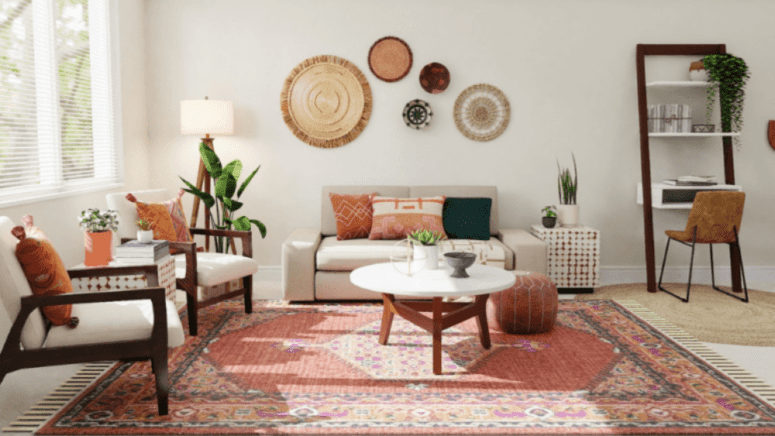
Home staging is the process of adding decor, rearranging furniture, and expertly dressing up the home to make it look appealing for listing photos and walkthroughs. It’s a marketing tactic that can make even the most dark, drab space feel bright and homey.
The reason home staging is so important is because it can turn around a sale that otherwise wasn’t moving. Considering that almost all buyers use online tools during their home search, having beautifully staged listing photos draws in more buyers and boosts interest in your home.


If you’re selling an empty home, in most cases, you or your real estate agent will need to call in a professional home stager to bring in furniture and home decor to set up the space.
If you plan to live in your home during the selling process, most real estate agents recommend using your existing furniture and home decor to keep costs low.
A top agent experienced in home staging will be able to walk into your home and help you compile a list of everything you’ll need to do to stage it effectively. They’ll also have a Rolodex of reputable professional staging companies they’ve worked with before, who can give your home a polished touch.
What does a home stager do?
A home stager is a professional who specializes in preparing residential properties for sale, ensuring they appeal to the broadest range of potential buyers. At the core of their expertise is the understanding of buyer psychology and current market trends. A stager meticulously assesses each room, decluttering and depersonalizing spaces, optimizing furniture layout, enhancing lighting, and introducing decor elements that elevate the property’s aesthetic appeal.
Their goal is twofold: to create an immediate connection for potential buyers by showcasing a home’s best features and to make spaces feel larger, warmer, and more inviting. Through these strategic transformations, a home stager ensures that a property doesn’t just get noticed, but also gets buyers excited about the prospect of living there.


Should I stage my home?
Whether or not you should stage your home depends on your selling situation. If you need to sell your home fast, you may opt to sell to an investor or house-buying company, like HomeLight Simple Sale, allowing you to forego the staging process altogether. If you’re planning to sell the traditional way, staging your home can help generate buyer interest and higher offers. Let’s break down some seller concerns that staging a home can ultimately solve.
I’m worried my home won’t sell for top dollar
NAR’s 2025 Profile of Home Staging found that 19% of potential buyers increased their offer on a home by 1%-5% because it was staged. Take the current average national home price of $410,800, for example. Based on NAR’s survey, you could make $4,108 to $20,540 more on a home that’s been staged.
What if no one comes to see my house?
NAR also reported that home staging convinced 31% of potential buyers to visit a house they had found online. That means staging your home will bring more buyers in the door.
What if potential buyers don’t get that “homey” feel?
Home staging made 83% of potential buyers more able to imagine themselves living in the house. That connection is essential to the purchase of a property; a buyer won’t put in an offer unless they feel emotionally invested in a home. Staging helps it get there.
Can I stage my own home?
Yes, but you’ll likely want some help. Even if you’re a professional interior designer, working with an expert real estate agent and professional staging company will ensure your home is staged successfully to sell.
For example, James Knurek, a top agent in Rockville, Connecticut, took on a home that had been listed previously with two other agents and had not yet sold. After putting in some serious time and updates, Knurek called in the professionals.
“We brought in a stager and did a lot of painting. The client did have a lot of nice furniture, so we did a lot of repositioning and hired a high-end photographer,” he said. “Buyers came in and said, ‘This is a showpiece home. It looks like a magazine.’”
5 advanced staging secrets for first-time home sellers
When selling your home for the first time, you need to think beyond simply tidying up. These five tips move past decluttering to focus on psychological and visual tricks that convince buyers your house is the one.
1. Curb Appeal Pro-Tip: Go Beyond the Green
The first impression happens the moment a buyer pulls up to the curb, so this is your most essential staging priority. Don’t stop at mowing the lawn — focus on specific, inexpensive upgrades that signal your home is well-maintained.
- Upgrade Your Hardware: Paint your front door a welcoming, contrasting color and replace all outdated metal fixtures. This includes the house numbers, the mailbox, and the entryway lighting fixture. These small, inexpensive swaps offer a massive return on curb appeal.
- The Power of Clean: Rent a pressure washer to quickly strip dirt, grime, and moss from your siding, front walkway, and porch. This instantly brightens the entire façade.
- Frame the Entrance: Use urns or large planters filled with colorful seasonal flowers or resilient evergreens to frame your front door. This adds immediate, high-impact color and signals a cared-for home.
2. Targeted Staging: Showcasing Function and Storage
Buyers are desperate for space and practicality, especially in functional areas. Don’t just tidy; stage these key spots to clearly define their purpose.
- Create the Home Office Nook: With remote work still prevalent, dedicate a small, clear space in a spare room or a corner of the living area to a laptop and a simple chair. This shows buyers the home’s flexibility.
- Show Off Storage Capacity: Storage space is one of the biggest motivators for a purchase. Go through your closets and cabinets and clear out up to half their contents. Then, organize what’s left using attractive, matching bins and shoe racks. A half-empty, organized closet always looks bigger than a full one.
3. The Visual Trick: Using Curtains to Fool the Eye
You can make any room feel larger and more expensive by manipulating the way drapes are hung. This is a simple staging trick that has a powerful visual payoff.
- Create Illusionary Height: Hang your drapery rods as close to the ceiling line as possible, well above the window frame. This draws the eye upward and creates the instant illusion of taller ceilings.
- Maximize Width: Choose curtains that match your wall color. This continuous color helps the wall feel wider. Ensure the drapes hang perfectly straight and just barely graze the floor; avoid letting the fabric pool or “puddle” at the bottom.
4. Advanced Sensory Staging: The Strategic Use of Aromas
Once a buyer is visually impressed, you need to make an emotional connection through scent. This requires a strategic approach — not a heavy-handed one.
- First, Eliminate Odors: Before adding any scent, thoroughly clean and eliminate any potential sources of odor (pets, lingering cooking smells, mustiness).
- Targeted Scents: Place a subtle diffuser (not a strong candle) in the entryway to create an immediate positive first impression. Use a light, neutral, universally appealing scent like vanilla, clean linen, or a hint of citrus in the main living areas. Avoid strong florals or heavy perfumes that could be off-putting.
5. The Rule of Three: Polishing with Designer Detail
Finally, give your rooms a designer polish using the Rule of Three, a simple technique for effective accessorizing.
- Vary Height and Texture: When decorating a coffee table, a fireplace mantel, or a shelf, group accessories in odd numbers, particularly groups of three.
- Create a Triangle: Place the largest item at the back and the smallest in the front to create a visually interesting triangular shape. By varying the height, texture, and color of the three items, you add professional polish and visual balance to the space.
Weigh the costs: While doing the home staging yourself can be a cost-effective step in selling your home in the current market, especially if you plan to sell FSBO, keep in mind that the costs do add up. According to NAR, the median cost for using a staging service is $1,500, while this cost is usually bundled into the services of a listing agent. When a home seller’s agent handles the staging, the price could be somewhere around $500, in part due to their established connection with professional stagers. Always consider the big picture before making a decision.
Stage your home to increase buyer interest and resale value
If you’re getting ready to sell your home but aren’t sure where to start in terms of staging, talk to your real estate agent. HomeLight can connect you with a top agent in your market who can provide you with a home staging guide specifically tailored to your space and connect you with professional staging companies who can help.
When you’re selling, the goal remains clear: You want to present your home in its best light, ensuring it resonates with potential buyers and maximizes your return on investment. Home staging can transform a property into a buyer’s dream space, often leading to increased buyer interest and potentially higher offers.
Home staging FAQ
Home staging is the act of preparing a property for sale by making it appealing to the highest number of potential buyers. This often involves decluttering, rearranging furniture, updating decor, and sometimes even minor renovations to make the home appear more modern and move-in ready.
Multiple studies and real estate professionals indicate that staged homes not only tend to sell faster than non-staged homes but can also potentially result in a higher sale price, making it a worthy investment for many sellers.
The cost of home staging varies widely based on factors such as location, size of the home, whether furniture rental is required, and the extent of services provided. While some basic consultations may cost a few hundred dollars, full-service staging for larger homes can run into the thousands.
While homeowners can certainly take steps to declutter and depersonalize their space, professional stagers bring expertise in design, market trends, and buyer psychology that can maximize the appeal of a property. For those on a budget, even a consultation with a stager to get advice and recommendations can be valuable.
What areas of the home should be prioritized for staging?
While it’s ideal to stage the entire home, if budget or time is a concern, the main living areas (living room, kitchen, primary bedroom) are often prioritized. These are the spaces buyers tend to focus on most and can greatly influence their overall impression of the property.
Article Image Source: (ErikaWittlieb / Pixabay)
At HomeLight, our vision is a world where every real estate transaction is simple, certain, and satisfying. Therefore, we promote strict editorial integrity in each of our posts.