

So Your House Is in a Flood Zone, Will Selling it Be a Nightmare?
- Published on
- 8 min read
-
 Valerie Kalfrin, Contributing AuthorClose
Valerie Kalfrin Contributing Author
Valerie Kalfrin, Contributing AuthorClose
Valerie Kalfrin Contributing AuthorValerie Kalfrin is a multiple award-winning journalist, film and fiction fan, and creative storyteller with a knack for detailed, engaging stories.
-
 Alexandra Lee, Associate EditorClose
Alexandra Lee Associate Editor
Alexandra Lee, Associate EditorClose
Alexandra Lee Associate EditorAlexandra is an associate editor of HomeLight.com. Previously, she served as a writer and social media manager at Santa Barbara Life & Style Magazine, in addition to interning at the nonprofit honors society Phi Beta Kappa. Alexandra holds a bachelor's degree in communication and global studies from UC Santa Barbara, and she has three years of experience reporting on topics including international travel, luxury properties, celebrity interviews, fine dining, and more.
Sometimes selling a home seems straightforward until you remember buyers aren’t just looking at the house itself. They’re also thinking about the risk that comes with it. That’s especially true for homes in flood zones, where insurance costs, disclosures, and lender rules can quickly change how people see your listing. What starts off feeling like a normal sale can suddenly turn into a bunch of unexpected hurdles. How hard is it to sell a house in a flood zone?
The answer isn’t the same for every home. It comes down to timing, pricing, and how your property compares to others on the market. The good news is that plenty of homes with “complications” still sell every day.

Partner with a Top Agent to Sell Your House In a Flood Zone
If you’re selling a house in a flood zone, consult with a top local real estate agent about your options and the best way to proceed.
Whether your home has always been in a flood zone or just recently got reclassified, there are still clear ways to navigate the process. From pricing it right to handling disclosures and talking through flood insurance, a few smart strategies can make a big difference in how smoothly your sale goes.


Know flood zone variances and insurance basics
Flood zone variances might sound technical, but they just explain why some properties in flood areas are treated a little differently than others. They’re tied to maps and rules set by the Federal Emergency Management Agency (FEMA) and can affect things like what you’re allowed to build and how much you’ll pay for flood insurance.
Once you understand the basics, it gets a lot easier to avoid surprises and make sense of what you’re seeing in listings or insurance quotes.
Flood zone tiers
- High-risk flood zone (Special Flood Hazard Area or SFHA): If your home is in this category on the Federal Emergency Management Agency (FEMA) map, it usually starts with an “A” or “V.” For homeowners, this is the zone where lenders typically require flood insurance, and premiums can be significantly higher because there’s about a 1% chance of flooding in any given year (often called the “100-year flood” standard).
- Moderate flood risk: These areas are labeled as Zone B or shaded Zone X. You’re not required to carry flood insurance by most lenders, but flooding can still happen—FEMA estimates about a 0.2% annual chance (the “500-year flood” level), which means it’s rare but not impossible. Many homeowners here still choose to buy insurance for peace of mind.
- Minimal flooding risk: These are Zone C or unshaded Zone X areas. For homeowners, this usually means flood insurance isn’t required and risk is considered low under FEMA maps. That said, it doesn’t mean “no risk,” just that flooding is less likely compared to higher-risk zones.
Flood insurance
If your home sits in a high-risk flood zone, storm season comes with more than just stress about water damage. You’re probably also carrying flood insurance on top of your standard homeowners policy.
A lot of homeowners get that coverage through the National Flood Insurance Program (NFIP), a federally backed program managed by FEMA, covering about 5 million policyholders in the U.S.
If you live in a high-risk flood zone, you have at least a 1 in 4 chance of flooding during a 30-year mortgage. Under federal law, if your home is in a high-risk flood area and you have a mortgage from a federally backed or regulated lender, which includes most major banks, you’re required to carry flood insurance.
That said, lenders can still choose to require flood insurance even if your home is in a lower-risk area. It really depends on their own rules and risk assessment.
How much does flood insurance cost? On average, flood insurance through the NFIP costs a little over $1,100 a year. Private flood insurance can vary more widely, typically ranging anywhere from about $600 up to $2,800 annually for residential coverage.
In some flood-prone areas, homeowners have seen insurance costs rise significantly over the past couple of decades. In places affected by major weather events like hurricanes, premiums in some cases have more than doubled depending on changes in risk and location.
“I have seen premiums that range anywhere from $3,000 to up to $7,000,” depending on the flood zone where your home is located, said Ariel Pena, a top real estate agent in New York City.
The NFIP bases its insurance policies on factors such as a building’s elevation, age, and amount of coverage and deductible. In general, owners of homes closer to water and homes that are more expensive to rebuild can expect higher premiums.

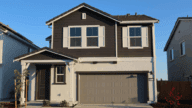
Get the certificate of elevation and do a little legwork
A buyer’s lender or insurance company may ask for an elevation certificate, which basically shows how your home sits compared to potential flood levels, like whether it would be above expected floodwaters or at risk of getting hit. Insurance companies use this to figure out how much flood insurance will cost.
One option as a seller could be to go ahead and order an elevation certificate from your local floodplain manager proactively, Pena suggests. From there, you could shop it around to a few different insurance companies to get a few quotes for the new buyers to stay ahead of the game.
Help your new buyers foot the insurance bill
It’s not uncommon for sellers to offer their buyers a one- to two-year home warranty to cover unexpected issues with major systems and parts of the home once the buyer moves in. In the same way, some sellers may also help offset flood insurance costs for the first year, either by lowering the purchase price a bit or giving the buyer a credit at closing to make the deal more appealing.
Be upfront about your home’s flood risk
Disclosure rules vary from state to state, but most sellers are required to be honest about anything that could affect a home’s safety or value. That usually means filling out a standard form and noting issues like past flooding or whether the property is in a flood zone. It’s all about giving buyers a clear picture before they make an offer.
The Illinois Residential Real Estate Disclosure Report, for example, lists the following disclosures related to flooding and flood zones:
- I currently have flood hazard insurance on the property (Yes/No/NA)
- I am aware of flooding or recurring leakage problems in the crawlspace or basement. (Yes/No/NA)
- I am aware that the property is located in a flood plain. (Yes/No/NA)
Talk to a top local agent about your own state’s disclosure rules. But remember that the general rule is that you should never hide material facts about your house from buyers, regardless of state laws, including its flood zone status or insurance requirements.
“It’s better for everybody just to disclose,” says Pena.


Adjust your pricing based on your flood zone status
Your home’s location in a flood zone should be reflected in your pricing strategy. Generally, a house outside of the floodplain that doesn’t require insurance is going to be worth more.
One study that evaluated home values in New York City after Hurricane Sandy found that low-end properties up to $284,921 decreased by 15.8% in value when newly placed in a flood zone. However, the impact was minimal for higher-end properties.
But every situation is unique, so talk to your agent about how to set an attractive list price to get buyers through the door.
“It makes a difference for you to ask for, let’s say, $500,000 for a single-family home when you don’t need flood insurance versus, well, this will need flood insurance, but we’re pricing it in the mid $400,000’s,” said Pena. “It’ll move quicker.”
It’s helpful to compare your home to recent, similar sales in the same area so you’re not guessing at the price. Ideally, you want comps that share the same flood zone designation, since flood risk can directly affect what buyers are willing to pay. Looking at these “like-for-like” sales helps you avoid pricing your home too high compared to what the market is actually supporting.
Make improvements to reduce flood risk and keep premiums down
You may be able to bring down your flood insurance costs by making upgrades that reduce your home’s risk of flooding. Here are a few common ways homeowners do that:
Install flood vents in the crawl space
Standing water can damage your foundation, which may lead to costly repairs. To prevent this, install crawl space vents to let water flow in and out instead of getting trapped under your home. Take note of government rules for installing them properly. For one, the vents need to be placed below the expected flood level, and your crawl space has to have at least two openings.
Relocate utilities
Consider relocating utilities such as a heat pump to an attic or an elevated platform, which may save you and your future buyers from an additional flood insurance surcharge. It makes the home more appealing since important systems are less likely to get damaged during a flood. Plus, it can reduce potential downtime after a storm, since critical equipment is better protected and easier to access for repairs.
Elevate the home
This isn’t always feasible depending on where you live, but elevating a home above the base flood level can sometimes lead to lower flood insurance costs. In some cases, raising a structure even slightly above that threshold may result in noticeable savings on premiums. That said, it’s a major project that can be quite expensive, ranging from $20,000 to $80,000, so it usually only makes sense in higher-risk situations or long-term plans.
»Learn more: Homes located in the flood zone often come with extra buyer hesitation right from the start. Use the Buyer Fear Finder Widget to uncover potential deal-breakers early so you can address them upfront and put your home in a stronger position when it hits the market.
Check your community’s CRS rating
One often-overlooked advantage for homes in flood zones is whether the community participates in FEMA’s Community Rating System (CRS). This program rewards cities and counties that take extra steps to reduce flood risk, like improving drainage systems or enforcing stronger building codes. The better a community’s CRS rating, the more residents may save on flood insurance premiums.
As a seller, it’s worth checking your local CRS score because it can be a real selling point for buyers worried about ongoing costs. You can also encourage neighbors and local groups to support flood mitigation efforts, like clearing drainage paths or backing city improvements, since community-wide action can help improve CRS ratings over time.
Even a small insurance discount can make your home more attractive compared to similar properties nearby. Highlighting this upfront can help reduce buyer hesitation and make your listing stand out.
Mention if your home has never flooded before
Homeowners are legally entitled to a free report every year from the Comprehensive Loss Underwriting Exchange. This report shows homeowners’ past seven years of insurance claims history. You can request a copy either online or by calling 866-897-8126.
If you’ve had flood insurance but haven’t had to tap into it, this can help put buyers at ease. “It’s something that, when a buyer is hesitant, could be brought up,” Pena said.


Examine other ways to reduce your flood risk
If you have historical property or can’t elevate your home, FEMA offers detailed guides on other ways to protect it from flooding. A good place to start is the Homeowner’s Guide to Retrofitting and Reducing Flood Risk to Residential Buildings That Cannot Be Elevated, which also covers townhomes, rowhouses, brownstones, and mid-rise buildings.
One option these guides talk about is dry floodproofing. This means sealing up a building so water can’t get inside during a flood. It uses things like waterproof coatings, sealed walls, and watertight doors to keep water out.
Sell as is and attract cash buyers
Selling in a flood zone comes with the risk of the deal falling through, the hassle of making repairs and modifications, and the uncertainty of finding a willing buyer. If you want to skip these inconveniences, focus on attracting investors.
These buyers are often open to purchasing homes as-is, which means you don’t have to spend time or money fixing everything before listing. They’re also often cash buyers who are less affected by financing and insurance hurdles that can slow down traditional sales.
Pricing your home realistically and being upfront about flood-related details can help attract the right interest faster. Many investors are looking for properties with long-term potential, even if they need a little work upfront. With the right approach, you can simplify the process and still get a competitive offer.
HomeLight’s Simple Sale connects you with pre-vetted cash buyers so you can skip the listing process altogether. You can compare a no-obligation cash offer with what you might get on the open market and choose what works best for your situation. It’s a faster, more straightforward option if you’re looking to move on without the usual stress of repairs, showings, or negotiations.

Selling a House in a Flood Zone?
Sell when you’re ready without the hassle of paying for repairs, prepping for listing, or dealing with showings. HomeLight provides all-cash offers for homes in almost any condition nationwide through our Simple Sale platform.
Selling your home in a flood zone: You’ve got options
If your home is in a flood zone, chances are buyers already know that going in when they’re looking in your area. Some won’t mind the extra costs, while others may be more hesitant. That’s why this isn’t something you want to navigate on your own.
Working with a real estate agent who understands flood zones and insurance can make a meaningful difference in how your home is positioned and perceived in the market. They can help you highlight the features that work in your favor, not just the factors that may seem like drawbacks.
Ultimately, your home isn’t defined by its flood zone. It’s defined by the full picture buyers see when it’s presented the right way. Partner with a proven real estate agent today using HomeLight’s Agent Match tool.
Header Image Source: (Zyankarlo / Shutterstock)
At HomeLight, our vision is a world where every real estate transaction is simple, certain, and satisfying. Therefore, we promote strict editorial integrity in each of our posts.