
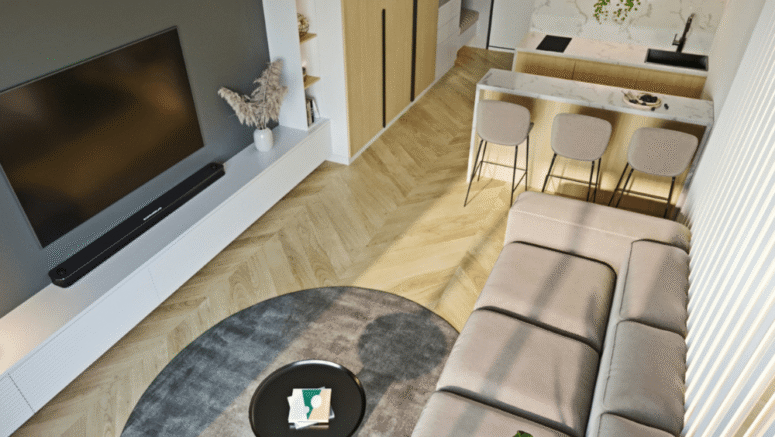
How Important is Flooring When Selling a House?
- Published on
- 8 min read
-
 Meaghan Hunt, Contributing AuthorClose
Meaghan Hunt Contributing Author
Meaghan Hunt, Contributing AuthorClose
Meaghan Hunt Contributing AuthorMeaghan Hunt is a writer and editor based in Oklahoma City. She has over a decade of experience writing and editing for the web, magazines, and print publications, and has spent the last several years focused on personal finance topics including real estate. She is a contributing writer for HerMoney Media. Hunt holds an MLIS degree and believes in empowering homebuyers and sellers by connecting them with accessible, digestible, and authoritative information.
-
Richard Haddad, Executive EditorClose
Richard Haddad Executive Editor
Richard Haddad is the executive editor of HomeLight.com. He works with an experienced content team that oversees the company’s blog featuring in-depth articles about the home buying and selling process, homeownership news, home care and design tips, and related real estate trends. Previously, he served as an editor and content producer for World Company, Gannett, and Western News & Info, where he also served as news director and director of internet operations.
You’re standing in your home when your attention suddenly drops to the floors: the worn spot by the entry, the slightly flattened hallway carpet, the tile grout that’s darkened over time. None of it felt like a big deal when you were just living there day to day. But the moment selling enters the picture, those small details start to feel more noticeable. That’s when the question naturally comes up: how important is flooring when selling a house?

Connect with a Top Agent
Our data shows the top 5% of agents across the U.S. help clients sell their home for as much as 10% more than the average real estate agent. It takes just two minutes to match with the best real estate agents, who will contact you and guide you through the process. To connect with an agent, simply tell us a little bit about your property and how soon you’re looking to sell.
Buyers may not always call it out directly, but flooring is one of the first things they register when they walk in. It helps shape their sense of how “move-in ready” a home feels, even before they look at anything else. For sellers, that means what’s underfoot can quietly influence how quickly (and how well) a home sells.


How important is flooring when selling a house?
Flooring matters more when selling a house than a lot of homeowners realize because it shapes that first impression and how “taken care of” the home feels. Buyers tend to look at floors as a quick clue for how well the rest of the house has been maintained.
From a return on investment (ROI) standpoint, hardwood upgrades usually recoup up to 118% of their cost, depending on the market and materials. Even more affordable options like laminate or luxury vinyl plank can still bring solid ROI, often in the 60% to 80% range, while making the home more appealing overall.
As Giglio-Vakos puts it, “Your ROI on [flooring improvements] will far outweigh anything else that you could do in the home when getting ready to sell,” says Real Estate Broker Melanie Giglio-Vakos, founder and president of Team MVP in Chicago.
It can be tempting to skip the upgrade and just offer a flooring allowance to buyers instead, but tackling the work before listing is usually the stronger move. Giglio-Vakos likens new flooring to staging because it helps buyers connect emotionally with the space right away.
As she further explains, “People need to see what they’re going to get versus imagining what they’re going to get,” and flooring plays a huge role in shaping that first impression of the home.
How much home value does flooring add, and which rooms matter?
Homes with updated flooring can also sell for about 2% to 5% more compared to similar homes with older or worn floors. Since flooring takes up so much visual space, even simple upgrades can go a long way in boosting perceived value and helping a listing stand out.
When selling, knowing what improvements will guarantee a strong ROI is crucial. You want to ensure that buyers have a good feeling about your property from the start, says Giglio-Vakos. “If your floors are not in good shape, a buyer may think about what else may be wrong with the home.”
Well-kept floors give buyers the impression that the whole home has been cared for. But are there certain rooms where that impression hits harder than others?
Most important floor spaces for buyers
- Entryway: A buyer establishes their first impression between the curb and the entryway, so these are areas worthy of your most significant investments. Whether your main entrance is into the home’s kitchen, living space, or a mudroom, consider new or refurbished flooring in this space.
- Main living areas: Where do you spend the most time? Is there a great room or a combined kitchen-living space? Giglio-Vakos says these will make or break a buyer’s impression. “Many people don’t care to have carpeting in those main areas,” she explains, adding that carpet may be acceptable for lower-traffic zones of the home.
Less important floor spaces for buyers
- Bedrooms: Buyers may be more accepting of low-cost flooring options in areas like bedrooms that won’t be the focal point of your home. In spaces like these, be sure to refinish and even replace if necessary, but consider spending most of your budget elsewhere.
- Laundry and utility rooms: You may not see these floors every day of the week. They’re not as high-visibility as, say, a kitchen or living room. If you must pass these spaces over or negotiate a flooring allowance for the buyer, consider doing so here.
- Guest bathrooms: Similar to laundry and utility rooms, guest baths may see less use than other zones of the house. For this reason, you may consider spending your flooring budget in other areas.
How much does new flooring cost?
Installing new flooring for a 500-square-foot home typically runs anywhere from about $1,500 to $4,900, with the average landing around $3,160 (roughly $12.50 per square foot). The final cost can vary depending on things like the size of the space, the type of flooring you choose, and local labor rates.
But cost is only part of the equation. What really matters is how much value that investment can bring back when you sell. Not all flooring types deliver the same return, so it’s important to understand that some upgrades will pay off more than others.
Different flooring materials can cost a lot more or less than each other, and those differences can really add up depending on what you choose. Read our blog What Kind of Flooring Increases Home Value to compare your options and figure out which upgrades make the most sense for your budget and sale price.
What kinds of floors help sell homes?
Hardwoods are the traditional showstopper and are sure to catch a buyer’s attention. The National Association of Realtors (NAR) backs this up, as new wood flooring scored a 9.1 Joy Score in its Remodeling Impact Report, showing just how much homeowners love the upgrade.
In addition to being a go-to, hardwood flooring can be stained and refinished repeatedly to keep with the decor of the home and to suit future buyers’ tastes.
Refurbished hardwoods are a fantastic investment if you have flooring that could just use some elbow grease to restore. “If you do have real hardwood, getting it refinished is such a low cost,” says Giglio-Vakos. She advises that at an average of $3 to $8 per square foot for refinishing, the ROI is reliable and often significant.
Engineered wood flooring is another option because it gives you that real hardwood look without being as high-maintenance. It’s built in layers, which makes it more stable and less likely to warp or swell when humidity changes.
This makes it a solid choice for places like basements or homes in climates with bigger temperature swings. Engineered wood also tends to cost less than solid hardwood while still looking pretty high-end. Consult your Realtor before making such an investment.
What kinds of floors hurt home sales?
Not all flooring helps a home sell. Some choices can actually turn buyers off or make the space feel less cohesive. Here’s what tends to hurt home sales when it comes to floors:
- Old or worn-out floors (even hardwood): Even hardwood can drag down a home’s appeal if it looks scratched, faded, or poorly maintained. Buyers often see it as a sign there may be other upkeep issues too.
- Too many flooring types mixed together: Constantly switching materials from room to room can feel choppy and make the home seem smaller or less connected. A more consistent look usually feels cleaner and more intentional.
- Bold colors or heavy patterns: Loud designs can limit buyer interest because most people struggle to picture themselves living with them. Neutral, simple flooring tends to have broader appeal.
- DIY flooring projects: While DIY can be great for many upgrades, flooring is one area where mistakes are easy to spot and hard to fix. Poor installation can hurt your return, so professional work usually pays off here.
Which floors are more affordable but will still help a home sell?
Hardwoods are not the only flooring option that can help you sell a home. Faux-wood vinyl is an attractive option for many prospective buyers. Floors that mimic wood invite the same look, warmth, and easy maintenance of hardwood without the high cost, so these are especially solid to consider if you are working on a tight budget.
Other flooring types to consider when you are looking to sell include:
- Vinyl flooring (including linoleum): Vinyl is popular because it’s affordable, holds up well over time, and doesn’t require much maintenance. It’s a practical choice that still looks clean and modern in most homes.
- New or refreshed carpet: Although typically perceived as dated, carpet can still add value when it’s new and well-kept, especially in bedrooms where comfort matters most. Just keep in mind that some buyers may have allergy concerns.
- Laminate flooring: Laminate is a solid, budget-friendly option because it resists scratches, fading, and everyday wear and tear. It’s also easy to clean, which buyers appreciate.
- Pergo flooring: Pergo can be a great middle ground that mimics the look of hardwood at a lower cost when installed properly. As Giglio Vakos notes, “When you have the right installer, [it can] possibly look like a beautiful hardwood floor and be extremely inexpensive.”
Should I replace the carpet before I list my home?
Carpeting is not a death nail in the listing potential of your home, though dirty or dated carpet most certainly could be. “When you are walking into a bedroom with stains all over the carpet,” says Giglio-Vakos, “even if it’s a really big bedroom, people are turned off by that.”
Be smart about where you spend and where you save when it comes to flooring. And no matter what you pick, don’t cut corners on installation or upkeep. It makes a bigger difference than people think.
Carpet is usually the cheapest option, averaging $3 to $11 per square foot, while hardwood can run anywhere from $6 to $25 per square foot. So if you’re working with a tighter budget, think about which rooms will actually give you the biggest bang for your buck when it comes to ROI.
“When (carpet) is laid down properly, it will always look a thousand times better than a worn-out hardwood floor,” advises Giglio-Vakos, stressing that buyers are looking for crisp spaces. “People like to feel like it’s a fresh, clean home.”
What floor colors are in for 2026?
Floor color trends in 2026 are leaning toward shades that feel current right now but won’t look dated a few years down the line. Instead of bold or overly trendy finishes, homeowners and buyers are gravitating toward tones that strike a balance between modern appeal and long-term staying power.
The goal is to choose colors that feel fresh today while still working in a wide range of future design styles. Here are some of the top floor colors that are popular now and still considered timeless:
- Warm light oak: This soft, natural wood tone is popular because it brightens a space while still feeling classic and inviting.
- Honey blonde: Honey blonde flooring adds warmth and richness that feels current, but its natural wood undertones help it remain a safe, timeless choice.
- Natural beige wood: Beige wood tones are trending for their soft, neutral look that works with today’s minimalist styles and continues to age well over time.
- Soft greige (gray-beige mix): Greige floors are popular right now for their modern, updated feel, while still being neutral enough to avoid falling out of style quickly.
- Light ash gray: Light ash gray continues to trend in contemporary homes, but its subtle, muted tone helps it maintain a timeless, adaptable look.
Does flooring affect home appraisal?
Yes, flooring can definitely affect a home appraisal, even if it’s not the only thing appraisers are looking at. Clean, updated, and well-maintained floors can help support a higher value because they signal the home has been taken care of overall.
On the flip side, old, damaged, or outdated flooring can bring the value down since it hints at repair costs a buyer might have to deal with, and sometimes even safety concerns. For example, warped or buckling floors can be a red flag for possible water damage or other bigger issues underneath. Appraisers aren’t just looking at style, but condition plays a big role.
That said, flooring upgrades alone usually won’t make a huge jump in value unless they’re part of other improvements too. Still, having solid, neutral, well-kept floors can help your home compare more favorably to similar listings.
Enter a few details about your home and we’ll provide you with a preliminary estimate of home value in less than two minutes. This won’t be a guarantee of what your home will sell for, but it is a helpful starting point.
Get a Free Home Value Estimate
What flooring do the experts recommend, whether I am selling or not?
Whether you’re selling soon or staying put, it helps to keep your flooring as consistent as possible throughout the home. Of course, just because carpet works in the bedroom doesn’t mean it’s the right pick for the dining room, but overall, a more uniform look can make the space feel more connected and help when it’s time to sell.
Even if you’re planning to stay for years, taking care of your floors is still worth it. It keeps your home looking good and can help protect its long-term value. Plus, well-maintained floors can cut down on things like dust, allergens, and moisture issues like mold.
Clean, well-kept floors really do leave a better impression and can boost your home’s appeal when it hits the market. Just stick with practical choices (no carpet in bathrooms), keep things tidy, and aim for a consistent look where it makes sense. Small choices like that can make a real difference when selling for top dollar.
Keep in mind that what buyers prefer can change depending on your region, climate, and current market trends.
For the most up-to-date insight on what buyers actually want, it’s a good idea to talk to a trusted local real estate agent. They can help you figure out which flooring upgrades are worth it and how to get the best return on your home.
Header Image Source: (Влад Хмара / Unsplash)
At HomeLight, our vision is a world where every real estate transaction is simple, certain, and satisfying. Therefore, we promote strict editorial integrity in each of our posts.