
What’s on the Rhode Island Seller Disclosure Form?
- Published on
- 6 min read
-
 Joseph Gordon EditorClose
Joseph Gordon Editor
Joseph Gordon EditorClose
Joseph Gordon EditorJoseph Gordon is an Editor with HomeLight. He has several years of experience reporting on the commercial real estate and insurance industries.
You know your Rhode Island home better than anyone, warts and all. If you’re making plans to sell, you may be wondering how much you need to reveal on the Rhode Island seller disclosure form, officially known as the Rhode Island Real Estate Sales Disclosure Form.
This form gives potential buyers a better picture of your property’s condition and history so they can make a more informed decision, but it can also protect you from any potential legal hiccups that could arise from failing to disclose information about the property.
In this post, we’ll tell you what to expect, how much detail to provide, and what could go wrong if you leave something out. We’ll also provide a downloadable Disclosure Litmus Test to help you identify any red flags.

What's Your Rhode Island Home Worth?
Get a near-instant real estate house price estimate from HomeLight for free. Our tool analyzes the records of recently sold homes near you, your home’s last sale price, and other market trends to provide a preliminary range of value in under two minutes.
What is the Rhode Island seller disclosure form?
The Rhode Island seller disclosure form, or Rhode Island Real Estate Sales Disclosure Form, is a document developed by the Rhode Island Association of Realtors. It’s designed to help you disclose any known issues or facts about your home that could impact its value or a buyer’s decision to proceed.
Rhode Island law requires sellers to disclose all material facts — in other words, anything that could impact the buyer’s use or enjoyment of the property. The Rhode Island Real Estate Sales Disclosure Form serves as a guide to help you complete this process thoroughly. It covers everything from structural issues and past repairs to neighborhood conditions and HOA rules.
Note: Even if you’re selling a home “as is” in Rhode Island, you’re still required to be truthful and transparent about what you know.
What’s included in the Rhode Island seller disclosure form?
Below is a section-by-section summary of what you’ll be asked to disclose when selling a home in Rhode Island. This list will be an overview of the things you can expect to see on your disclosure form, but your actual form may differ.
Major systems and components
Roof age/condition
Fireplaces and stoves
Heating system details and any defects
Underground storage tanks (status, testing, documentation)
Hot water system
Plumbing type and issues
Electrical system and wiring type
Solar equipment (owned or leased)
Air conditioning type
Insulation in walls, ceilings, and floors
Utilities
Sewer and water
Public or private sewer; septic/cesspool details and maintenance
Public or private water; well depth, testing, and water quality
Any filtration or treatment systems
Municipal information
Local requirements and property records
Property tax and fire district tax
Surveys, easements, encroachments, or restrictions
Deed type
Zoning classification, permits, historic district status
Building permits and any code violations
Floodplain status and any elevation certificates
Wetlands determination
Condo or multi-unit information
(If applicable)
Monthly condo fees and assessments
Rental info: leases, income, deposits
Number of legal units
Notices and disclosures
Environmental and safety items
Pool info and permits
Lead paint reports (for pre-1978 homes)
Smoke and carbon monoxide detectors
Radon tests or mitigation
Known mold conditions
Homeowners insurance claims
Structure checklist
Basement, foundation, walls, floors, ceilings
Chimneys, doors, windows
Driveway, sidewalks, fences
Equipment and appliances
Items included in the sale (e.g., appliances, HVAC equipment, security systems, generator, sump pump)
Conditions
Issues such as asbestos, drainage, soil movement, settling, prior fire damage, flooding, wood rot, or pest activity
Any structural repairs or remaining service contracts
Other conditions and factors
This is an open-ended section where you can disclose anything not already covered that might affect the home’s value or a buyer’s decision, such as past insurance claims, neighbor disputes, or unusual property quirks.
Additional explanations
This is a freeform space to clarify any earlier answers or provide details that didn’t fit elsewhere. If you marked “yes” to something earlier in the form, this is your opportunity to explain it fully.
Download and print our Disclosure Litmus Test
Use this link to download a printable checklist (62KB) to prepare for completing the Rhode Island seller disclosure form. The questions on this Seller Disclosure Litmus Test reflect the types of details and issues you may need to reveal about your home — and what buyers expect to know.
Check off anything that applies to your Rhode Island property. If you’re unsure about something, make a note to ask your real estate agent or investigate further. The goal is to help you think through what needs to be documented and disclosed during the sale process.
What is not required to be disclosed? Rhode Island law does not require you to disclose if someone died in the home, disclose neighborhood rumors, supposed paranormal activity, or personal reasons for selling, unless you are directly asked and your answer could be misleading.
HomeLight’s free Agent Match platform can connect you with a top-performing agent in your market who can help you navigate your entire home-selling journey — from disclosures to closing.
Find a Top Agent to Help You Navigate Disclosures
Common mistakes sellers make on the disclosure form
Here are some of the most common missteps sellers make when filling out the Rhode Island Real Estate Sales Disclosure Form:
- Checking “yes” without providing an explanation: If you check a yes box that includes an “Explain” line, not providing the details could delay your home sale.
- Guessing instead of explaining: If you’re not sure about something, don’t make assumptions — just state that you don’t know or elaborate.
- Failing to attach supporting documents: Inspection reports, permits, repair invoices, and warranties help verify your disclosures.
- Not disclosing repaired issues: Even if you’ve fixed a problem listed on the form, like a roof leak or plumbing issue, it still needs to be reported.
- Minimizing or softening the truth: Downplaying a defect can open you up to legal risk if the buyer later discovers the issue was worse than described.
What if you fail to disclose something important?
If you fail to disclose a known material fact about your Rhode Island home, the buyer may have grounds to cancel the contract or sue you after the sale. In some cases, nondisclosure can be treated as fraud under Rhode Island law, especially if the omission appears intentional. Being upfront now helps prevent bigger headaches later.
When and how buyers review the disclosure
Under Rhode Island’s standard purchase contract, you’re expected to provide a completed Rhode Island Real Estate Sales Disclosure Form within a few days days of contract acceptance. The buyer then has a set review period, usually 10 to 14 days, to examine the form and decide whether to move forward, request repairs, or cancel the deal.
Partner with a top Rhode Island agent to protect your sale
Disclosing your home’s condition is one of the most important — and legally sensitive — parts of the selling process in Rhode Island. A top local agent can help you understand what’s required, avoid common pitfalls, and provide expert guidance so you can complete the Rhode Island Real Estate Sales Disclosure Form accurately and confidently.
Unsure where to start? HomeLight’s free Agent Match platform connects you with trusted real estate agents in your Rhode Island market. We analyze over 27 million transactions and thousands of reviews to determine which agent is best for you based on your goals and selling timeline.
See the top real estate agents in 10 Rhode Island markets:
- Top real estate agents in Providence
- Top real estate agents in Cranston
- Top real estate agents in Warwick
- Top real estate agents in Pawtucket
- Top real estate agents in East Providence
- Top real estate agents in Woonsocket
- Top real estate agents in Cumberland
- Top real estate agents in Coventry
- Top real estate agents in Johnston
- Top real estate agents in West Warwick
If you’re buying and selling at the same time, check out HomeLight’s Buy Before You Sell program, which can streamline the entire process so you only move once. Watch this short video to see how it works.
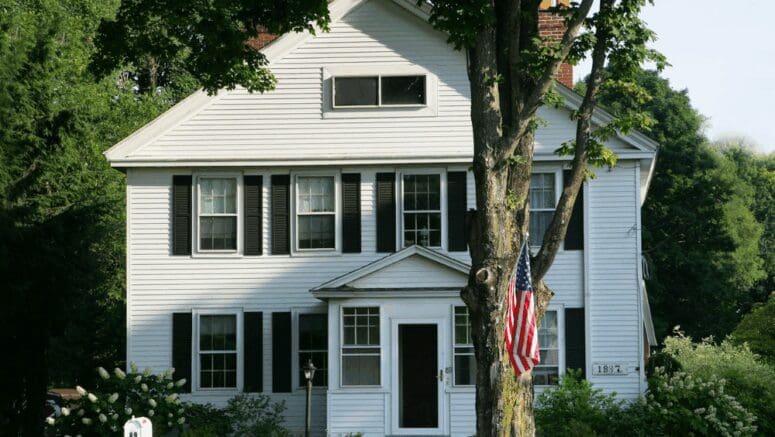
Header Image Source: (David Trinks / Unsplash)
At HomeLight, our vision is a world where every real estate transaction is simple, certain, and satisfying. Therefore, we promote strict editorial integrity in each of our posts.