
How to Time Your Home Sale to Avoid Overlapping Mortgages
- Published on
- 9 min read
-
 Richard Haddad Executive EditorClose
Richard Haddad Executive Editor
Richard Haddad Executive EditorClose
Richard Haddad Executive EditorRichard Haddad is the executive editor of HomeLight.com. He works with an experienced content team that oversees the company’s blog featuring in-depth articles about the home buying and selling process, homeownership news, home care and design tips, and related real estate trends. Previously, he served as an editor and content producer for World Company, Gannett, and Western News & Info, where he also served as news director and director of internet operations.
To buy and sell a home without overlapping mortgages is a balancing act many sellers face. In most cases, homeowners making a move rely on strategic timing and a bit of luck. Fortunately, new solutions are available that add more certainty and peace of mind.
In this guide, we’ll provide traditional and modern strategies to help you overcome this buy-sell conundrum. We’ll review your options and show you how to minimize stress and achieve a seamless transition to your new home.

Yes, You Can Buy Before You Sell. Why Move Twice?
Through our Buy Before You Sell program, HomeLight can help you unlock a portion of your equity upfront to put toward your next home. You can then make a strong offer on your next home with no home sale contingency.
Why timing matters: Avoiding overlapping mortgages
While most people would prefer to buy a new home before selling their old one, paying two mortgages can quickly deplete savings and create anxiety. Timing your home sale correctly allows you to avoid this financial burden.
Feeling the pressure of two mortgage payments can also weaken your negotiating position, potentially forcing you to accept a lower offer on your old home or overpay for your new one.
In addition to money worries, poor timing also creates logistical nightmares, such as needing temporary housing, paying for storage, and having to make a double move. Let’s look at your options, including new solutions you may not be aware of.
Understanding your options: Sell first vs. buy first
To avoid overlapping mortgages, sellers have two traditional strategies: selling their current home first or buying a new one before selling. Each path has distinct advantages and risks related to your finances and local market conditions. Working with an experienced real estate agent is the best way to work through and compare these options.
- Selling First: This is the most financially conservative approach. By selling your current home first, you eliminate the risk of carrying two mortgages and know exactly how much equity you have for your next down payment. The main drawback is the potential need for temporary housing if you can’t find and close on a new home quickly, leading to the cost and hassle of moving twice.
- Buying First: This strategy offers a more convenient transition. You can search for the perfect home without pressure and move at your leisure. The significant risk is financial; you will be responsible for two mortgages until your previous home sells. This requires substantial cash reserves and meeting stringent lender requirements.
Eliminate double mortgage stress with a buy-before-you-sell program
If you’re trying to buy and sell a home in today’s uncertain market, there are new programs that can help you avoid paying two mortgages while streamlining the entire process. One of the most popular options is HomeLight’s Buy Before You Sell program. This innovative solution allows you to access the equity in your current home before it sells, enabling you to make a strong, non-contingent offer on your next home.
Here’s how HomeLight Buy Before You Sell works
This modern program gives you the flexibility to move on your timeline and then sell your previous home after you’ve moved out. You also gain peace of mind with HomeLight’s Home Sale Guarantee, a backup cash offer for your old home, providing a safety net if it doesn’t sell quickly on the open market.
Visit homelight.com/buy-before-you-sell or call 888-688-0350 to learn more.
Bridge loans: Another option to buy and sell a house simultaneously is a bridge loan. This is a short-term loan that uses the equity in your current home as collateral to provide you with the funds needed for the down payment on your next home. Bridge loans typically carry higher interest rates and origination fees compared to traditional long-term mortgages.
Lender requirements when carrying two mortgages
Navigating lender requirements when carrying two mortgages involves demonstrating strong financial stability by meeting strict criteria for your debt-to-income (DTI) ratio, cash reserves, and providing extensive documentation. Lenders will scrutinize your finances to mitigate risks. They need absolute confidence that you can handle the increased debt load.
- Debt-to-Income (DTI) ratio: Lenders will calculate your DTI ratio to ensure you can comfortably manage payments on both mortgages simultaneously. Many lenders will not approve a second mortgage if the combined payments push you over their established limit.
- Cash reserves: Lenders commonly require you to have several months’ worth of payments (PITI – Principal, Interest, Taxes, Insurance) in accessible cash reserves for both properties. The typical requirement is between two and six months of PITI, as noted by industry sources, such as Freddie Mac.
- Documentation: Be prepared to provide extensive financial documents to prove your financial stability, including recent pay stubs, tax returns, and bank statements.
Solutions like HomeLight Buy Before You Sell can help mitigate these lender concerns by structuring the transaction to avoid the need for you to carry two traditional mortgages at once.




As you buy and sell a home, consider your selling costs
Regardless of which option you choose when planning to buy and sell a home, it’s helpful to estimate your seller closing costs and proceeds. Sellers can typically expect to pay 1%-3% of the home’s sale price in closing costs. These fees cover expenses like title insurance, transfer taxes, and attorney fees. You’ll also want to factor in real estate agent commissions, which usually average 5%-6% of the sale price, split between the listing agent and the buyer’s agent.
To get a rough estimate of your seller closing costs and sale proceeds, try our closing cost calculator below.
How Much Is Your Home Worth Now?
Home values have rapidly increased in recent years. How much is your current home worth now? Get a ballpark estimate from HomeLight’s free Home Value Estimator.
FAQ: Timing Your Home Sale to Avoid Overlapping Mortgages
What is a Home Sale Contingency?
A home sale contingency is a clause in a purchase agreement that allows a buyer to make an offer on a new home while still needing to sell their current one. It states that the buyer’s purchase is only finalized if their existing home sells by a specified deadline. If the home doesn’t sell in time, the buyer can typically cancel the contract without penalty. This protects the buyer financially but can make their offer less competitive in markets where sellers prefer faster, more certain deals.
What is an appraisal contingency?
An appraisal contingency is a clause in a purchase contract that protects the buyer if the home appraises for less than the agreed-upon purchase price. If the appraisal comes in low, the buyer can renegotiate, ask the seller to adjust the price, or cancel the contract without penalty. This contingency helps ensure the buyer doesn’t overpay or take on financing they can’t secure.
What is a Rent-Back Agreement (Post-Closing Occupancy)?
A rent-back agreement allows a home seller to remain in the property for a set period after closing while paying rent to the buyer, who is now the new owner. This short-term arrangement gives the seller extra time to move, line up their next home, or complete a new home purchase. Rent-back periods are typically outlined in a written agreement that covers the duration, daily or monthly rent amount, security deposit (if any), and responsibilities for utilities and maintenance.
What is an assumable mortgage?
An assumable mortgage allows a buyer to take over the seller’s existing home loan, including its interest rate, remaining balance, and payment schedule. This can be a major benefit when current mortgage rates are higher than the rate on the seller’s loan. Not all loans are assumable, but many government-backed mortgages, such as FHA and VA loans, allow assumption with lender approval.
What does “porting a mortgage” mean?
Porting a mortgage means transferring your existing home loan — along with its interest rate and terms — from the home you’re selling to a new property you’re buying. This option is available in Canada and the United Kingdom, but is not currently available in the U.S., although it’s being evaluated. A portable mortgage can help homeowners keep a favorable rate, but approval usually depends on the borrower’s financial qualifications and the new home meeting the lender’s requirements.
What is a primary residence?
A primary residence is the home where you live most of the year and consider your main place of occupancy. It’s the address used for tax filings, voting, and everyday living. Primary residence status matters because it can qualify you for certain tax benefits, including exemptions on capital gains when you sell.
What are capital gains taxes in a home sale?
Capital gains taxes are taxes you may owe on the profit from selling a home. For many homeowners, the IRS allows an exclusion of up to $250,000 of gains for single filers or up to $500,000 for married couples filing jointly, as long as the home was your primary residence for at least two of the past five years. If your profit exceeds those limits — or if the home wasn’t your primary residence — you may owe taxes on the taxable portion of the gain.
What if I need a fast, cash offer from a trusted buyer right now?
For maximum speed and certainty, you can request a convenient, all-cash offer for your home. With HomeLight Simple Sale, you can receive a no-obligation cash offer in 24 hours and close in as few as 7 days. Or, you can choose a closing date that fits your schedule, eliminating contingencies and the risk of carrying two mortgages.
Make your next move with confidence
By planning your finances, exploring innovative programs, and working with top professionals through services like HomeLight’s free Agent Match platform, you can make your next move with confidence.
Connect with a HomeLight expert today to learn more about Buy Before You Sell and explore your options for buying and selling without the stress of overlapping mortgages.
Other helpful tools offered by HomeLight
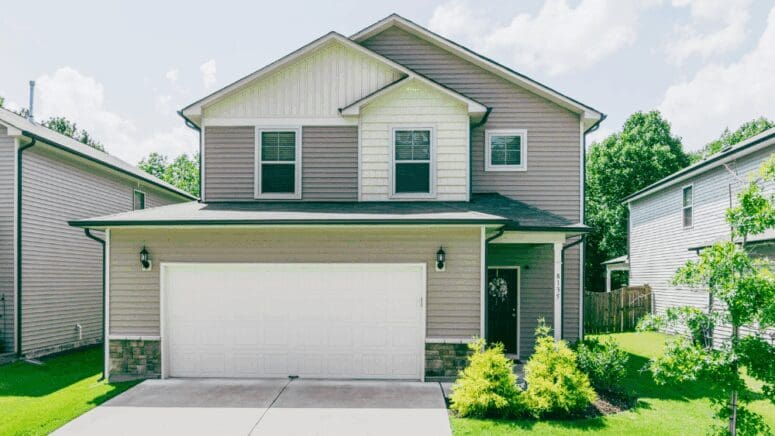
Header Image Source: (Curtis Adams/ Unsplash)
At HomeLight, our vision is a world where every real estate transaction is simple, certain, and satisfying. Therefore, we promote strict editorial integrity in each of our posts.