

What Does It Mean When a Building Is Condemned?
- Published on
- 10 min read
-
 Richard Haddad Executive EditorClose
Richard Haddad Executive Editor
Richard Haddad Executive EditorClose
Richard Haddad Executive EditorRichard Haddad is the executive editor of HomeLight.com. He works with an experienced content team that oversees the company’s blog featuring in-depth articles about the home buying and selling process, homeownership news, home care and design tips, and related real estate trends. Previously, he served as an editor and content producer for World Company, Gannett, and Western News & Info, where he also served as news director and director of internet operations.
The term “condemned building” sounds ominous, but it’s really a matter of codes, inspections, and compliance. When a property earns this designation, it means it no longer meets minimum safety standards. That can affect whether people can live there, rent it out, or even enter the property.

Sell 'As Is' With a Cash Offer or Top Agent
HomeLight’s Simple Sale platform can provide a no-obligation cash offer for homes in almost any condition. Skip repairs and close in as few as 10 days. You’ll also see an estimate of what a top agent might be able to get for your home. Compare both options with one tool.
In this guide, we’ll explore what is a condemned house, who has the authority to condemn your property, and which types of condemnation apply. We’ll also share why properties are condemned and how the condemnation process unfolds, and answer frequently asked questions you have if you’re facing this situation.
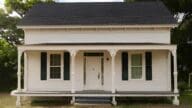

What is a condemned house?
A condemned house is a property that local government authorities have deemed unsafe or unfit for living. This judgment can result from various issues, including severe structural damage, health hazards like mold or infestations, or failure to comply with building codes.
Once a house is condemned, it must not be inhabited until the owners rectify the cited problems and the property passes a subsequent inspection. Condemnation is a serious indication that a house poses significant risks to its occupants or the public.
Who can condemn my property?
The authority to condemn a property— called the condemning authority—usually comes from local government agencies like the building, safety, or health department. These agencies enforce housing, building, and safety codes meant to protect the public, and if a property violates those codes to the point that it’s considered dangerous, they can issue a condemnation notice.
Depending on the situation and jurisdiction, state or even federal agencies may also have the power to condemn a property, especially if it poses a broader risk to public health or safety. In all cases, the condemning authority is responsible for inspecting the property, issuing the notice, and overseeing what happens next, whether that means bringing the property up to code or determining that it can’t be safely used.


Are there different types of condemnation?
Condemnation can happen for a few different reasons, depending on the kind of risk the property creates.
Dilapidated, dangerous, or out of character
Properties may be condemned if they are dilapidated, posing safety risks due to structural weaknesses or failures. Dangerous buildings, due to hazards like exposed wiring or toxic substances, also fall under this category. Occasionally, a property might be condemned for being “out of character” with community standards, although this is less common and typically involves significant health or safety concerns.
Vacant and foreclosure homes in the U.S.
- According to the recent report from the Census Bureau, the three states with the most vacant homes include Maine, Vermont, and Alaska.
- According to property data provider ATTOM, the five states with the highest foreclosure rates are Texas, Florida, California, Illinois, and New York.
What can cause a house to be condemned?
A house can be condemned for a variety of serious issues that make it unsafe to live in. Problems can range from crumbling structures to health hazards that put occupants at risk. Let’s take a closer look at the main causes that can lead to condemnation.
- Structural hazards: These include significant issues with the foundation, walls, or roof that pose immediate danger to occupants. This damage may be due to weather catastrophes, water damage, or pests, such as termites.
- Health hazards: This refers to the presence of toxic substances like lead paint or asbestos, severe mold infestations, or pest infestations that jeopardize health.
- Utility failures: This involves the lack of essential services such as running water, electricity, heating, or sewage disposal.
- Fire hazards: These include inadequate escape routes, faulty wiring, or other conditions that significantly increase the risk of fire.
- Building code violations: These refer to serious or numerous violations of local building codes that are not corrected within a given timeframe. These violations can also be the result of unsafe building materials.
- Abandonment: Properties left vacant and in disrepair may be condemned to prevent them from becoming a public nuisance or safety hazard.

How does the condemnation process work?
When a building is unsafe, authorities don’t just show up with a notice—they follow a formal process. This ensures the hazards are properly documented and addressed. Here’s an example scenario to illustrate how the process might work:
- Inspection: A local building inspector notices or receives a complaint about a potentially unsafe house. They visit the property to assess its condition and find significant structural damage and a severe mold problem, warranting condemnation.
- Notice: The property owner is issued a notice of condemnation, outlining the specific reasons for the decision and what must be done to rectify the issues. The notice also includes a deadline for starting repairs and may order the immediate evacuation of the premises.
- Appeal: The property owner has the right to appeal the condemnation decision. If they choose to appeal, a hearing is scheduled where the owner can present evidence or arguments against the condemnation.
- Repairs and re-inspection: If the owner decides to proceed with repairs, they must obtain the necessary permits and complete the work by the deadline. Once repairs are finished, a re-inspection is conducted. If the property now complies with safety and health standards, the condemnation status can be lifted.
- Demolition or forced sale: If the owner fails to make the necessary repairs within the given timeframe, the local government may proceed with demolition of the property or force a sale to a new owner who can bring the property up to code.
How can you sell a condemned house fast without repairs?
Selling a condemned house fast without repairs might sound impossible, but it’s easier than you think. One of the quickest ways to do it is by working with a cash buyer, such as investors or We Buy Houses companies, which purchase properties in any condition, whether they’re rundown, unsafe, or full of code violations.
Cash buyers aren’t concerned with repairs, inspections, or staging. Their goal is to purchase the property quickly, often within a few days or weeks, and then resell for a profit. How much they pay depends on the house’s location, condition, and market demand. They typically offer below market value to account for the cost of repairs and renovations they’ll handle themselves.
HomeLight’s Simple Sale makes the cash homebuying process simpler, helping you get an offer and close quickly by connecting you with various cash buyers. You won’t have to worry about inspections, renovations, or months of waiting for a traditional sale. Even if your house has serious code violations or safety issues, these buyers are prepared to handle them. With the right approach, you can sell your condemned house fast and move on stress-free.
Condemnation vs. eminent domain
One concept that often gets confused with condemnation is eminent domain. While both involve government authority over private property, their purposes and processes differ. Understanding the distinction can help you know your rights and avoid unnecessary stress if your property is affected.
- Condemnation happens when a government agency declares a property unsafe, uninhabitable, or in violation of codes. The focus here is safety and compliance. Basically, the building itself is a problem. Local building or health departments usually handle condemnation, and the goal is to protect occupants and the public from hazards.
- Eminent domain, on the other hand, is about public use. In this case, the government has the legal right to take private property, even if it’s perfectly fine, so it can be used for things like roads, schools, or other public projects. The property owner is compensated, but the reason for the taking isn’t about safety. It’s about utility.
The processes also differ. Condemnation often involves inspections, notices, and sometimes a chance for the owner to fix the problems before the property is officially condemned. Eminent domain usually involves legal filings, appraisals, and negotiations to determine fair market value for compensation.
FAQs about a condemned house
If you receive a notice of condemnation, it’s essential to act quickly. Review the notice to understand why your property was condemned and what specific repairs or actions are needed to address the issues. Reach out to a legal advisor right away. You typically have a short window to appeal the decision or to start making the necessary repairs. Contact the issuing agency to discuss your options and any potential for extending deadlines or assistance programs that may be available to help with repairs.
Check with your legal advisor before attempting to sell a condemned house. In jurisdictions or circumstances where it’s allowed, the sale will likely come with challenges. Buyers are usually investors or developers interested in renovating the property. If it’s legally allowed, you must disclose the property’s condemned status and the reasons for condemnation to potential buyers. The sale price is likely to be significantly lower than for a non-condemned property, reflecting the cost of necessary repairs or demolition.
Buying a condemned house is possible and can be an opportunity for investors looking to renovate and flip the property. However, it’s important to contact the condemning authority to check the process and to thoroughly understand the extent of the issues that led to the condemnation. You’ll need to factor in the cost of bringing the house up to code, along with any permits and inspections required. Consulting with a structural engineer or a contractor experienced in rehabilitating condemned properties is advisable before making a purchase. Also note, that lenders may deny financing the purchase of a condemned property.
Inverse condemnation occurs when the government takes or damages private property without formally exercising its eminent domain authority, leaving the property owner to initiate legal action to seek compensation. For example, if government activities or regulations effectively render your property unusable or significantly decrease its value without directly taking it, you may have grounds for an inverse condemnation claim. This process requires proving that a government action has resulted in a taking or damaging of your property, thereby entitling you to just compensation.
If your house is condemned, you have specific rights, including:
- The right to receive a formal notice of condemnation.
- The right to appeal the condemnation decision within a specified period.
- The right to be informed about the specific reasons for condemnation and what needs to be done to rectify the situation.
- The right to access information on any available assistance for making repairs.
- The right to a fair hearing if you choose to appeal the decision.
Contact your legal advisor and familiarize yourself with local laws and regulations, as these rights can vary by jurisdiction. A legal professional with experience in property law can provide guidance and help protect your rights throughout the condemnation process.
Find a Top Agent With Condemned Property Experience
If you are considering buying a condemned house, work with an agent who understands the nuances and red tape that can come with it. A top agent will work with local officials and have connections with local contractors to guide you from start to close.
Dealing with a condemned building or house
Whether you’re dealing with a notice of condemnation, considering the purchase of a condemned property, or exploring your options for appeal, it’s important to approach the situation with knowledge and caution.
Remember, condemnation doesn’t have to be the end of the road for a property. With the right actions, appeals, and repairs, a condemned house can be transformed and given a new lease on life. Stay informed, seek professional advice, and take proactive steps to address the issues at hand.
Need to sell fast: If you have a home in poor condition and you’re concerned it won’t sell or may be condemned in the future, consider requesting an as-is cash offer. HomeLight’s Simple Sale platform can provide a no-obligation all-cash offer for your property within 24 hours, allowing you to close in as little as 7 days.
Header Image Source: (kozzi2/DepositPhotos)
At HomeLight, our vision is a world where every real estate transaction is simple, certain, and satisfying. Therefore, we promote strict editorial integrity in each of our posts.