
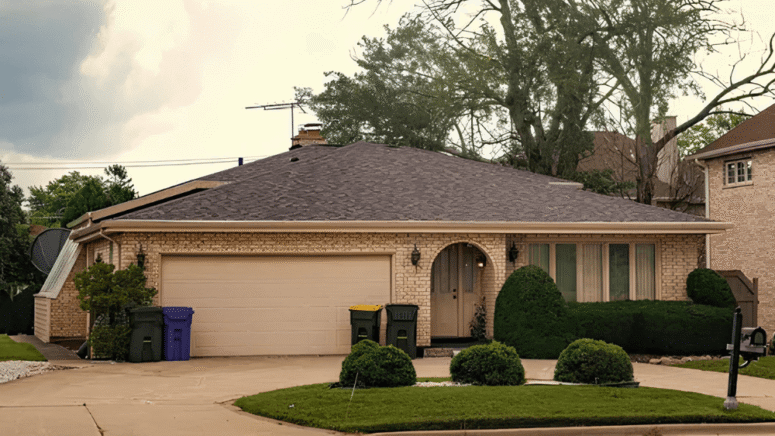
Selling a House ‘As Is’ in South Dakota
- Updated
- Originally published
- 13 min read
-
 Cheyenne Wiseman EditorClose
Cheyenne Wiseman Editor
Cheyenne Wiseman EditorClose
Cheyenne Wiseman EditorCheyenne Wiseman is an Editor at HomeLight. Previously, she worked as a writer for Static Media (Mashed.com and Chowhound.com) and as an editor for CBR.com. Cheyenne holds a bachelor’s degree in English from UC Davis. She has more than five years of experience writing and editing on topics including real estate, financial advising, and pharmaceuticals.
Interested in selling a house “as is” in South Dakota? Whether you own a fixer-upper or recently inherited a family member’s home, you may be hoping to avoid repairs, receive a reasonable offer, and move forward on your timeline.
“Usually, it’s just the condition of the property — maybe the homeowner is going into foreclosure and doesn’t have the appropriate funds to fix up the property,” says Jeremy Simon, a top-performing South Dakota real estate agent.
Keep in mind that selling a house “as is” often means accepting a lower sale price, and it doesn’t necessarily stop buyers from requesting concessions or negotiating after an inspection. In this guide, we’ll explain how to sell a house “as is” in South Dakota, the options available for attracting buyers, and what you can expect throughout the process.
Fast facts about selling a house ‘as is’ in South Dakota
| Median listing price in South Dakota | $382,200 |
| Average days on market (DOM) for South Dakota | 47 days |
| Disclosures | South Dakota law requires sellers to disclose material facts about the property through the Seller’s Property Condition Disclosure Statement |
| MLS has a field to mark a listing “as is”? | No |
| Is a real estate attorney required? | Real estate attorneys are not considered essential for closing in the state of South Dakota |
| Real estate transfer taxes? | $0.50 per $500 |
What is as-is condition in real estate?
An as-is sale means the seller is offering the property in its current condition and does not plan to make repairs or improvements before closing. In most cases, the seller is also unwilling to negotiate repair requests or provide credits for issues identified during the transaction.
Selling a home “as is” may signal that certain features or systems, such as an aging roof, older HVAC equipment, or outdated appliances, are being sold without any guarantee of their condition or remaining lifespan.
When a home is listed “as is,” its known condition is generally reflected in the asking price, based on the seller’s understanding of the property.
Which types of homes are sold ‘as is’?
In South Dakota, homes sold “as is” often need repairs, updates, or cosmetic improvements. It’s a designation more commonly associated with fixer-uppers than move-in-ready properties.
These sales frequently attract investors looking for renovation opportunities, as well as buyers willing to take on some work in exchange for a lower purchase price. Others may be drawn to a property’s location, lot size, or long-term potential despite its condition.
What problems do you have to disclose in South Dakota?
Selling a house “as is” in South Dakota doesn’t allow you to withhold known information about the property’s condition.
South Dakota law generally requires sellers to complete a Seller’s Property Condition Disclosure Statement. It’s often a good idea to review and complete this form before listing your home or seeking offers, so you’re prepared to answer buyers’ questions.
The disclosure form covers a wide range of topics related to the property, including ownership and title matters, structural conditions, major systems and utilities, environmental hazards, and other factors that could affect a buyer’s decision.
Depending on your property, you may need to disclose known issues involving:
- Liens or title concerns
- Easements, encroachments, or boundary disputes
- Structural defects or water intrusion
- Roof condition and past repairs
- Plumbing, electrical, HVAC, and other major systems
- Flooding, drainage, or sewer issues
- Environmental hazards, such as radon, asbestos, or underground storage tanks
- Pest infestations or property damage
- Insurance claims and prior repairs
The disclosure statement is based on the seller’s actual knowledge of the property. Even in an as-is sale, sellers are expected to answer the form honestly and disclose known information about the property’s condition.
Review your options to sell ‘as is’ in South Dakota
The main options to sell a house “as is” include:
List ‘as is’ with the help of a real estate agent
A skilled South Dakota real estate agent can help you market and sell a home in its current condition. They can recommend cost-effective ways to improve the home’s presentation, develop a pricing strategy that reflects its condition, and connect with buyers who are comfortable taking on a property that may need repairs or updates.
Sell directly to a cash buyer
Another option is to sell directly to a real estate investor or house-buying company. This route can appeal to South Dakota homeowners who want to avoid listing on the open market or who own a property that may be challenging to finance or sell through traditional channels.
Many house-buying companies purchase homes in their current condition, often for less than market value. In exchange, they can provide a faster closing timeline and may cover some or all of the seller’s closing costs.
Steps to list ‘as is’ with the help of a real estate agent
Find an agent willing to list the home ‘as is’
Choosing the right real estate agent is important in any transaction, but it can be especially valuable when selling a home “as is.” Look for an agent who has experience marketing properties that need work and understands how to attract investors, renovators, and other buyers who may see value in the home’s potential.
Strong marketing is also key. Because most buyers prefer move-in-ready homes, an as-is property may appeal to a smaller audience. An experienced agent can help position the home to reach the most likely buyers.
Consider a pre-listing inspection
A pre-listing inspection is conducted before a home goes on the market and is paid for by the seller. While it may seem unnecessary when selling “as is,” the inspection can provide a clearer picture of the property’s condition and help you price it more accurately.
Having inspection results available upfront can also reduce surprises during negotiations. If a buyer later requests a price reduction based on issues uncovered in their own inspection, you may be able to show that those concerns were already factored into the asking price.
“An inspection gives the seller knowledge of what’s going on with the house, and if there are any small repairs that can be made, such as flooring or paint, that obviously helps the property,” says Simon.
Price to reflect ‘as is’ condition
The median listing price for homes in South Dakota is $382,200 as of April 2026, a 1.75% decrease from the year prior.
Homes marketed “as is” typically sell for less than comparable move-in-ready properties. The size of the discount can vary based on factors such as the extent of needed repairs, the age of major systems and features, the property’s location, and overall buyer demand in the local market.
“I would say expect to be well under market value or under the value of similar homes if you are selling ‘as is,’” says Simon.
You can start with a free estimate from HomeLight’s Home Value Estimator (HVE).
Our HVE combs public data, including tax records and assessments, and pulls recent sales records for other properties in your neighborhood. Using a short questionnaire, we also gather details about your home, such as the property type and condition. Input your address, and we’ll provide you with a preliminary home value estimate in under two minutes.

How Much Is Your South Dakota Home Worth Now?
Get a near-instant real estate house price estimate from HomeLight for free. Our tool analyzes the records of recently sold homes near you, your home’s last sale price, and other market trends to provide a preliminary range of value in under two minutes.
Do ever-so-light preparations
Even when selling a home “as is” in South Dakota, a small amount of preparation can help the property make a better first impression without requiring major repairs. Consider:
- Deep cleaning the home’s interior
- Decluttering rooms and removing excess personal items
- Mowing the lawn and tidying up the landscaping
- Improving curb appeal with basic maintenance, such as trimming shrubs or clearing debris
- Opening blinds and turning on lights to make the home feel brighter
- Addressing minor safety concerns, such as loose handrails or tripping hazards
- Removing trash, unwanted furniture, or other items that may distract buyers
“Buyers make their decision within a few minutes of walking through a home, and depending on smell and cleanliness, that can definitely attract or detract a buyer looking at your home,” says Simon.
Photograph to show potential
Professional photography can make a meaningful difference, even when selling a home “as is.” An experienced real estate photographer knows how to capture each space from its most flattering angles, optimize lighting, and edit images to accurately showcase the property’s strengths.
Wide-angle photography can also help buyers better understand room layouts and dimensions. In fact, professionally photographed listings often attract more attention online and can command higher asking prices than homes marketed with lower-quality images.
In most cases, your real estate agent will arrange professional photography as part of the listing process.
Highlight the surrounding area
For many buyers considering an as-is property, the home’s location can be just as important as its condition. Call attention to nearby amenities and attractions, such as:
- Downtown districts
- Major employers
- Parks and recreational areas
- Sports and entertainment venues
- Lakes, rivers, or other waterfront amenities
- Highly rated schools
- Outdoor recreation opportunities
- Public transportation options
Include ‘as is’ in the listing
If you plan to sell your home “as is,” make that clear in the listing description. Other phrases commonly used to market homes needing work include “priced to sell,” “fixer-upper,” “investment opportunity,” or “investor special.”
Simon advises sellers to think carefully before using the “as is” label. “I think what it really does is deter prospective buyers from the home. If they know a seller is selling it ‘as is,’ it makes the buyer a little more leery about what’s going on with the property and why the seller wants to sell it ‘as is.’”
If you do choose to sell “as is,” it’s important to balance those descriptions by highlighting the home’s best features, whether that’s its location, lot size, layout, character, or renovation potential.
Understand buyers may still negotiate
Even when a home is listed “as is,” buyers may still attempt to negotiate based on inspection findings or perceived repair costs. That’s why it can be helpful to work with an experienced agent who understands how to manage expectations and advocate for your interests throughout the transaction.
Be aware of minimum property standards for certain loans
When you list your home, there’s no way to know whether the strongest offer will come from a cash buyer or someone using mortgage financing.
If you receive an offer from a financed buyer, keep in mind that different loan programs have different property-condition requirements. Conventional, FHA, USDA, and VA loans all have standards that may affect a lender’s willingness to approve financing for a home that needs significant repairs.
As part of the lending process, the buyer’s mortgage company will typically order an appraisal to evaluate the home’s value and condition.
If you’re concerned about whether your property will qualify for financing, reviewing FHA minimum property standards can be a useful starting point, as they are often among the more stringent requirements buyers encounter.
Prioritize a cash offer if you receive one
While some lenders will finance homes that need repairs, financing can become more challenging as a property’s condition declines. For sellers marketing a home “as is,” especially one requiring substantial work, a cash offer may provide a simpler path to closing.
Because cash buyers do not rely on mortgage approval, they can often move more quickly and avoid appraisal-related complications that sometimes delay or derail financed transactions.
Pros of listing a home ‘as is’
- Lower upfront costs for repairs and updates
- Less time spent preparing the property for market
- May reduce repair-related negotiations
- Can be a practical solution for inherited homes or out-of-state owners
Cons of listing a home ‘as is’
- Smaller pool of interested buyers
- Offers may come in below those for comparable updated homes
- Buyers can still negotiate after inspections
- Financing challenges may limit some buyers
Steps to sell directly to a cash buyer
If listing a home “as is” doesn’t seem like the right fit, selling directly to a cash buyer is another option. While the process varies by company, it often follows these general steps:
- Decision: The homeowner decides against a traditional listing, often because the home needs repairs, they want to avoid showings, or they need a faster sale.
- Contact: The seller reaches out to a local house-buying company and shares basic information about the property.
- Preliminary offer: Some companies provide an initial estimate before seeing the home in person.
- Assessment: The company schedules a walkthrough, typically within a day or two, to evaluate the property’s condition.
- Firm offer: After the assessment, the company presents a formal cash offer. In many cases, the offer is non-negotiable.
- Closing: If the seller accepts, the transaction moves into closing. Some companies offer flexibility on move-out timing and may provide additional assistance.
- Payment: Funds are typically delivered within a matter of days or weeks, depending on the company and transaction details.
If you’re unsure where to start, HomeLight’s Simple Sale platform can connect you with cash buyers. After answering a few questions about your property, you can receive a no-obligation cash offer and potentially sell your home in as little as a week.
Skip repairs
With Simple Sale, there’s no need to spend time or money fixing up the property before selling. Homes in a wide range of conditions may qualify for an offer.
Sell when it’s convenient
Whether you need to move quickly or want extra time to coordinate your next steps, Simple Sale offers flexibility in choosing a move-out date that works for you.
Close with certainty
Cash buyers don’t need a lender’s involvement to purchase a home, so they can move more quickly than someone who needs financing. With Simple Sale, you can close in as little as 7 days, compared to the 30 to 60 days or longer it typically takes to close with a financed buyer.
Curious to know more about the Simple Sale experience? Hear directly from one of our customers in the video below.
Additional We Buy Houses companies in South Dakota
Below, we’ve compiled a selection of companies that purchase South Dakota homes for cash and information about each one.
Sioux Empire Home Buyers
Sioux Empire Home Buyers is a local cash home-buying company that purchases houses in their current condition. The company works with homeowners facing a variety of situations, including inherited properties, homes needing repairs, rental properties, and potential foreclosure concerns. Sioux Empire Home Buyers advertises a straightforward process with no agent commissions, repair costs, or closing costs, and says it can close in as little as two weeks.
Locations: South Dakota.
Closing costs: Sellers pay no closing costs; Sioux Empire Home Buyers covers them.
Sioux Empire Home Buyers has a 5.0-star rating on Google. Though not accredited, the company has an A+ BBB rating.
Website: siouxempirehomebuyers.com
Phone number: 605-640-5601
BiggerEquity
BiggerEquity is a national home-buying company established in 2016. Their website states that sellers can receive a cash offer in as little as seven minutes. After a quick property review, they provide a same-day, no-obligation offer with straightforward terms and no hidden fees.
Locations: BiggerEquity buys houses throughout South Dakota. The company serves homeowners in all 50 U.S. states.
Closing costs: Sellers pay no closing costs; BiggerEquity covers them.
BiggerEquity is not BBB-accredited but has an A+ rating. The company has 4.8 stars on Google.
Website: biggerequity.com
Phone number: 866-333-8377
Priority Home Buyers
Priority Home Buyers has more than 15 years of experience helping homeowners sell quickly. The company can often deliver a cash offer within an hour and close in about a week. Its approach centers on transparent pricing, clear terms, and support from skilled local professionals.
Locations: Nationwide, including throughout South Dakota.
Closing costs: Sellers pay no closing costs; Priority Home Buyers covers them.
Priority Home Buyers has been BBB-accredited since 2023 with an A+ rating. The Colorado location holds a 5.0-star rating on Google.
Website: priorityhomebuyers.com
Phone number: 877-399-1777
Pros of selling ‘as is’ to an investor:
- Save money on home prep.
- Sell fast. Receive an offer in as little as a few days, and close as quickly as one to two weeks later.
- Skip repairs. Most house-buying companies purchase properties in “as is” condition, even those that need major repairs.
- No staging, showings, or open houses.
- Arrange for a flexible move-out date.
Cons of selling ‘as is’ to an investor:
- Offers are likely to be much lower. Investors and house-buying groups typically pay around 70% of what they estimate to be the home’s after-repair value.
- Sellers will have little room to negotiate. Most cash buyer offers are “take it or leave it.”
- Although many home-buying companies are legitimate, some are not. It’s always a good idea to stay vigilant against potential scams.
How much will you make from an as-is home sale?
There is no simple equation for calculating how much you’ll net from an as-is sale. If you list on the market with an agent, you’ll need to account for Realtor fees, but this approach can lead to higher offers and more competition for the home. There will also be closing costs, such as title fees and taxes.
“What we see a lot is our as-is homes are probably selling 5 to 10% under market value or under their competition,” says Simon.
Different types of investors and home-buying companies also offer varying prices for homes, largely depending on their exit strategy. While fix ‘n’ flip investors usually pay around 70% of the home’s after-repair value, buy-and-hold investors who plan to rent out your property may be able to pay more. Investors are also often willing to cover a seller’s closing costs, which can add up to around 1% to 3% of the sale price.
HomeLight’s Net Proceeds Calculator can help you run through possible selling scenarios and estimate your take-home pay.
Ready to sell your house in South Dakota?
While every situation is unique, you should now have a clearer understanding of what it takes to sell a house “as is” in South Dakota and the options available to you. The next step is deciding which approach best aligns with your goals, timeline, and property’s condition.
Whether you decide to list with a real estate agent or sell directly to a cash buyer, a home doesn’t need to be move-in ready to attract interest. By making the required disclosures, pricing the property appropriately, and understanding the process ahead of time, you can position yourself for a smoother sale. When you’re ready to move forward, HomeLight can help you connect with a top local agent or explore a cash offer through Simple Sale.
Header Image Source: (stetsik / Deposit Photos)
At HomeLight, our vision is a world where every real estate transaction is simple, certain, and satisfying. Therefore, we promote strict editorial integrity in each of our posts.
