
8 Mistakes to Avoid When Selling a Home in Winter
- Published on
- 7 min read
-
 Richard Haddad Executive EditorClose
Richard Haddad Executive Editor
Richard Haddad Executive EditorClose
Richard Haddad Executive EditorRichard Haddad is the executive editor of HomeLight.com. He works with an experienced content team that oversees the company’s blog featuring in-depth articles about the home buying and selling process, homeownership news, home care and design tips, and related real estate trends. Previously, he served as an editor and content producer for World Company, Gannett, and Western News & Info, where he also served as news director and director of internet operations.
British poet Edith Sitwell once wrote, “Winter is the time for comfort, for good food and warmth, for the touch of a friendly hand and for a talk beside the fire: it is the time for home.”
But is it the time for a home sale?
While statistically, spring and early summer are the best times to sell your house for the highest price and speed, you may not have the luxury of waiting. If you need to sell off-season, this guide reveals eight mistakes to avoid when selling a home in winter.

Price Accurately With a Top Agent
Setting the price correctly for your home sale is one of the most difficult tasks in the selling process and is something experienced agents excel at. What’s more, HomeLight data shows that top agents can help sell your house faster and for more money than an average agent.
1. Pricing your home without accounting for seasonal conditions
Winter can attract serious shoppers who are motivated, focused, and ready to move when they find the right home. However, they’ll likely have more options and more bargaining power because buyers face less competition, and comparable homes (called comps) typically have lower price tags in the winter.
If you base your list price on outdated summer comps, you could end up scaring away qualified buyers. An experienced real estate agent can provide you with a comparative market analysis (CMA) so you can see fresh, hyper-local data, including recent winter sales. This report will help you understand what buyers in your area are truly willing to pay right now.
In a recent nationwide HomeLight survey, 77% of real estate agents identified overpricing as the number one mistake homeowners make when selling today.
2. Neglecting winter curb appeal
A well-known phrase in real estate (and life) is “You never get a second chance to make a first impression,” which is especially important in winter. Snow, bare trees, and dim skies can make any property look a little flat or lifeless. If your home’s exterior feels uninviting, buyers may assume the interior tells the same story.
A little more curb appeal effort will go a long way this time of year. Clear the walkway, add warm exterior lighting, brush snow off shrubs, and keep the entry crisp and tidy. You don’t need to recreate spring — you just want buyers to feel welcomed from the moment they pull up.
3. Skipping essential maintenance or safety checks
Winter highlights issues that might go unseen or stand out less in other seasons. A furnace that struggles, a drafty room, or a frozen pipe can quickly become red flags for buyers. And slick walkways can make a showing feel stressful instead of inviting.
Before you list, give your home a seasonal tune-up. Make sure the heating system works well, check for leaks or drafts, and keep all exterior pathways clear. Buyers will appreciate a home that feels safe, well cared for, and ready for winter living. Then take steps so that the feeling of comfort stays with potential buyers as they walk through the front door.
4. Letting lighting and staging fall flat
Because so many winter showings happen after work hours, lighting matters more than ever. If your home looks dim or cold, buyers will have a harder time picturing themselves living there. As Sitwell noted, winter is the time when people crave warmth. Be certain your home feels warm and welcoming — both in temperature and appearance.
Open blinds during the day, clean your windows, swap in brighter bulbs, and use warm-toned lamps to create a cozy atmosphere. If you’re still living in the home, consider adding soft throws, candles (battery-operated is fine), and layered textures that make the space feel comfortable and inviting in winter.
5. Making showings difficult during bad weather
When your agent has scheduled a showing, ensure your home is ready from the front driveway to the front door — and even the areas around the sides and back. If buyers find themselves sloshing through slush and mud, or stepping over icy patches, their experience can quickly sour. They may not stick around long enough to appreciate the inside of the house.
Clear snow promptly, salt walkways, and add a clean, new doormat or boot tray (about $20) by the entrance. And when storms hit, staying flexible with rescheduled showings can help you keep eager buyers in the mix.
6. Overlooking small upgrades that matter more in winter
Winter buyers tend to pay closer attention to energy efficiency and comfort. If your home feels drafty or the heat is uneven, you may get lower offers — or none at all. It may seem obvious, but overlooking even small weather-related upgrades can impact your home sale.
Simple improvements can help your home shine: sealing gaps, installing weatherstripping, servicing the fireplace, replacing aging filters, or even adding a smart thermostat (typically less than $100). These upgrades don’t just make showings more pleasant; they also signal to buyers that your home has been thoughtfully maintained.
7. Not preparing for slower-but-serious winter buyers
As we’ve noted, there are usually fewer house hunters in the winter. But the ones who are out looking often have timelines that can’t wait until spring, such as relocation, job changes, family needs, or tight schedules.
That means your ideal buyer might come earlier or later than expected, and they may need to move quickly once they make an offer. Keeping your home show-ready and understanding that winter demand is smaller but more motivated can put you in a stronger position when the right buyer appears.
8. Trying to sell without an agent in a season that requires expertise
Winter isn’t the time to guess your way through pricing, preparing, or marketing your home. An experienced local agent understands how your area behaves during these colder months and can help you set a strategy that fits the season.
A free service like HomeLight’s Agent Match can point you toward top-performing agents in your market who know exactly how to position your home for winter buyers. Additionally, sales data indicate that the top 5% of agents sell homes for up to 10% more than the average agent. Having a knowledgeable partner by your side can save you time, stress, and potential missteps during a season when every detail matters.
Sell with confidence, no matter the season
Selling your house in the colder months can feel a little tougher. The days are shorter, the weather isn’t always on your side, and buyers tend to be more selective once temperatures drop. By avoiding these common mistakes — and leaning on the right tools and professionals — you set yourself up for a smoother sale and stronger offers.
If you’re curious about what your home might be worth right now, try HomeLight’s free Home Value Estimator as a starting point. And if you’d like expert help tailoring your winter selling strategy, connecting with a top local agent through our free Agent Match platform is a smart next step.
Learn more: To help your winter sale go even smoother, try our Home Seller Mistake Mashup Machine below:
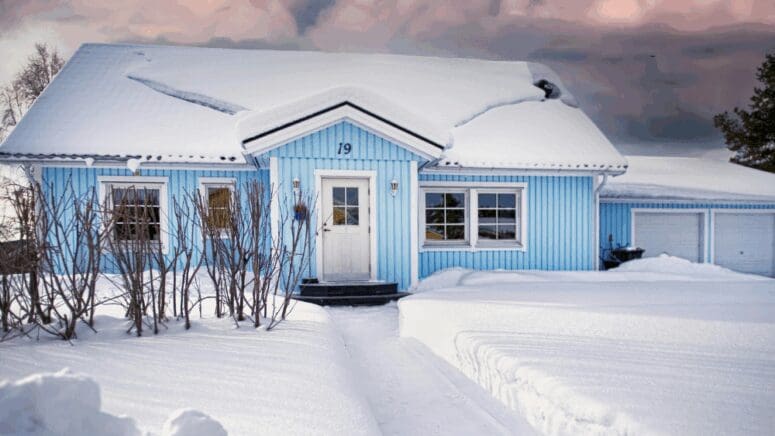
Header Image Source: (Frans van Heerden/ Pexels)
At HomeLight, our vision is a world where every real estate transaction is simple, certain, and satisfying. Therefore, we promote strict editorial integrity in each of our posts.