
When Is the Best Time to Buy a House in Florida?
- Updated
- 10 min read
-
 Emma Woodward, Contributing AuthorClose
Emma Woodward Contributing Author
Emma Woodward, Contributing AuthorClose
Emma Woodward Contributing AuthorEmma Woodward is a freelance writer who loves writing to demystify real estate and finance topics. She is always looking for tactics to connect with readers in a non-stuffy way. When she's not writing about budgeting or mortgages, Emma also writes about food and fashion. She has written for companies and publications like Finch, Toast, Bankrate, and The Financial Diet.
Based in the Seattle area, Emma enjoys discovering new hiking trails and outdoor wonderlands when she's not working. You might also find her reading a good book, searching out a tasty bake shop or wandering through her neighborhood.
-
 Richard Haddad, Executive EditorClose
Richard Haddad Executive Editor
Richard Haddad, Executive EditorClose
Richard Haddad Executive EditorRichard Haddad is the executive editor of HomeLight.com. He works with an experienced content team that oversees the company’s blog featuring in-depth articles about the home buying and selling process, homeownership news, home care and design tips, and related real estate trends. Previously, he served as an editor and content producer for World Company, Gannett, and Western News & Info, where he also served as news director and director of internet operations.
From miles of sandy beaches to warm winters and an outdoor lifestyle, Florida has long been a top destination for homebuyers. With so many people looking to move in, timing your purchase can make a big difference. So, when is the best time to buy a house in Florida if you want the best deal? The answer depends on market trends, inventory, and competition throughout the year. Here’s what you need to know before you start shopping.

Find a Top Buyer's Agent in Florida
HomeLight can connect you with the top agents in your selected Florida community. We analyze over 27 million transactions and thousands of reviews to determine which agent is best for you based on your needs.
When is the best time of year to buy a house in Florida?
Fall is widely considered the best season to buy a home in the U.S., with October standing out as the most buyer-friendly month, according to ATTOM Data. September and November also offer favorable conditions, thanks to lower competition and more motivated sellers.
Buyers who purchase a home in October pay an average premium of just 7%. This translates into meaningful savings for buyers who have the flexibility to wait until fall.
In Florida, you’ll see similar trends, but the gap between buying in spring and fall usually isn’t as big. The state’s warm weather makes it a popular place to buy a home year-round, and many retirees can move whenever they want instead of planning around school schedules.
“The great thing about Florida is that there’s so much opportunity for so many different people,” says Tim Ekelund, a Pensacola-area real estate agent, who works with over 71% more single-family homes than the average agent in his Florida market. “I think year-round is a fantastic time to buy in Florida.”
Are there ‘worst times’ to buy a house in Florida?
Florida’s warm weather keeps the housing market active all year, but that doesn’t mean every time of year offers the same buying experience. While prices and mortgage rates matter, they’re not the only things worth thinking about. If you’re shopping in one of Florida’s popular beach towns or vacation destinations, the season itself can make house hunting a little more challenging.
I think the only time it would be harder is when it’s probably peak season, when it’s really busy with tourists. It might be the only [bad] time because it might be hard to get into rentals, or maybe you want to look for a beach condo. Getting into that condo may be a little bit more difficult during peak season of the summer or spring break than it would be on an off weekend or off month.
 Tim Ekelund Real Estate AgentCloseTim Ekelund Real Estate Agent at 1st Class Real Estate Gulf Coast Currently accepting new clients
- Years of Experience 12
- Transactions 733
- Average Price Point $260k
- Single Family Homes 665

If you want the best buyer experience and the most home options, you should avoid buying during the peak tourist seasons of summer and spring break.
Is now a good time to buy a Florida house in the current market?
The answer depends on a few key factors. Instead of trying to time the market perfectly, let’s break down what’s happening in Florida’s housing market and what it could mean for buyers.
- Total home sales are picking up: Closed sales of existing single-family homes have increased year over year for nine months in a row through May 2026, showing that buyers and sellers are starting to meet in the middle after a few years of market uncertainty.
- Pending sales point to continued activity: Pending sales, which track homes that are under contract but haven’t closed yet, are also trending upward. Single-family home contracts increased 4.8% year over year, while condo and townhouse contracts rose 9%, signaling that buyer demand is still active.
- Buyers have more choices right now: Inventory has improved, giving buyers more room to compare homes, negotiate, and take their time before making an offer. In May 2026, Florida posted a 4.7-month supply of single-family homes and an 8.6-month supply of condo-townhomes, meaning buyers may face less competition and have more options to choose from.
- Home prices aren’t climbing as quickly: Florida home prices are still high, but the rapid growth seen in recent years has started to cool. In May 2026, the statewide median sales price for existing single-family homes was $425,000, which was a 2.4% increase compared with the same time last year. While buyers shouldn’t expect prices to suddenly drop, a slower pace of growth can make it easier to shop around and find a home that fits their budget.
- Other costs still matter: Even if home prices become more manageable, buyers should remember that owning a home in Florida comes with additional expenses. Rising homeowners insurance costs, flood coverage, property taxes, and maintenance needs can all affect the true cost of buying a home.
Overall, Florida’s housing market is showing more balance, which could make this a better time to buy than during the competitive pandemic years. However, the right time to purchase depends on your finances, your long-term plans, and whether you find a home that fits your needs.
“Up in the Panhandle, the market has still been on fire. Yes, it has dropped, but also, inventory is up,” Ekelund says. “I think the housing market here in Florida is going to continuously stay healthy,” adding that there are a lot of hidden gems in the Panhandle area.


What’s unique about the Florida housing market?
Florida’s housing market stands out because demand is fueled by a steady mix of new residents, seasonal visitors, and real estate investors.
Known for its year-round sunshine and famous theme parks like Disney World and Universal Studios, Florida attracts millions of visitors every year, creating plenty of opportunities for short-term rental investors looking to tap into the state’s thriving tourism market. Beyond tourism, the warm weather and laid-back lifestyle continue to draw retirees, college students, and anyone looking to make the Sunshine State their home.
Even at a slower pace, the state’s population grew by more than 500 people a day in 2025, with international immigration driving much of that growth. That continued influx of people keeps pressure on housing demand across many parts of the state, from major metro areas to smaller coastal communities. There are more than 32 million people estimated to be living in the Sunshine State, making Florida the second-largest state in the U.S. by population.


The Sunshine State also offers a wide range of real estate options, from beachfront condos and vacation rentals to suburban neighborhoods and master-planned communities. These residential developments are home to everything from historic designs to modern builds.
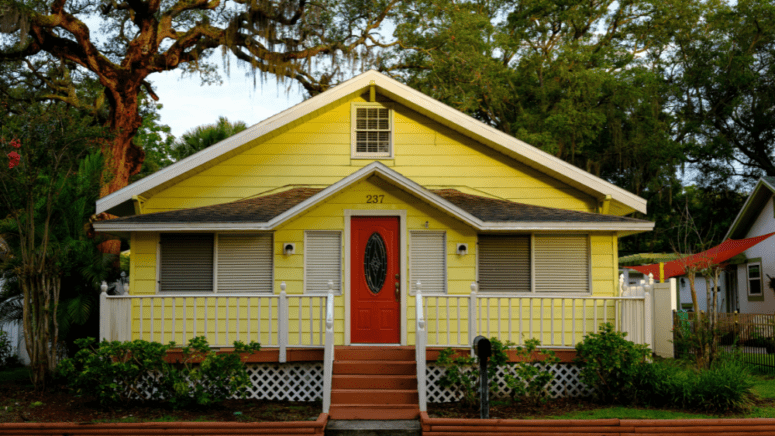
“What’s interesting about Florida is you could have a 1900 Craftsman-style home, and then you go a couple of houses down, and there’ll be a brand new build that looks like a Florida cottage,” Ekelund says.
“Coming here and seeing the uniqueness of the architecture and the lay of the land, I think it makes Florida very unique.”
Still, owning a home in Florida comes with its own set of challenges. Buyers have to navigate challenges that are more pronounced than in many other states, including hurricane and flood risks, rising homeowners insurance premiums, stricter building codes, and homeowners association (HOA) regulations, all of which can affect home values, affordability, and the overall cost of owning a home.
What’s the best way to get started buying a house in Florida?
The best way to get started buying a house in Florida is to first understand your budget, your goals, and your non-negotiables in a home. Begin by checking your finances, improving your credit score if needed, and getting pre-approved for a mortgage so you know how much home you can comfortably afford.
Next, research different Florida markets because home prices, insurance costs, taxes, and lifestyle factors can vary widely from one area to another. It’s also important to factor in Florida-specific costs, such as flood coverage and HOA fees, before making an offer. Taking these steps early can help you feel more prepared and confident when you find the right Florida home.
Once you feel like you’ve checked off all the prerequisites for home-buying, start looking for a real estate agent. Search for professionals in areas you hope to buy to find someone who knows the local market. It’s a good idea to interview several agents before you choose one. You’ll want to find someone you feel comfortable with and who has a good amount of experience.
Easier agent search: HomeLight can connect you to a top-performing agent in your selected market. We analyze more than 27 million transactions and thousands of reviews to determine which agent is best for you based on your needs. Once you find an agent, they will work with you to understand what you want in a home. Then, you can start searching for and viewing properties.
»Learn more: Before you start touring homes in Florida, find out what fits comfortably within your budget. Use our Home Affordability Calculator to estimate how much house you can afford and plan your next steps with more confidence.
Here are some more homebuyer tools you can take advantage of:
- Down Payment Calculator
- Closing Costs Calculator
- Mortgage Payment Calculator
- Earnest Money Calculator
- Florida Property Tax Calculator
What are the best cities to buy a house in Florida?
Florida has a little bit of everything when it comes to places to live, from bustling coastal cities to quiet suburban neighborhoods. With so many options to choose from, finding the right city comes down to what matters most to you, whether that’s affordability, job opportunities, outdoor activities, or a laid-back lifestyle.
To help narrow down your search, here are some of the best cities in Florida to consider when buying a home:
- Altamonte Springs: It offers the best of both worlds, giving residents a peaceful suburban atmosphere while keeping them within easy reach of Orlando. The city’s convenient location, local amenities, and outdoor spaces make it a popular choice for homebuyers.
- Jacksonville: This northeast Florida city appeals to house flippers with its wide range of older homes, growing population, and potential for value-add renovations across its many neighborhoods.
- Miami: If you can afford the median list price of $592,000 for a home, you’ll enjoy the vibrant culture, thriving nightlife, and enticing food scene that locals love about this city.
- Orlando: If you love the idea of being close to world-class entertainment, Orlando puts you right near major attractions like Disney World, Universal Studios, SeaWorld, and LEGOLAND, while offering a growing housing market with plenty of neighborhoods to choose from.
- Pensacola: Ekelund recommends Pensacola as a top location choice due to its small-city vibe and proximity to neighboring states.
- St. Petersburg: Once a small town attractive to retirees, this city now attracts Millennials and Gen-Xers, too, due to its charming historic buildings and growing arts scene.
- Tallahassee: This capital city blends a college-town atmosphere with a lower cost of living, making it a great option for buyers who want plenty to do without paying the higher home prices found in many parts of Florida.
- Tampa: This city attracts real estate investors thanks to its strong economy, but homebuyers are drawn to the city for many of the same reasons, including its growing job market, diverse neighborhoods, and quality of life.
»Learn more: 10 of the Cheapest Places to Buy a House in Florida
How else might I get a better deal on a home in Florida?
Buying a home in Florida doesn’t always mean you have to pay top dollar. With the right approach, a little research, and a good understanding of the local market, you may be able to find ways to save money and get a better deal. A local real estate agent can also be a huge help, giving you insider knowledge, helping you negotiate, and making sure you don’t miss out on good opportunities.
Here are a few things to try to get a bargain price on a property:
- Work with an agent who can negotiate: “Having that sales experience and being able to negotiate is really important,” Ekelund says. He cautions that not every agent has negotiation skills, and you want someone who will work to get you the best deal.
- Look for bank-owned or short-sale properties: These typically are homes that have gone through foreclosure or are about to, so you can often get a lower price for the home.
- Shop around for mortgage lenders: Just like with agents, you should talk to several mortgage lenders. You can sometimes get a better deal for a mortgage with one lender than you may with another.
- Consider your wants vs. your needs: When you’re looking for a house, it’s good to dream big, but letting go of a few wants may help you find more options for a good deal. For example, opting for a smaller yard may help you find a beautiful home with a more preferable price tag than other options.
A few final tips for Florida homebuyers
Overall, there’s no one-size-fits-all answer to the question, “When is the best time to buy a house in Florida?” However, there are a few general trends and tips that can help you make an informed decision:
- Look for market downturns or recoveries: Buying during a downturn or early in a recovery can give you more negotiating power and more inventory to choose from.
- Keep an eye on interest rates: Lower interest rates can make a big difference for homebuyers, helping reduce monthly mortgage payments and making it easier to fit a home purchase into your budget.
- Consider your personal preferences: Think about factors like weather, school schedules, and other personal preferences when deciding when to buy.
Of course, your lifestyle and needs should play a role in deciding when to buy a house in Florida. Try to balance the best seasons for buying a home in Florida with your needs and the needs of your family. You can find great options throughout the year if you know where to look.
Bottom line: When is the best time to buy a house in Florida?
Ultimately, the best time to buy a house in Florida is when it’s the right time for you. By considering market trends, interest rates, and your personal preferences, you can make an informed decision that meets your needs and fits your budget.
Whenever you decide to start your home-buying journey, we always recommend working with a top real estate professional. An experienced real estate agent can help you navigate the market, find the right property, and negotiate the best possible deal.
Header Image Source: (Julien Maculan / Unsplash)
The first version of this post was originally published on
At HomeLight, our vision is a world where every real estate transaction is simple, certain, and satisfying. Therefore, we promote strict editorial integrity in each of our posts.
