
Buying a Home With a Reverse Mortgage: HECM for Purchase
- Updated
- 11 min read
-
 Richard Haddad Executive EditorClose
Richard Haddad Executive Editor
Richard Haddad Executive EditorClose
Richard Haddad Executive EditorRichard Haddad is the executive editor of HomeLight.com. He works with an experienced content team that oversees the company’s blog featuring in-depth articles about the home buying and selling process, homeownership news, home care and design tips, and related real estate trends. Previously, he served as an editor and content producer for World Company, Gannett, and Western News & Info, where he also served as news director and director of internet operations.
Have you been considering a reverse mortgage but would like to relocate to a new city or downsize your home? Most people think of a reverse mortgage as an option to retire in place, but buying a home with a reverse mortgage is also possible.
This unique financial tool allows you to purchase a new property using the equity in your current home without the stress of monthly mortgage payments.
In this guide, we’ll explain how you can make your next move easier and more financially manageable with a Home Equity Conversion Mortgage (HECM) for Purchase. We’ll also share a modern “buy before you sell” alternative that allows you to move only once.

What's Your Home Worth Now?
If you are considering selling your home to retire or downsize, find out what your property might be worth. Enter a few details about your house and we’ll provide you with a preliminary estimate of home value in less than two minutes. It can be a helpful starting point as you plan your next move.
What is a reverse mortgage?
A reverse mortgage is a loan typically available to homeowners aged 62 and older that allows them to convert part of the equity in their home into cash. Unlike a traditional mortgage where you make monthly payments to the lender, with a reverse mortgage, the lender pays you. The loan is repaid when the homeowner sells the house, moves out permanently, or passes away. Reverse mortgages are designed to help retirees with limited income use the accumulated wealth in their homes to cover basic living expenses and healthcare costs.
How does a reverse mortgage work?
With a reverse mortgage, the homeowner continues to own and live in the home while receiving payments based on the home’s equity. The amount you can borrow depends on several factors, including your age, the home’s value, and current interest rates. The loan balance increases over time as interest and fees are added, but you don’t have to repay it until you no longer live in the home.
Reverse mortgages are non-recourse loans, meaning that you will never owe more than the home is worth. If, for any reason, the home sells for less than what is owed on the loan, FHA insurance covers the gap. In such a case, neither the borrower nor their heirs will be responsible for the difference or face any negative credit impact.
How does buying a home with a reverse mortgage work?
Buying a home with a reverse mortgage, also known as a Home Equity Conversion Mortgage (HECM) for Purchase, allows seniors to buy a new primary residence without the burden of monthly mortgage payments. You use the proceeds from the reverse mortgage to cover part of the purchase price, and you contribute the remaining funds from your own resources, such as savings or the sale of your previous home.
In most cases, the older you are, the more loan proceeds you are eligible to receive when you apply for an HECM for purchase.
As with a retire-in-place reverse mortgage, you still own the home until you sell it or it’s deeded to an heir. This option is ideal for those looking to downsize, move closer to family, or find a home that better suits their needs in retirement.
What’s the process to buy a home with a reverse mortgage?
Below is an example of what the process might look like when buying a home with a reverse mortgage. For many seniors using HECM for purchase, this process rolls forward after they have sold their current home.
- Eligibility: Ensure you meet the age requirement of 62 or older and have sufficient funds for the required down payment.
- Find a property: The home you wish to buy must meet FHA property standards and be your primary residence.
- Apply for the loan: Work with an FHA-approved lender to complete your reverse mortgage application and obtain pre-approval.
- Financial assessment: The lender will evaluate your financial situation to ensure you can cover property taxes, insurance, and maintenance costs.
- Appraisal and inspection: The chosen property must be appraised and inspected to ensure it meets FHA guidelines.
- Closing: Once the loan is approved, you’ll go through the closing process, which involves signing the final paperwork and making your down payment.
- Move in: After closing, you can move into your new home without the burden of monthly mortgage payments.
Before filing a reverse mortgage loan application, you’ll be required to complete a counseling session with a third-party counselor approved by HUD. In most cases, your loan officer can connect you with a qualified counselor.


Purchase options to consider
Some seniors with a lot of equity in their current home will sell it and pay the full purchase price of their new home in cash. You could do this and own the new home outright, but then you don’t have as much on-hand cash. Others may buy a home outright and then set up a reverse mortgage later.
A HECM for purchase can conveniently combine these two transactions into one.
If you sold your existing home and then paid cash for your new home’s full purchase price, you would be required to pay closing costs on the transaction. Then, if you later decided to get a reverse mortgage on your new house, you would need to pay some of those closing costs all over again.
By going straight into a HECM for purchase, you can skip this transitional step and streamline the process. You pay closing costs only once and spend less time on paperwork.
Tax note: Any money you receive from the reverse mortgage (lump sum, installments, or a line of credit) will typically not be considered taxable income. This can also allow you to reduce your reliance on traditional retirement funds, such as your IRA, 401k, or other investments.
Buying a home with a reverse mortgage example
Below is a table illustrating an HECM for purchase example on a home after you completed the sale of your existing home. In this example, the proceeds from your home sale are $600,000. Depending on whether you are downsizing or upsizing, this is a simplified example of what you might expect.
| If downsizing | If upsizing | |
| Cash on hand after home sale | $600,000 | $600,000 |
| Purchase price of new home | $500,000 | $800,000 |
| Down payment required to purchase new home | $295,000 | $470,000 |
| Amount financed by Reverse Mortgage | $205,000 | $330,000 |
| Cash remaining after purchase | $305,000 | $130,000 |
Unlock Your Equity and Buy Before You Sell
Through our Buy Before You Sell program, HomeLight can help you unlock a portion of your equity upfront to put toward your next home. You can then make a strong offer on your next home with no home sale contingency.
Why buy a home with a reverse mortgage?
Here are some common scenarios when using a HECM for purchase might be considered a good solution:
- Your current house is more than what you need (downsizing)
- You want to upsize to allow room for incoming family
- Your current house may be too expensive to maintain
- You want to live in a retirement community
- You want or need to move closer to family
- You no longer feel safe in your current neighborhood
- You want to move to a warmer climate
How many seniors downsize? According to seniorliving.org:
- 51% of retirees (ages 50 and over) move into smaller homes after retirement.
- 64% of seniors, when asked, say they plan to stay in their current homes
What’s required to buy a home with a reverse mortgage?
To buy a home with a reverse mortgage, you need to meet specific eligibility requirements. Here’s what you’ll need:
- Age requirement: You must be 62 years of age or older.
- Standard reverse mortgage requirements: You must meet the criteria for a traditional reverse mortgage, including a financial assessment to ensure you can cover the origination fees and ongoing costs.
- Primary residence: The home you purchase must be your primary residence.
- Home maintenance: You are required to keep the home in good condition.
- Down payment: You need cash available for a substantial down payment. These funds can come from your own savings or from the proceeds you earn from the sale of your current home.
What down payment do you need to buy a home with a reverse mortgage?
The down payment for buying a home with a reverse mortgage varies, generally ranging from 45% to 70% of the purchase price. The exact amount depends on factors such as your age, current interest rates, and the value of the home.
Unlike traditional mortgages, a reverse mortgage does not require monthly mortgage payments. However, you must continue to cover property taxes, homeowners insurance, maintenance costs, and any required HOA fees. Ensuring you have the necessary down payment and can handle ongoing costs is crucial to using a reverse mortgage for your home purchase.
HECM restrictions on down payment sources
When using a HECM for purchase, there are specific restrictions on where your down payment funds can come from. Acceptable sources include your home sale proceeds, retirement savings, or gifted money from a family member. However, there are prohibited sources:
- Bank-financed money or borrowed funds: You cannot use money borrowed from a bank or a family member (who holds the expectation of being repaid).
- Borrowing against assets: Funds borrowed against assets such as CDs or life insurance policies are not permitted.
HECM lenders are required to verify the source of your down payment funds. Simply put, you must use no-strings-attached money that is legally considered yours for the down payment.
What kind of homes can I buy with a reverse mortgage?
A HECM for purchase can be used to buy various types of FHA-approved dwellings, including:
- Single-family homes: Standard single-family residences.
- Planned unit developments (PUDs): PUDs are communities in which individual owners own parcels or units and share ownership of common areas.
- Condominiums or townhouses: Provided they meet FHA approval guidelines.
- 2-4 unit owner-occupied homes: You can buy a property with up to four units as long as you live in one of them.
- Manufactured homes: Must meet HUD guidelines.
- Newly built houses: The home must have a certificate of occupancy in place.
Ineligible properties: You cannot use an HECM for purchase loan to fund the actual construction of a new home or purchase land to build. Co-ops, boarding houses, and bed-and-breakfast dwellings are also not eligible. In addition, most manufactured homes built before 1976 may be ineligible for reverse mortgage financing.
Alternatives to HECM for purchase
If you’re considering alternatives to buying a home with a reverse mortgage, there are other options available that might better suit your needs:
- HomeLight’s Buy Before You Sell program: This innovative program allows you to buy your new home before selling your current one. By leveraging your home equity, HomeLight helps you make a competitive, all-cash offer on your next home. Once you’ve moved, HomeLight assists with selling your old home for top dollar. This option eliminates the stress of coordinating a simultaneous sale and purchase.
- Traditional mortgage: If you have a steady income and prefer to make monthly payments, a conventional mortgage might be a suitable choice. This option could provide lower interest rates compared to a reverse mortgage.
- Bridge loan: A bridge loan can help you buy a new home while waiting for your current one to sell. This short-term loan provides temporary financing and can be paid off with the proceeds from the sale of your existing home.
- Traditional home equity loan: If you have significant equity in your current home, you could consider a standard home equity loan to fund your new home purchase. This allows you to borrow against your existing home’s equity while retaining ownership.
Is buying a home with a reverse mortgage right for you?
Deciding whether buying a home with a reverse mortgage is the right choice depends on your financial situation and long-term goals. This option can offer financial flexibility and eliminate monthly mortgage payments, making it an attractive choice for older homeowners who qualify. However, it’s essential to consider factors like the required down payment, ongoing property costs, and the type of home you wish to purchase.
If you’re unsure whether a reverse mortgage is the best option, connecting with a top real estate agent familiar with HECM for purchase programs can provide valuable insights and guidance. HomeLight’s free Agent Match platform can help you find an experienced agent who understands your unique needs and can assist you in making the best decision for your future.
Editor’s note: This post is for educational purposes only, not financial or tax advice. HomeLight encourages you to reach out to an advisor.
If you’re buying and selling a home at the same time, and you’d like to explore other options besides a reverse mortgage, check out HomeLight’s innovative Buy Before You Sell program. Watch the short video below to learn more.
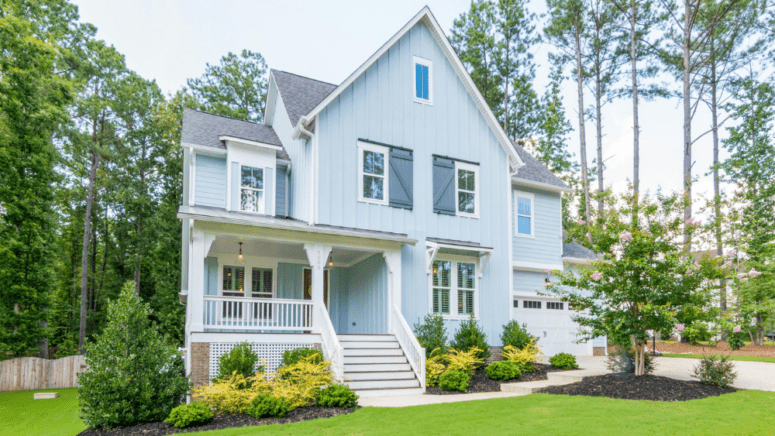
Header Image Source: Curtis Adams/ Pexels)
The first version of this post was originally published on
At HomeLight, our vision is a world where every real estate transaction is simple, certain, and satisfying. Therefore, we promote strict editorial integrity in each of our posts.