

What to Do to Sell Your House: A 14-Tip Home Selling Checklist
- Updated
- 14 min read
-
 Lori Lovely, Contributing AuthorClose
Lori Lovely Contributing Author
Lori Lovely, Contributing AuthorClose
Lori Lovely Contributing AuthorLori Lovely edited the Real Estate Home section for the Indianapolis Star and covered the annual Dream Home construction and decor for Indianapolis Monthly magazine. She has written guides for selling houses and more.
-
Richard Haddad, Executive EditorClose
Richard Haddad Executive Editor
Richard Haddad is the executive editor of HomeLight.com. He works with an experienced content team that oversees the company’s blog featuring in-depth articles about the home buying and selling process, homeownership news, home care and design tips, and related real estate trends. Previously, he served as an editor and content producer for World Company, Gannett, and Western News & Info, where he also served as news director and director of internet operations.
You’re getting ready to list your property for sale, but knowing exactly what to do to sell your house can make all the difference. From pricing it right to making small repairs, the right moves early on can lead to better offers. By preparing the right way, you can attract more serious buyers and avoid unnecessary delays.

Find Your Perfect Real Estate Agent
We analyze over 27 million transactions and thousands of reviews to determine which agent is best for you based on your needs.
In this article, we compiled a checklist of what to do to sell your house, from effective home preparation to staging tips, based on research and expert advice from Chris Pappalardo, a real estate professional with 16 years of experience in Greensboro, North Carolina, and Edward Kaminsky, who works with 66% more single-family homes than the average Manhattan Beach, California, agent.




What to do to sell your house
Preparing your home to sell keeps unexpected expenses at bay. More importantly, you sell faster and reduce the likelihood of receiving lowball offers. So you might be wondering, exactly what do I need to do to my house before I sell it?
To keep you on track, we have provided a list of things almost every seller should do to get ready to sell for more money.
Partner with a top real estate agent
Declutter and depersonalize each room
Conceal your valuables
Deep clean, then keep it clean
Deodorize, but say no to fragrance
Make smart repairs
Skip unnecessary home improvements
Apply inexpensive upgrades
Consider a pre-listing home inspection
Follow a home appraisal checklist
Check your home’s estimated value
Consider home staging
Apply curb appeal landscaping hacks
Paint with prudence
1. Partner with a top real estate agent
If you don’t already have one, HomeLight’s Agent Finder can help you locate a top professional in your area within minutes. This free service analyzes more than 27 million transactions and reviews to determine the best agent for you. Our data shows that the top 5% of real estate agents sell homes for up to 10% more than the average agent, and they often do it faster.
Working with an experienced real estate agent means better exposure for your house.
“Exposure means money,” Kaminsky says. “The more people that know about the home, the more likely you’re going to get the highest price for the house.”
Kaminsky believes that buyers who use real estate agents are serious buyers who are prepared to spend to get what they want, and that those searching for For Sale by Owner (FSBO) homes are looking for bargains because the seller isn’t paying a commission to a real estate agent.
There are many benefits to listing with a top real estate agent, from strategic pricing to smooth document management to skilled negotiation support and more. “Handing it all to an expert [who has] been through that can make a significant difference,” Kaminsky says.


Top agents know what buyers want and what features help homes sell for more money. They know which investments can increase your home’s value by as much as 35% and which fixes not to make.
“I beg my sellers not to spend any money before I come over because they usually spend too much money on the wrong stuff,” Pappalardo says.
2. Declutter and depersonalize each room
According to HomeLight’s Top Agent Insights for Spring/Summer 2026, move-in-ready condition is the biggest feature helping homes sell in 2026. Removing clutter and personal items can make the space feel more inviting and ready for buyers.
Buyers find it difficult to imagine themselves living in your home if all they see as they look around are your personal photos and mementos. If your home is overcrowded with furniture and other items, they can’t see the space properly. Thus, it’s important to declutter and depersonalize your home.
“You want your rooms to feel big,” Pappalardo explains. “If you have an overcrowded arrangement of extra furniture, that leaves literally only an inch of space between the buyer and their agent, [and that’s] uncomfortable.”
Sell in less than a week: A spotless home attracts buyers and sells quickly. If speed is your priority, check out our comprehensive guide, How to Sell Your House in 5 Days, for expert tips on maximizing your home’s appeal.
3. Conceal your valuables
Consider it part of the decluttering process to protect yourself and your valuables while your house is open to the public.
Follow simple precautions, such as securing your medicine in a lockbox and concealing your passwords, Wi-Fi code, checkbook, jewelry, keys, and other valuables that might prove too tempting to unscrupulous visitors.
4. Deep clean, then keep it clean
Once you have decluttered, you might realize you’re overdue for deep cleaning. It’s worth the effort. A clean home feels more valuable to buyers, making them more likely to put in a better offer. Plus, it leads to eye-catching listing photos that help your property stand out online.
Kitchens and baths are good places to start tackling grime. Be sure to include appliances such as the refrigerator, dishwasher, and oven. Make mirrors and faucets sparkle. Scour the grout. Wash the walls. Mop the floors.
Every room can use some attention. Put fresh linens on the beds. Wash or dry-clean the window treatments. Shampoo the carpets. Dust everything.
If you don’t have time for deep cleaning, hire professionals. House cleaners charge an average of $25 to $50 per hour.


5. Deodorize, but say no to fragrance
Malodors make a lousy impression on buyers. Whether it’s cigarette smoke, kitchen stink, pet stench, strong perfumes, or a pungent mold reek, an unpleasant smell could be so distracting that a buyer can’t get past it to notice your home’s wonderful features.
If odor lingers after you have deep-cleaned your home, it’s time to take more drastic measures. Deodorize your home with these simple steps:
- Stay on top of the laundry and dishes
- Use baking soda to refresh carpets
- Scrub walls with a diluted vinegar solution
- Repaint
- Shampoo the carpets
- Use an enzymatic product to remove odors from hardwood floors
- Increase air circulation in the bathroom and kitchen
- Look for and fix leaks
- Change your home’s air filters
You may have to call a professional to eliminate dangerous volatile organic compounds (VOCs). These invisible chemicals can come from things like paint, cleaners, or old building materials, and breathing them in too much isn’t great for your health.
Whatever you do, don’t try to mask odors with heavy perfumes. Get to the cause and eliminate it. Once you have eliminated odors and their causes, add a fresh scent, like citrus, as this increases a home’s perceived value. Buyers generally prefer simple, neutral, and natural scents to heavy aromas found in plug-ins, candles, or essential oils.
6. Make smart repairs
Every homeowner continually chases routine maintenance and repairs. However, when you’re trying to sell your home, leaving too many of those items on your to-do list leaves a bad impression.
If you haven’t taken care of the little things, buyers may wonder what bigger problems you have neglected. That can turn away buyers or lead to low offers.
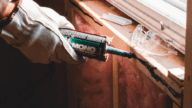
“If you’re not willing to do the $5 caulk job, or buy a $20 gallon of paint to fix flaking paint, then what other maintenance items aren’t you addressing?” Pappalardo asks. “So, repair the caulk around the tubs, fix flaking paint, [and] make sure every window works properly. There [are] so many little things you can fix.”
Create a daily, weekly, monthly, and seasonal checklist of maintenance and repairs you should keep on top of.
Repair the apparent things. Remember, in many states, the seller must legally disclose defects. By fixing some of the smaller things, you reduce the length of that list.
“The more of those things you do up front, the less it will cost you. If you address them yourself or hire a handyman, it will be far less expensive than when the buyer demands that a contractor do the repairs,” Pappalardo says.
If there are major repairs you can’t afford to fix or don’t want to manage, you can always sell your home “as-is” through a Realtor or to a cash buyer.

At the same time, know what not to fix when selling a house. Many projects provide only little return on investment (ROI). Prioritize practical fixes that improve the home’s condition rather than spending on expensive upgrades buyers may not value.
There’s no need to fix every imperfection, especially when certain drawbacks, like the location, limited parking, or a power line on the property, can’t be changed. Instead, focus your budget on improvements that are most likely to pay off.
A few things not to waste time and money fixing include:
- Minor electrical issues
- Small driveway cracks
- Old appliances
- Removable items, such as window treatments
- Cosmetic items, like floor scratches
7. Skip unnecessary home improvements
Similar to repairs, not all upgrades are worth the investment. For example, a mid-range primary suite addition only recovers only 32% of the costs. It’s hard to predict what buyers want for these special areas in the house. Your remodeling project may be appealing to some or turn off others, so it’s wiser to leave them as they are.
Sometimes your renovation can go too far. You never want to own the most expensive house on the block or “over-improve” for your neighborhood because some of the big upgrades may not be worth the investment. A major, high-end kitchen and upscale bathroom addition only recoup around 36% of the costs.
Remember that personal preferences vary, so choose improvements that appeal to the broadest base of buyers.
8. Apply inexpensive upgrades
While some home improvement projects aren’t worth the cost, others can help boost your home’s value and get you a higher sale price.
Buyers like having options, and making the most of your home’s space can make it more appealing. This is what you should focus on when planning home upgrades.
Features like built-in storage, a finished basement, or turning an unused area into a functional space can make the home feel more practical and give buyers more ways to picture themselves using it. According to surveyed agents, a garage or extra storage space, a bonus room, and a dedicated workspace are among the top features helping homes sell in 2026, right after being move-in ready.
The kitchen is also one of the most essential spaces for buyers, so updating cabinets or countertops could bring a worthwhile ROI. Bathroom renovations are often a hit with buyers, reaping about 72.7% ROI. Consider a green bathroom renovation that focuses on sustainability, using eco-friendly materials, low-flow fixtures, and energy-efficient lighting.
If you’re planning structural renovations, be sure to acquire all necessary permits. Selling a home with unpermitted work creates several challenges, such as affecting the buyer’s ability to finance the purchase.
Some upgrades can be done for a little more than a repair, but will add a fresh look. For example, install new shower and sink faucets in a modern brushed nickel finish to solve the leak problem and add dollars to your home’s value at the same time.
Repainting your home is always an inexpensive and simple way to change its look and improve its value. We’ll provide more paint ideas below.

9. Consider a pre-listing home inspection
A home inspection can help you identify which repairs or upgrades are worth taking care of before listing your house. It can also give you a heads-up about issues that could come up later and potentially delay the sale. Buyers may use these findings to negotiate a lower sale price or repair credits, so it’s better to know about potential problems upfront. You don’t want those surprises to derail your sale.
To get ahead of them, consider having a pre-listing home inspection.
A pre-listing inspection works much like a standard home inspection: it evaluates the house’s condition and identifies potential problems that may need to be repaired. During the assessment, a home inspector performs a visual inspection and reports on any health, safety, or mechanical issues that don’t meet your state’s standards.
Common concerns include water damage, an old roof, electrical problems, and foundation issues that could affect the home’s long-term condition. Don’t take it personally, but an inspector will always find things wrong with a house. It’s up to the seller whether to fix them.
For the best results, make sure the inspector can access every part of the home, including the attic, crawlspace, and garage, as well as key features like the electrical panel.
»Learn more: What could a buyer’s inspection reveal that makes them hesitate? Find out with the Buyer Fear Finder Widget, which highlights potential home issues that could turn buyer interest into cold feet.
A pre-listing home inspection costs between $296 and $424. The exact cost will depend on the home’s location, size, type, and the inspector’s certification and experience. If you know you have unfinished maintenance issues or want to sell your home quickly, a pre-listing inspection may be worth the cost.


10. Follow a home appraisal checklist
Some home upgrades and repairs may be necessary to meet the requirements of an appraisal. When an appraiser evaluates the property, they estimate your home’s current market value to help the buyer’s lender determine whether the property is worth the purchase price. Since lenders typically require an appraisal for mortgage loans, addressing major issues beforehand can help keep the sale on track.
In the case of FHA loans, appraisers are more meticulous, as they follow specific guidelines set by the Federal Housing Administration (FHA). It’s important that your home is prepared for an appraisal because appraisal issues can cause a postponed settlement. NAR reports that 6% of contracts in June 2026 were delayed due to appraisal issues.
Although an appraisal is supposed to consider more permanent aspects like location, property size, square footage, zoning, and materials, if your home is dirty or needs multiple repairs, it can affect the appraiser’s opinion.
To achieve an objective appraisal:
- Make sure your home is clean, inside and out.
- Address those minor repairs.
- Tidy up your yard and add curb appeal.
- Provide a list and receipts of recent improvements, upgrades, and repairs.
“If the house has flaky paint, missing railings, holes in the walls, or things of that nature, then it probably won’t get approved by an FHA appraiser,” Pappalardo explains. “For example, even if you disclosed that your home needs a new roof, they may demand a new roof be put on before approving that FHA loan.”
Following a home inspection or appraisal checklist may turn out to be one of the best actions you can take to avoid unexpected delays in your home sale journey.
11. Check your home’s estimated value
When you’re ready to list your home for sale, it can be helpful to have an accurate home valuation to set your expectations and the price right. Here’s how to get a clear estimate of what your home is really worth:
- A professional pre-appraisal. This could be particularly helpful if you have no idea what your home is worth or if you own a unique property that’s difficult to price. If you decide to get an appraisal before listing, remember that estimates can change along with market price fluctuations.
- A top real estate agent. An experienced agent familiar with your neighborhood will be able to give you a good idea of your home’s valuation based on a comparative market analysis (CMA). They can verify that opinion by checking recent comparable home sales, known in the real estate industry as “comps.”
- An online valuation tool. Online tools such as HomeLight’s Home Value Estimator can give you a ballpark idea of your home’s current worth. Input answers to simple questions about your home, and the tool applies its algorithms to estimate your home’s value. The process usually calculates a number within 90% to 95% of your home’s full market value.


12. Consider home staging
Staging can help your home make a stronger first impression and stand out to buyers. Nearly three in 10 (29%) real estate agents said staging helped their clients get offers that were 1% to 10% higher, while almost half (49%) said it helped homes sell faster, according to the National Association of Realtors (NAR).
Styling your home helps buyers visualize the property as their future residence. Plus, it emphasizes each room’s best features and makes spaces appear bigger or more functional. If you want to sell more quickly, staging is a game-changer for attracting serious buyers.
After decluttering and depersonalizing your home, you want to create a welcoming vibe that encourages buyers to picture their families enjoying the space. Try things like:
- Design a simple tablescape in the dining room.
- Update kitchen hardware.
- Clear off the counters.
- Add a few throw pillows, a colorful rug, and good lighting in the living room.
- Include a couple of plants for a biophilic design.
- Choose gender-neutral colors and decor for the primary bedroom, but give it a restful appeal.
- Turn your bathroom into a luxurious spa with simple touches, like thick towels and maybe some scented candles.
- Create alluring vignettes and focal points showing your home’s best features.
- Open the curtains to let the natural light in.
If budget is a concern, remember that less is more. Most importantly, if your home is spotless, decluttered, and depersonalized, it’s in good shape for showings.
13. Apply curb appeal landscaping hacks
Before you can get buyers inside to see your clean, staged home, you have to hook them with your dazzling curb appeal. The importance of a good home exterior cannot be understated: it draws in buyers, creates a great first impression, makes listing photos pop, and increases perceived value.
Kaminsky agrees. “I think presentation is critically important to increasing the speed of the sale and the price that the home will actually get.”
He suggests viewing your home from across the street and trying to look at it through the eyes of a buyer seeing it for the first time. “Walk up slowly to the home and look around. Notice the front door, knobs, cobwebs, and other things that you might normally ignore. It’s important to slow down and take a look.”
Curb appeal also affects a home’s online presence.
“It’s absolutely critical,” Kaminsky continues. “The first impression that anyone’s going to have is online. Ninety percent or more of buyers will see the home for sale on their cell phones. That’s what they’re looking at every day, so how it presents itself online is really going to impact how buyers react.”
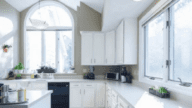

Follow these tips for improving your home’s curb appeal:
- Clean the exterior. Pressure-wash the house, sidewalks, patio, deck. For extreme dirt, you may want to use a plant-safe cleaning solution. For the windows, attach an exterior window cleaner to your garden hose.
- Once everything is spotless, illuminate it. Light the way with solar or low-voltage lights along the driveway and sidewalks. Place solar-powered spotlights in the flower beds, aimed at the sidewalk to guide guests to the entrance. Use spotlights to highlight your home’s architecture or add hard-wired uplighting to draw attention to a specimen tree.
- Tidy up the yard. Mow the grass. Spruce up the flower beds with some pretty flowers and add fresh mulch. Trim shrubs and, if possible, plant a tree.
- Remember the little things buyers will notice. How about a new doormat? Or maybe add a yard ornament. Include a few accessories that match your home’s style. Choose any number of DIY projects to enhance your entryway.
If your budget permits, a fresh coat of paint never hurts, even if it’s just on the front or garage door.
If your thumbs aren’t green, hire a landscaping service. A well-kept lawn can increase the value of your home. Basic mowing, trimming, and edging only costs $50 to $200, depending on where you live and the size of your yard.
14. Paint with prudence
Believe it or not, most homebuying decisions are influenced by colors, as they affect people’s moods and reactions. A fresh coat of paint in neutral or light tones can help modernize the home’s appearance and appeal to a wider range of buyers. It can make your home look new and more appealing for showings. With neutrals, spaces feel cleaner, brighter, cohesive, and more inviting, which can support a faster and more successful sale.
Painting the exterior of your home costs an average of $3,177, depending on where you live and the home’s condition. And it typically boosts a home’s market value by around 2% to 5%.
Meanwhile, repainting interior walls can boost your home’s value by around 5%. For a $400,000 home, that’s an increase of about $20,000. Since repainting typically costs far less, it can yield an impressive ROI.
If your home’s paint is flaking or faded, or the color is dated, consider painting before you list it.


What if I want to skip the hassle of selling a home traditionally?
If all the prep work, showings, repairs, and back-and-forth of a traditional home sale sounds like too much, you have other options. One of the simplest is selling your home directly to a cash buyer, which can help you skip many of the steps involved in a traditional sale.
Depending on the buyer and your situation, you may be able to sell the house as-is, avoid staging and showings, and choose a closing timeline that works for you. Just be sure to compare your options, understand the offer, and work with a reputable buyer before signing anything.
HomeLight’s Simple Sale can connect you with a vetted cash buyer and help you get a cash offer within 24 hours. You can sell your home as-is without repairs or showings and, depending on the buyer, close in as little as seven days. It’s a convenient option if you want to skip the traditional selling process and get to the closing table faster. Learn more about Simple Sale.
Get a Free Home Value Estimate
Enter a few details about your home, and we’ll provide you with a preliminary estimate of value in less than two minutes. This won’t replace a comparative market analysis (CMA) or home appraisal, but it can be a helpful starting point.
Ready, set, sell
As Ben Franklin once said, “By failing to prepare, you are preparing to fail.” Getting your house ready for sale takes some work, but by following our checklist, you should be able to complete most of the work in three weeks or less.
Or, take some of our tips and create your own list tailored to your home. Don’t forget the basics:
- Clean
- Deodorize
- Declutter
- Fix
- Upgrade
- Stage
- Inspect
Preparing your home for sale by following these suggestions will help you sell it faster and for more money.
As always, rely on advice from your real estate agent about which preparations, upgrades, and repairs will help sell your home quickly and for top dollar. If you haven’t found an agent yet, use the HomeLight Agent Match tool. It takes just two minutes to match with the best real estate agents in your area who can guide you through the process.
Frequently asked questions (FAQs) about selling a home
The devil is in the details. Once you’ve gone through our checklist, look for little things that pack a big punch. Clean or replace your mailbox. Remove old storm doors. Tidy up drawers, closets, and other “hidden” spaces you don’t think buyers will look in, because they will.
The front entry should be welcoming but uncluttered. Replace lightbulbs. Add a statement door. Get some funky new house numbers and put a tasteful planter box on your front porch. As we noted above, place a new doormat by your front door.
Almost all buyers start their home search by browsing properties online, so good photos are critical. That’s why you want to rely on professional listing photos. An expert will get the angle and the lighting just right. They’ll use a wide-angle lens and a tripod for the best results.
They have a keen eye for composition and ensure that vertical lines in photos are perfectly straight for a polished, professional look. Professionals can also edit their images to correct any misleading or unfair imperfections.
When selling your house yourself, you’ll need key documents like the sales contract, property deed, title report, and disclosure forms. Depending on your state, additional paperwork may be required. It’s best to consult a real estate attorney to ensure all legal requirements are met. Check out this guide to see other documents you must prepare.
When selling a house, you must typically leave anything considered a fixture, meaning items permanently attached to the property. This includes built-in appliances, lighting, cabinets, and window treatments. Outdoor features like fences and mailboxes usually stay as well. Always check your contract and state laws for specific requirements.
A seller’s agent charges a commission of 2% to 3% of the home’s sale price. The exact cost depends on location, agent experience, and services provided. Some agents offer lower commissions or flat-fee services, so it’s worth comparing options to save on costs.
To sell your house without a realtor, determine a fair price through HomeLight’s Home Value Estimator, market research, or an appraisal. List your home online, handle showings, and negotiate directly with buyers.
You’ll also need to manage legal paperwork, disclosures, and closing procedures. Hiring a real estate attorney when choosing the FSBO route can help ensure a smooth transaction.
Writer Christine Bartsch contributed to this story.
Header Image Source: (Grant Durr / Unsplash)
The first version of this post was originally published on
At HomeLight, our vision is a world where every real estate transaction is simple, certain, and satisfying. Therefore, we promote strict editorial integrity in each of our posts.