
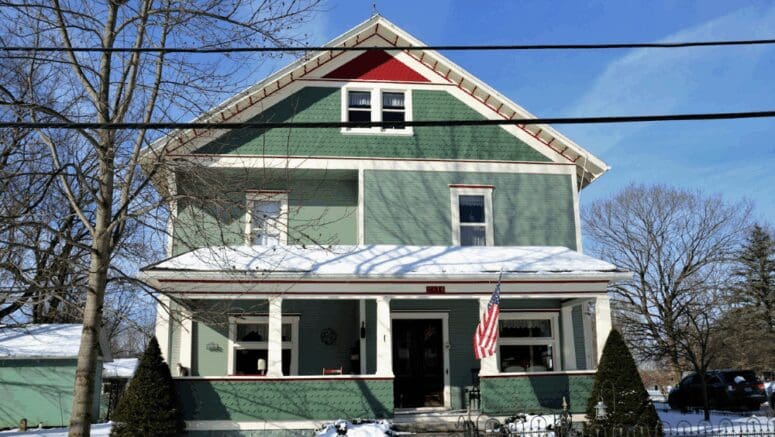
Selling a House ‘As Is’ in Philadelphia
- Published on
- 15 min read
-
 Cheyenne Wiseman Associate EditorClose
Cheyenne Wiseman Associate Editor
Cheyenne Wiseman Associate EditorClose
Cheyenne Wiseman Associate EditorCheyenne Wiseman is an Associate Editor at HomeLight.com. Previously, she worked as a writer for Static Media (Mashed.com and Chowhound.com) and as an editor for CBR.com. Cheyenne holds a bachelor’s degree in English from UC Davis, where she also founded and led a literary magazine called Open Ceilings. She has four years of experience writing and editing on topics including real estate, financial advising, and pharmaceuticals.
Thinking about selling a house “as is” in Philadelphia? If you’re dealing with a fixer-upper or an inherited property, you may be hoping to avoid repairs, secure a reasonable price, and move forward without delays.
“The main reason we’re seeing people sell ‘as is’ is financial constraints; it’s not cheap to do renovations anymore,” says William Holder, a top-performing Philly real estate agent.
While this may be the case, it’s important to know that as-is sales can come with tradeoffs. Offers may be lower, and buyers can still try to negotiate after inspections. Below, we’ll walk through how selling a house “as is” works in Philadelphia, the different ways you can receive an offer, and what the process typically looks like from start to finish.

Need Help Buying or Selling Your Pennsylvania Home?
Need help selling your home? Partner with a trusted, top agent in your Pennsylvania market. We analyze over 27 million transactions and thousands of reviews to find you the best agent for your unique situation.
Fast facts about selling a house ‘as is’ in Philadelphia
| Median sales price in Philadelphia | $359,950 |
| Average days on market (DOM) for Philadelphia | 65 days |
| Disclosures | Philadelphia law requires sellers to disclose material facts about the property through the Seller’s Property Disclosure Statement |
| MLS has a field to mark a listing “as is”? | No |
| Is a real estate attorney required? | Real estate attorneys are not considered essential for closing in the state of Pennsylvania |
| Real estate transfer taxes? | 3.278% of the sale price |
What is as-is condition in real estate?
In real estate, an as-is sale means the seller does not plan to make updates or repairs to the property before closing. By listing a home “as is,” the seller signals that they won’t agree to repair requests or offer credits for fixes that come up during inspections.
This type of sale can also suggest that certain features of the home — such as aging appliances or an older roof — may not perform long-term as a buyer might expect. In most cases, the home’s overall condition is reflected in the asking price based on what the seller knows at the time of sale.
Which types of homes are sold ‘as is’?
Homes listed “as is” typically need repairs, updates, or cosmetic improvements. It’s a label most often used for properties that aren’t move-in ready rather than those in polished condition.
As-is listings tend to attract investors looking for renovation opportunities or buyers hoping to purchase a home with potential at a lower price, especially in sought-after Philadelphia neighborhoods.
“If you’re selling ‘as is,’ just know your target demographic is going to be investors, and investors are going to be looking for a deal. That’s not always a bad thing because you might not have the money or means to fix up the property,” says Holder.
What problems do you have to disclose in Philadelphia?
Selling a house “as is” in Philadelphia doesn’t remove the responsibility to disclose known issues with the property.
Sellers should complete the Seller’s Property Disclosure Statement before listing the home or requesting offers. Pennsylvania law requires this disclosure to be provided before an agreement of sale is signed.
The form guides sellers through reporting what they know about the property’s condition and includes sections covering various systems and features of the home, including:
- Roof condition
- Attic condition
- Basements and crawl spaces
- Presence of termites and other pests
- Structural issues
- Water supply
- Sewage system
- Plumbing
- HVAC
No matter how you choose to sell your home, it’s required to make these disclosures to the best of your ability.
“Disclosure is there to protect you as the seller, not harm you. A lot of sellers think they can overlook things and get away with it, but they should put it in the disclosure so there’s no worry about having to get away with anything,” Holder advises.
He adds that basement moisture is pretty common in Philly, and even something small, like dampness in one corner, is still worth disclosing if you’ve ever noticed it. “If you don’t and the buyer moves in and finishes the basement — or if it’s already finished — and a big storm causes water damage or mold, they’ll ask if the previous seller disclosed this. If there’s any record that you knew about it, you could get a call or letter from an attorney.”
In Pennsylvania, there are certain situations where sellers aren’t required to complete a property disclosure. These exceptions generally apply to special transfers — such as court-ordered sales, foreclosures, estate or trust sales, transfers between family members or co-owners, vacant land, properties slated for demolition, and brand-new homes that have never been lived in.
Review your options to sell ‘as is’ in Philadelphia
The main options for selling a house ‘as is’ in Philadelphia include:
List ‘as is’ with the help of a real estate agent
A skilled Philly real estate agent can guide you through the process of listing and selling a home “as is.” An agent can offer simple presentation advice to strengthen marketing, help price the home to reflect its condition, and work to attract buyers who are comfortable purchasing the property exactly as it stands.
Sell directly to a cash buyer
Homeowners who need to sell a property “as is” can also work directly with a property investor or house-buying company instead of listing on the open market, where buyer interest may be limited.
We Buy Houses companies purchase homes “as is,” typically at a discounted price, and often target properties that need major repairs. In return, sellers can move quickly, and many of these buyers cover closing costs.
Steps to list ‘as is’ with the help of a real estate agent
Find an agent willing to list the home ‘as is’
Choosing the right real estate agent matters in any sale, but it’s especially important when selling a home “as is.” Look for an agent who’s comfortable working with properties that need some attention and who may have established relationships with investors or renovation-focused buyers.
Strong marketing is just as important. Since most buyers prefer move-in-ready homes, an as-is listing typically attracts a smaller audience, making thoughtful pricing, positioning, and promotion even more important.
Consider a pre-listing inspection
A pre-listing inspection works the same as a standard inspection, except the seller orders and pays for it before putting the home on the market. While it may seem unnecessary for an as-is sale, having inspection results upfront can clarify issues that affect value and inform a realistic price. If a buyer later pushes for a price reduction, you can point out that known repair costs were already factored into the list price.
Price to reflect ‘as is’ condition
The median sale price for homes in Philadelphia hit $359,950 in December 2025, a 2.7% decrease from the year prior.
“Historically, given the amount of data we have, we can see trends,” says Holder. “The data usually shows that homes priced slightly below market sell significantly quicker and closer to market value, while homes that start above market value sit longer and often end up selling for less than market value.”
Not sure where to start? Try a free estimate from HomeLight’s Home Value Estimator (HVE).
Our HVE combs public data, including tax records and assessments, and pulls recent sales records for other properties in your area. Using a short questionnaire, we also factor in details about your home, such as the property type and its condition. Input your address, and we’ll provide you with a preliminary home value estimate in under two minutes.
What is Your Philadelphia Home Worth?
Enter your address and get a preliminary estimate of home value in under two minutes.
Do ever-so-light preparations
Even for as-is home listings in Philadelphia, Holder typically recommends that sellers complete the following:
- Prioritize low-cost fixes: New paint and cleaned or replaced carpet often deliver the best value.
- Improve visual appeal: Worn floors and dirty walls can hurt buyer perception, even online.
- Boost buyer interest: A cleaner look can bring in more buyers, even for an as-is sale.
“A fresh look doesn’t solve major issues like an old heater, dated electrical, or plumbing problems, but it does get more buyers in the door, which increases the likelihood of your home selling,” says Holder.
Photograph to show potential
Even for an as-is sale, professional photography matters. A skilled photographer knows how to capture each room from its best angle, balance interior and natural light, and edit photos for clear brightness and exposure.
Using a wide-angle lens also helps show full rooms rather than cramped partial views. Homes marketed with professional photos can earn significantly higher asking prices per square foot than those without, and in most cases, your real estate agent will arrange this as part of the listing.
Highlight the surrounding area
A home’s location will be important to buyers seeking out a home with potential. Mention in your as-is listing if your home is close to any of the following:
- Downtown areas
- Major employers
- Parks and green spaces
- Sports venues and entertainment districts
- Riverfront views or access
- Highly rated schools
- Access to outdoor activities
- Public transportation
Include ‘as is’ in the listing
Unless you specifically mention that your house is being sold “as is,” buyers will have no idea of your intentions with the listing. Other common descriptors mentioned in as-is listings in Philadelphia include priced to sell, fixer-upper, handyman special, or a “call for investors.”
To keep your listing upbeat, work with your agent to write a description that emphasizes the home’s strongest features and potential.
Understand buyers may still negotiate
Listing a home “as is” doesn’t stop buyers from trying to negotiate, even if you’ve already priced the home to reflect its condition. That’s where a strong agent can make a difference — someone who’s willing to hold firm, push back on unreasonable requests, and keep the deal on track for the seller.
Be aware of minimum property standards for certain loans
When you list your home, it’s impossible to know whether your best offer will come from a cash buyer or someone using financing.
If you do accept a financed offer, keep in mind that different loan types — including conventional loans and government-backed options like FHA, USDA, or VA loans — come with minimum property standards tied to a home’s overall condition. These standards can affect whether a lender is willing or able to approve the buyer’s loan.
To move forward with financing, a state-licensed, independent appraiser hired by the buyer’s lender reviews the home’s value and condition. If you’re unsure whether your property will meet appraisal requirements, reviewing FHA minimum property standards can be a helpful benchmark, since FHA guidelines tend to be among the most strict.
Prioritize a cash offer if you receive one
While some lenders will finance fixer-uppers sold “as is,” financing becomes more challenging as repair needs increase. If you receive a cash offer — especially for a home that needs significant work — it may be worth serious consideration. Cash eliminates lender appraisals and loan timelines, offering a faster, more predictable path to closing.
Pros of listing a home ‘as is’ in Philly:
- Save time and money on prepwork
- Possibility of reducing negotiations from the inspection
- Solution for out-of-state owners and inherited homes
Cons of listing a home ‘as is’ in Philly:
- Limited buyer pool
- Expect lower offers
- Negotiations and repairs aren’t always off the table
Steps to sell directly to a cash buyer
Now that we’ve covered the general process of selling a house “as is” in Philadelphia, let’s consider an alternative: working with an investor. While the process varies from business to business, the steps to selling your home to a house-buying company typically go something like this:
- Decision: A homeowner decides a traditional listing isn’t for them. Maybe their house needs a lot of work, or they don’t want to host showings or open houses. They’re worried it may be difficult to find a buyer willing to purchase their home “as is.”
- Contact: A seller contacts a cash-buying company in their area and provides basic information about their property.
- Initial offer: At this stage, some cash-for-homes companies will provide a preliminary offer, though this is subject to change after a house assessment.
- Assessment: The company schedules a walkthrough of the property to evaluate its condition, usually within 24 to 48 hours.
- Firm offer: The company makes a firm offer (usually within 24 hours, sometimes on-site after the walkthrough), which you can accept or decline. Most of these companies will not negotiate on price, so the offer is a take-it-or-leave-it scenario.
- Closing: If you accept the offer, you and the company will each sign the contract, and closing begins. Some companies offer a large deposit or moving cost assistance, and a few may even pay for the home upfront.
- Payment: The seller receives payment quickly, typically within 7 days to a few weeks. While every company is different, many allow sellers to choose their move-out date.
If you aren’t sure where to get a cash offer, consider Simple Sale, a solution from HomeLight. With Simple Sale, you share some basic details about your home, such as whether it’s a single-family or condo, and how much work it needs. From there, we’ll provide you with a full cash offer to buy your home in as little as a week.
Skip repairs
There’s no need to schedule inspections or spend money replacing major systems like the roof or HVAC. HomeLight can make an offer on homes in nearly any condition.
Sell when it’s convenient
Need to move quickly, or want a little extra time to pack? You choose a move-out date that fits your timeline, with flexibility within 30 days of closing.
Close with certainty
Cash buyers don’t rely on mortgage approvals, which helps avoid common delays. With Simple Sale, you can close in as little as 7 days — compared with 30 to 60 days or more for a financed sale.
Want a closer look at the Simple Sale experience? Hear directly from one of our clients in the video below:
Additional We Buy Houses companies in Philadelphia
Below, we’ve compiled a list of leading companies that purchase homes “as is” for cash in Philadelphia, along with information about each:
We Buy Houses Philadelphia
Founded in 1997, WeBuyHouses.com has been purchasing homes, condos, and other property types nationwide for decades. The company reports helping more than one million homeowners complete fast, all-cash sales, making it a practical option for sellers dealing with tight timelines, financial challenges, foreclosure concerns, or inherited properties.
Locations: Nationwide, including Philadelphia.
Closing costs: Sellers pay no closing costs; We Buy Houses covers them.
WeBuyHouses.com is BBB-accredited with an A+ rating. The Philadelphia location has 5 out of 5 stars on Google, based on over 50 reviews.
Website: philadelphia.webuyhouses.com
Phone: 215-709-7947
We Buy Any Philly Home
We Buy Any Philly Home is a local Philadelphia-based cash buyer that purchases properties in any condition across the city and throughout Pennsylvania. They offer fast, fair all-cash offers with no repairs, commissions, or bank delays. Known for hands-on support, the team works with homeowners facing foreclosure, inherited properties, tenant issues, or tight timelines to create low-stress solutions.
Locations: Throughout Philadelphia.
Closing costs: Sellers pay no closing costs; We Buy Any Philly Home covers them.
We Buy Any Philly Home is BBB-accredited with an A+ rating, and on Google, it has 5.0 stars, based on 120 reviews.
Website: webuyanyphillyhome.com
Phone: 267-780-9049
Philly Home Investor
Philly Home Investor is a locally owned, family-run cash buyer serving Philadelphia and communities across Pennsylvania. They purchase homes directly from homeowners in any condition, with no agents, fees, or commissions involved. Known for integrity, honesty, and transparency, the team offers fair cash offers and a fast, low-stress selling experience tailored to each seller’s situation.
Locations: Throughout Philadelphia.
Closing costs: Sellers pay no closing costs; Philly Home Investor covers them.
Philly Home Investor has a strong online presence with a 4.8-star Google rating, based on over 60 reviews. The company is not listed with the Better Business Bureau.
Website: www.phillyhomeinvestor.com
Phone: 215-804-9105
Pros of selling ‘as is’ to an investor in Philly:
- Save money on home preparations.
- Sell fast. Receive an offer in as little as a few days, and close as quickly as one to two weeks later.
- Skip repairs. Most house-buying companies purchase properties in as-is condition, even those that need major repairs.
- No staging. No repeated showings. No open houses.
- Have a flexible move-out date.
Cons of selling ‘as is’ to a Philly investor:
- Offers are likely to be much lower. Investors and house-buying groups typically pay around 70% of what they estimate to be the home’s after-repair value.
- Sellers generally have little room to negotiate, as most cash offers are “take it or leave it.”
- While many home-buying companies are legitimate, some are not. It’s always a good idea to be vigilant about potential scams.
How much will you make from an as-is home sale?
There’s no one-size-fits-all formula for estimating what you’ll walk away with from an as-is sale. If you list with an agent, you’ll need to factor in Realtor commissions and standard closing costs, such as title fees and taxes. In return, listing on the open market can bring stronger offers and more buyer competition.
Cash buyers and investors calculate offers differently based on their plans for the property. Fix-and-flip investors often aim to pay about 70% of a home’s after-repair value, while buy-and-hold investors who plan to rent may offer more. Many investors also cover seller closing costs, which can add up to roughly 1% to 3% of the sale price.
HomeLight’s Net Proceeds Calculator can help you compare scenarios and estimate your take-home pay.
Ready to sell your house in Philadelphia?
Every sale is unique, but you should now have a clearer picture of how selling a house “as is” works in Philadelphia. From here, you can decide which approach best fits your goals and timeline.
Whether you choose to list “as is” with an agent or sell directly to a cash buyer, a home doesn’t need to be perfect to sell. With the right pricing, proper disclosures, and clear expectations, you can move forward confidently. When you’re ready, HomeLight can help you connect with a top local agent or get started with a cash offer through Simple Sale.
Header Image Source: (Roger Starnes Sr / Unsplash)
At HomeLight, our vision is a world where every real estate transaction is simple, certain, and satisfying. Therefore, we promote strict editorial integrity in each of our posts.